

KEY POINTS
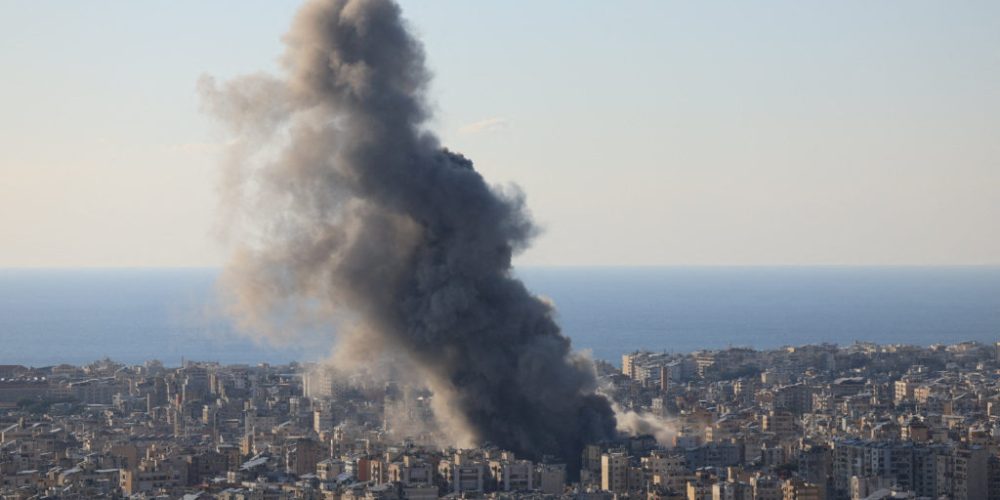
- Israel launched a widespread wave of airstrikes targeting government and security hubs in Tehran, including the presidential office.
- The US Navy confirmed a submarine torpedoed and sank the Iranian warship Iris Dena near Sri Lanka, leaving over 100 missing.
- Iran officially postponed the state funeral for the late Supreme Leader Ali Khamenei as clerics debate a possible successor.
The joint military offensive against Iran by the United States and Israel entered its fifth day on Wednesday with significant escalations across the Middle East. Israel announced a broad wave of fresh airstrikes hitting critical security and government infrastructure within the heart of Tehran. Witnesses reported massive explosions near the presidential office and various Revolutionary Guard headquarters throughout the morning hours. This latest round of bombardment aims to further degrade the command-and-control capabilities of the Iranian regime.
The naval theater of the conflict saw a dramatic development as the US military confirmed the destruction of an Iranian vessel in the Indian Ocean. A US submarine fired torpedoes at the Iris Dena, one of Iran’s newest warships, off the southern coast of Sri Lanka. US Defense Secretary Pete Hegseth declared that the Iranian navy has been effectively decimated during the first week of combat. Rescue teams from Sri Lanka have pulled 32 survivors from the water, but nearly 150 sailors remain missing at sea.
Inside Iran, the political landscape remains in a state of flux following the death of Supreme Leader Ayatollah Ali Khamenei. State media announced that his scheduled funeral ceremony has been postponed indefinitely due to overwhelming demand for infrastructure and security. Meanwhile, high-level clerics are reportedly meeting to finalize the appointment of a successor. Mojtaba Khamenei, the son of the late leader, has emerged as the leading candidate to take over the supreme authority.
The regional scope of the war continued to broaden as Iran-backed forces intensified their own retaliatory measures. Hezbollah launched precision missile strikes at northern Israel, prompting a heavy Israeli ground and air response in southern Lebanon. The Israel Defense Forces issued urgent evacuation orders for several Lebanese border towns, signaling a deepening ground incursion. Additionally, NATO air defense systems intercepted an Iranian ballistic missile that had veered toward Turkish airspace earlier in the day.
Global markets are reeling from the sustained disruption of energy exports and commercial travel routes. The effective closure of the Strait of Hormuz has forced oil and natural gas production to a standstill in several neighboring Gulf countries. Stock exchanges in Asia and Europe faced sharp declines as investors prepared for a prolonged period of regional instability. US President Donald Trump indicated that the military could begin escorting commercial tankers if the blockade persists through the weekend.
The civilian toll of the five-day conflict continues to mount as infrastructure damage spreads to residential areas. Iranian officials now estimate that over 1,000 people have been killed since the initial strikes began on Saturday. International organizations are expressing deep concern over reports of strikes hitting schools and airports during nighttime operations. Despite these concerns, the coalition maintains that the mission will continue until its strategic goals are fully met.









