

KEY POINTS
- The United States launched a series of precision military strikes aimed at dismantling Tehran’s ballistic missile and nuclear infrastructure.
- Official statements characterize the operation as a preventative measure to stop the development of long-range weaponry capable of reaching Western targets.
- Military commanders report that the initial wave of aerial attacks successfully hit high-priority technical facilities and storage depots.
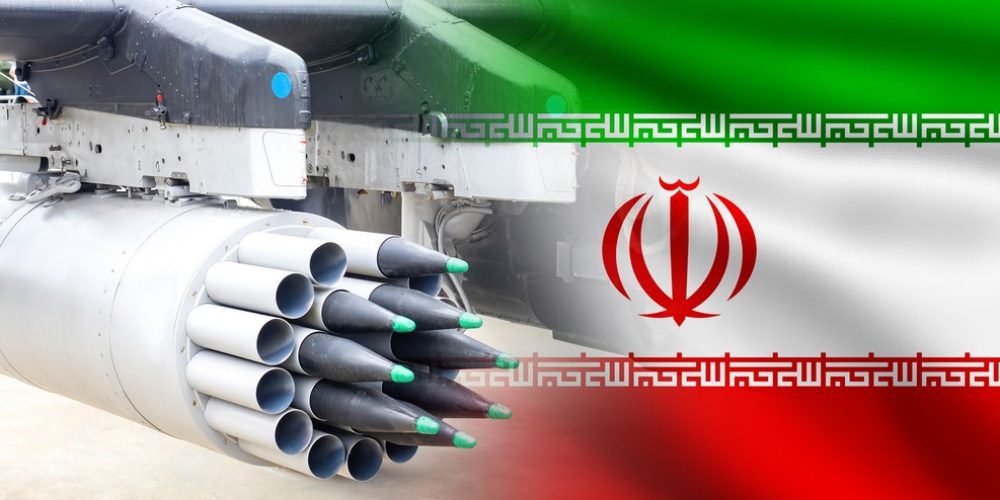
The White House confirmed on Monday that the United States military has initiated a broad campaign of air strikes against several strategic locations within Iran. This military action represents a significant escalation in regional tensions, following months of deteriorating diplomatic relations and intelligence reports regarding rapid advancements in Iranian weapons technology. The administration stated that the primary objective is to permanently disable the country’s ability to produce and deploy advanced ballistic missiles.
In a public address detailing the operation, leadership emphasized that the strikes were a necessary response to an imminent threat. Officials argued that allowing the current weapons programs to continue would have eventually put American soil and international allies at risk of a missile strike. The decision to use force follows a period of intense internal debate regarding the best method to curb regional aggression and nuclear proliferation.
Military reports indicate that the operation utilized a combination of long-range bombers and carrier-based aircraft to strike hardened targets. These sites included research laboratories, manufacturing plants, and underground silos located deep within Iranian territory. Early assessments suggest that the strikes were highly accurate, minimizing collateral damage while maximizing the destruction of technical equipment essential for missile guidance and propulsion.
The timing of the strikes coincided with reports from international observers suggesting that Tehran was on the verge of a technical breakthrough in its nuclear program. By targeting the facilities now, the administration hopes to set back the Iranian military’s capabilities by several years. This proactive stance marks a shift in policy, moving away from economic sanctions toward direct kinetic intervention to achieve security goals.
International reaction to the strikes has been swift and varied. Several European allies expressed concern over the potential for a wider regional war, while some regional partners in the Middle East offered quiet support for the effort to rebalance power. Meanwhile, Iranian officials have vowed to retaliate, leading to increased security measures at American embassies and military bases across the globe.
Despite the intensity of the initial bombardment, the administration has signaled that this is a targeted campaign rather than the start of a regime-change effort. The stated goal remains focused on the specific “red line” of long-range missile development. However, military analysts warn that the situation remains fluid and that further waves of strikes may be necessary if the initial objectives are not fully met.
The economic impact of the military action was felt immediately in global markets, with energy prices fluctuating as traders assessed the risk to oil supplies in the Persian Gulf. Shipping lanes in the region are currently under heavy surveillance to prevent any disruption to international trade. As the situation develops, the focus remains on whether these strikes will successfully deter future aggression or ignite a larger, more complex conflict.









