

KEY POINTS
- Federal Reserve Bank of New York President John Williams stated that interest rate cuts remain a possibility for 2026, depending on inflation data.
- Despite rising geopolitical tensions, Williams focused his remarks on domestic economic stability and the “last mile” of bringing inflation down to the 2% target.
- The Fed official notably declined to comment on the direct economic impacts of the ongoing conflict in Iran, maintaining a strictly data-dependent stance.
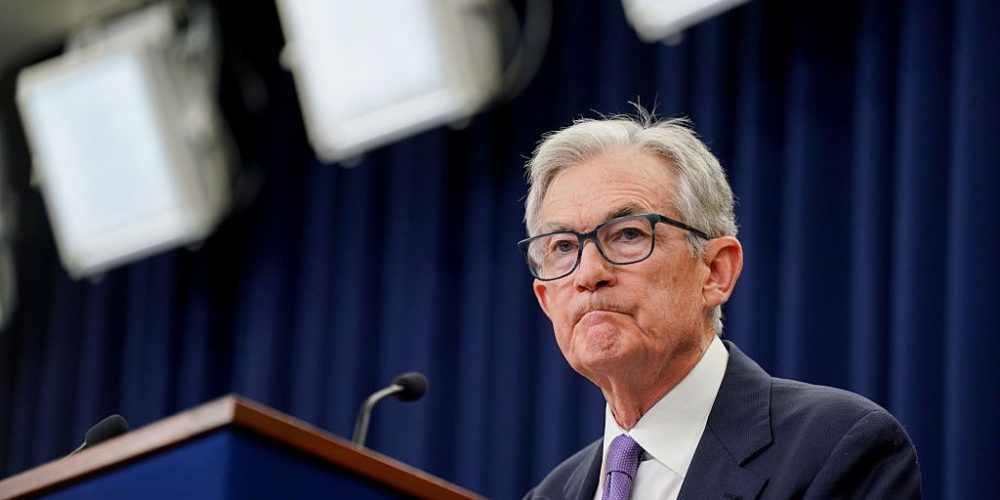
Federal Reserve Bank of New York President John Williams has signaled that the path toward lower interest rates remains open, though the timing is strictly tethered to incoming economic data. Speaking at a financial forum on March 3, 2026, Williams emphasized that while the U.S. economy has shown remarkable resilience, the Federal Reserve still needs more evidence that inflation is sustainably returning to its 2% long-term goal. His comments come at a delicate time for global markets, as investors look for clarity amidst fluctuating energy prices and shifting labor market dynamics.
A significant portion of the discourse surrounding the Fed’s current policy involves the geopolitical landscape. However, Williams was intentional in his avoidance of the escalating conflict in Iran. While market analysts have expressed concern that the war could trigger a new wave of supply chain disruptions and energy-led inflation, Williams chose to focus on internal indicators. He suggested that the Fed’s current restrictive stance is performing its intended function of cooling the economy without triggering a major downturn, and he remains optimistic about a “soft landing” for the U.S. economy.
The labor market continues to be a focal point for the Federal Reserve’s decision-making process. Williams noted that while job growth has moderated, it remains strong enough to support consumer spending, which in turn complicates the fight against inflation. The “last mile” of disinflation—moving from 3% toward the 2% target—is often cited by officials as the most difficult phase of the cycle. Williams’ remarks suggest that the central bank is prepared to hold rates at their current levels for longer than the market initially anticipated if price pressures do not continue their downward trend.
Investors had been looking for clues on whether the Fed would adjust its strategy in light of the Iranian war’s potential to spike oil prices. Williams’ silence on the matter indicates a desire to keep monetary policy insulated from volatile geopolitical events until their impact is clearly visible in domestic economic reports. This “wait-and-see” approach reinforces the Fed’s commitment to being data-dependent rather than reactive to headlines. By maintaining this neutrality, Williams aims to prevent unnecessary market volatility that could stem from speculative commentary on international crises.
The reaction from financial markets to Williams’ speech was relatively muted, as his stance aligned with recent messaging from other Fed governors. The consensus within the central bank appears to be one of cautious optimism tempered by a refusal to declare victory over inflation prematurely. As the 2026 fiscal year progresses, the focus will remain on monthly Consumer Price Index (CPI) releases and employment figures. Any significant deviation from the expected cooling of the economy could lead the Fed to delay rate cuts even further into the year or beyond.
Ultimately, Williams’ address underscores the primary mission of the New York Fed: maintaining price stability and maximum employment. While the world watches the developments in the Middle East with concern, the Federal Reserve remains fixated on the numbers. For businesses and consumers, this means that while the era of high interest rates may be nearing its end, the transition to a lower-rate environment will be a slow, calculated process dictated by the hard reality of economic statistics rather than the shifting winds of global politics.









