

KEY POINTS
- A 48-hour oatmeal-only diet reduced LDL cholesterol levels by approximately 10 percent in participants with metabolic syndrome.
- The cholesterol-lowering effects persisted for up to six weeks after the two-day intensive diet period ended.
- Scientists identified specific phenolic compounds produced by gut bacteria during oat digestion as the likely cause of the metabolic improvement.
Medical researchers have long known that oats are beneficial for heart health, but a new study published in Nature Communications suggests that a high-intensity “pulse” of oat consumption may be more effective than previously thought. The clinical trial focused on individuals with metabolic syndrome, a group often at higher risk for heart disease and diabetes. By subjecting volunteers to a strict 48-hour regimen of oatmeal, scientists were able to observe rapid and significant changes in their internal chemistry.
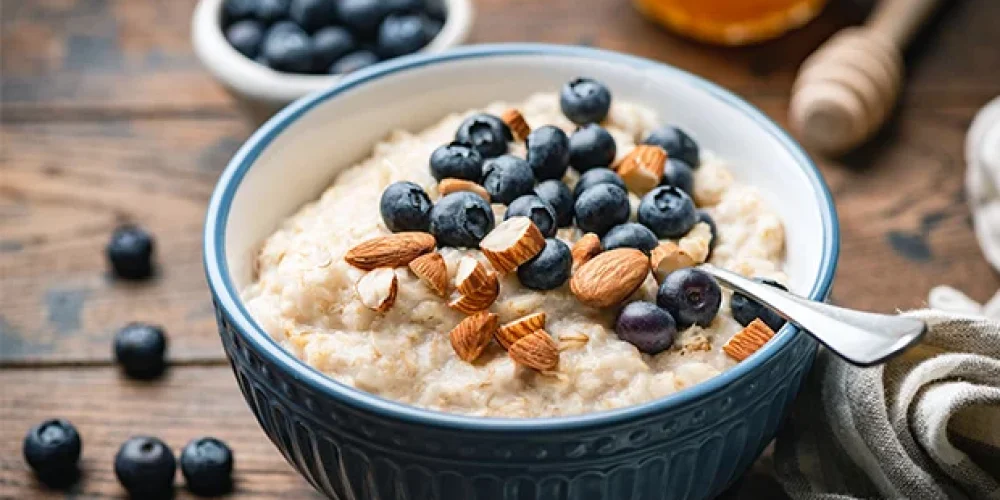
During the two-day trial, participants consumed 100 grams of rolled oat flakes boiled in water three times a day. To maintain the integrity of the study, no salt, sugar, or sweeteners were permitted, though small portions of specific fruits and vegetables were allowed. This calorie-restricted approach led to an immediate 8 percent drop in total cholesterol and a 10 percent reduction in low-density lipoprotein (LDL), commonly referred to as “bad” cholesterol. While these numbers do not quite match the potency of high-dose pharmaceutical statins, they represent a substantial non-medical intervention.
The most compelling aspect of the research is not the initial drop, but the underlying biological mechanism and the duration of the benefits. By analyzing blood and fecal samples, the team from the University of Bonn found that the intensive oat intake altered the gut microbiome. Specific bacteria thrived on the oats, producing metabolic byproducts like dihydroferulic acid. These compounds appear to influence how the body processes and stores cholesterol. Because these changes impacted the gut’s ecosystem, the LDL levels remained lower than baseline for a full six weeks after the participants returned to their normal diets.
Interestingly, the researchers also conducted a separate test where participants ate smaller amounts of oats daily for six weeks without other dietary restrictions. This more traditional approach did not produce the same dramatic or rapid results as the 48-hour intensive version. This suggests that “flooding” the system with oats for a short window may be necessary to jumpstart the specific bacterial activity required for a significant metabolic shift.
While the study was relatively small and focused on people with existing metabolic issues, the findings open a new door for preventative nutrition. Experts believe that a recurring, short-term oat diet could serve as a well-tolerated strategy for managing cholesterol levels without relying solely on medication. This could be particularly useful for those in the early stages of metabolic dysfunction who are looking for lifestyle-based solutions to avoid future health complications.
Further large-scale studies will be necessary to confirm if these results can be replicated across the general population. For now, the research provides a strong scientific basis for the humble oat’s reputation as a functional food. By understanding how specific fibers interact with our internal bacteria, scientists are closer to designing targeted dietary interventions that offer long-lasting protection against cardiovascular disease.









