

KEY POINTS
- An innovative metro station in China has replaced human maintenance staff with a fleet of autonomous robots.
- Robotic quadrupeds and aerial drones perform real-time security patrols and structural safety inspections.
- The pilot program aims to reduce operational costs while improving passenger safety through constant monitoring.
A metro station in China is testing a futuristic approach to public transportation management. The facility has integrated advanced robotics and drone technology to handle daily operations. This project marks a significant shift away from traditional manual maintenance and security staffing. Local officials believe this automation represents the next evolution of urban transit infrastructure.
The station utilizes specialized robot dogs to conduct regular floor patrols. These four-legged machines carry high-resolution sensors and thermal cameras. They can detect potential hazards such as suspicious packages or liquid spills. Because they move autonomously, they provide a constant presence that human guards cannot match. The robots also monitor passenger flow to prevent overcrowding in high-traffic areas.
While robot dogs handle the ground, aerial drones manage the station’s vertical infrastructure. These drones fly through tunnels and high ceilings to inspect structural integrity. They look for cracks in the concrete or signs of electrical wear in the power lines. Using AI, the drones identify maintenance issues before they cause service disruptions. This proactive system significantly reduces the time needed for manual engineering checks.
The entire robotic fleet connects to a centralized digital command center. This system uses artificial intelligence to coordinate movements and analyze incoming data. If a robot detects an emergency, the AI immediately alerts emergency services and station managers. This integration ensures a rapid response to any incident within the facility. The technology also optimizes energy usage by adjusting lighting based on real-time occupancy.
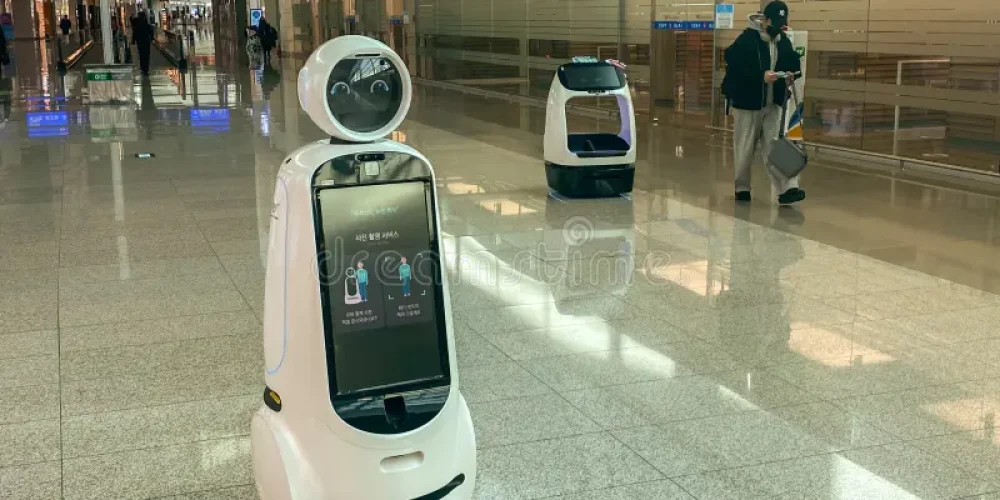
Public reaction to the mechanical staff has been a primary focus of the study. Most passengers reported feeling safe and intrigued by the high-tech environment. The robots are programmed to navigate around commuters without causing obstructions. Designers included friendly digital interfaces on the robots to help passengers with basic inquiries. This interaction helps bridge the gap between human users and automated systems.
Economic efficiency serves as a major driver for this technological transition. Maintaining a large metro network requires significant labor and financial resources. Automation allows transit authorities to reallocate human workers to more complex service roles. The long-term goal is to implement this model across major metropolitan areas in China. This could lead to lower ticket prices and more frequent train schedules.
However, the rollout has sparked discussions regarding the future of labor in the transport sector. Critics worry that widespread automation might lead to significant job losses for maintenance workers. Proponents argue that robots handle dangerous tasks that pose risks to human health. They believe technology creates new opportunities in the fields of robotics repair and software management.
The pilot program will continue for several months to gather more performance data. Engineers plan to refine the AI algorithms to handle even more complex station scenarios. If successful, this “smart station” model may soon appear in international cities. For now, this Chinese metro station remains a unique window into the future of global travel.









