

KEY POINTS
- A ferocious combination of heavy snow and torrential rain left roughly 200,000 Romanian homes without electricity across 266 towns.
- The capital city of Bucharest was buried under 16 inches of snow, resulting in a near-total collapse of the local public transportation network.
- Emergency responders struggled to reach critical sites as ten ambulances became trapped in deep snowdrifts across six different counties.
Romania is currently grappling with a severe meteorological crisis as a powerful winter storm swept through the country on Wednesday. The extreme weather, characterized by dense snowfall and freezing rain, caused immediate and widespread damage to the national power grid. Energy Minister Bogdan Ivan confirmed that the storm initially cut electricity to 200,000 households. While repair crews worked through treacherous conditions to restore service to approximately 86,000 homes, tens of thousands remains in the dark as temperatures continue to plummet.
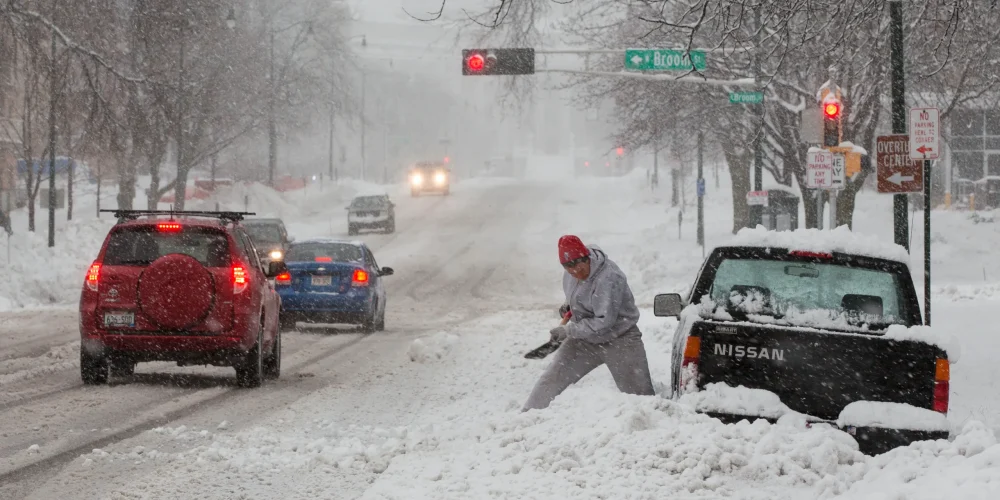
The impact on the nation’s infrastructure has been catastrophic. In Bucharest, the sudden accumulation of 40 centimeters of snow effectively paralyzed the city. Fallen trees, weighed down by heavy ice and snow, blocked major motorways and disrupted rail lines, leading to dozens of train cancellations and significant delays. The national emergency response agency reported that the sheer volume of snow made many roads impassable, even for heavy-duty clearing equipment, leaving dozens of commuters stranded on national highways.
Public safety has reached a critical point as the storm hampers life-saving services. In a particularly concerning development, emergency officials revealed that ten ambulances were snowed in while attempting to respond to calls in six different counties. The inability of emergency vehicles to navigate the drifts has forced authorities to prioritize clearing paths to hospitals and medical centers. Schools in several towns have been ordered to close indefinitely until the primary roads are deemed safe for travel.
Despite the chaos on the ground, the nation’s energy sector has shown some signs of resilience. Minister Ivan noted that while distribution networks were damaged, the country’s overall power production actually increased by 11 percent compared to the previous year. High winds and elevated water levels have led to a surplus in wind and hydroelectric production, allowing Romania to continue exporting energy to neighboring countries even as local technicians struggle to reconnect domestic customers to the grid.
Meteorologists warn that while the heaviest snowfall has passed, the risk of secondary disasters remains high. Freezing temperatures are expected to turn the slush and snow into solid ice, creating hazardous conditions for both drivers and pedestrians. Government officials have urged citizens to stay indoors and conserve energy where possible as utility companies enter their second day of around-the-clock repair efforts. The focus now shifts to reaching the most isolated rural communities that have been cut off from communication and supplies by the historic blizzard.









