

KEY POINTS
- Asian equity markets climbed even as investor concerns about AI’s economic impact persist.
- Oil prices edged lower following reported diplomatic progress between the U.S. and Iran.
- Currency and bond markets were mixed, with the yen firming and yields holding steady.
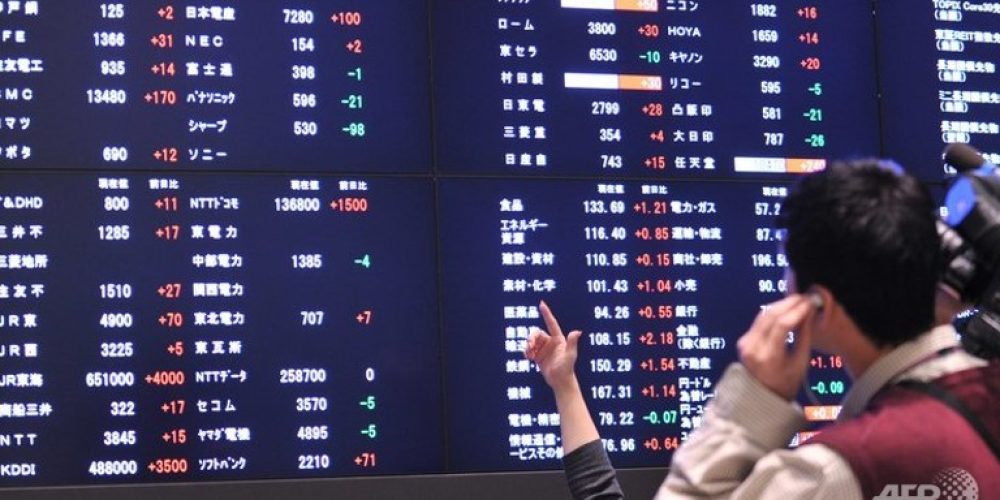
Asian stock markets advanced on Wednesday, with gains seen in major indexes despite ongoing investor caution tied to artificial intelligence developments and their economic implications. Markets across the region showed positive momentum as traders weighed global growth signals against sector-specific risk concerns.
Japan’s benchmark Nikkei 225 led the uptick, climbing nearly 1%, while Australia’s ASX 200 also registered notable gains. Other regional markets remained shuttered or experienced limited action due to the Lunar New Year holiday, which typically reduces trading volumes and liquidity across Asia.
Investor focus has been divided between optimism over cyclical equities and lingering worries about AI-related market overextension. Though technology stocks have shown resilience at times, economists and traders are monitoring potential imbalances as capital flows continue to rotate across sectors.
Oil prices declined modestly amid reports of progress in diplomatic talks between the United States and Iran. The moves raised hopes for a reduction in Middle East geopolitical risk, which in turn eased some supply concerns that can pressure crude prices. Brent and West Texas Intermediate benchmarks were both slightly lower on Wednesday.
Currency markets reflected mixed sentiment, with the U.S. dollar holding firm against major peers and the Japanese yen strengthening modestly. These shifts come as traders digest central bank signals and global macroeconomic data, including expectations for forthcoming U.S. Federal Reserve minutes that could influence interest rate outlooks.
In bond markets, benchmark 10-year U.S. Treasury yields maintained relative stability amid the broader risk-on environment. Stable yields suggest that fixed-income investors are balancing growth expectations with inflation and policy considerations as global markets navigate shifting economic indicators.
Precious metals experienced slight downward pressure, partly due to the stronger dollar and reduced geopolitical uncertainty following positive diplomatic developments. Gold and silver prices dipped from recent levels as safe-haven demand eased.
The overall trading landscape continues to be shaped by a mix of enduring concerns about artificial intelligence’s disruptive potential and periodic upbeat signals from cyclical industry data. This dynamic has kept market participants alert to both sector-specific performance and broader macroeconomic forces.
Market watchers are also paying attention to key economic releases scheduled later in the week, including U.S. inflation numbers and regional growth reports that could further inform central bank policy projections. These data points are expected to influence investor behavior and risk sentiment in the near term.
Despite the ongoing holiday period in several Asian financial centers, global markets have shown signs of resilience. European equities recently rallied as well, driven by gains in financial and healthcare sectors, illustrating a degree of breadth in investor confidence beyond the Asia-Pacific region.
However, market activity over the coming days may remain subdued until key participants return from holiday breaks. Destinations such as China, Hong Kong, Singapore and South Korea are observing extended closures, which could temper trading volumes and price discovery.
In summary, global markets demonstrated tentative optimism on Wednesday, with equity gains in Asia and mixed performance in commodity and currency markets. Traders are poised to react to forthcoming economic data and central bank communications, while geopolitical developments continue to influence asset prices and risk appetite.









