

KEY POINTS
- England manager Thomas Tuchel urged his squad to block out historical pressure and establish their own legacy ahead of an iconic upcoming fixture.
- The Three Lions face a high-stakes encounter that could redefine the national team’s modern footballing trajectory under new leadership.
- Striking a balance between respect for past rivalry and contemporary focus, the coaching staff is emphasizing execution over historic narratives.
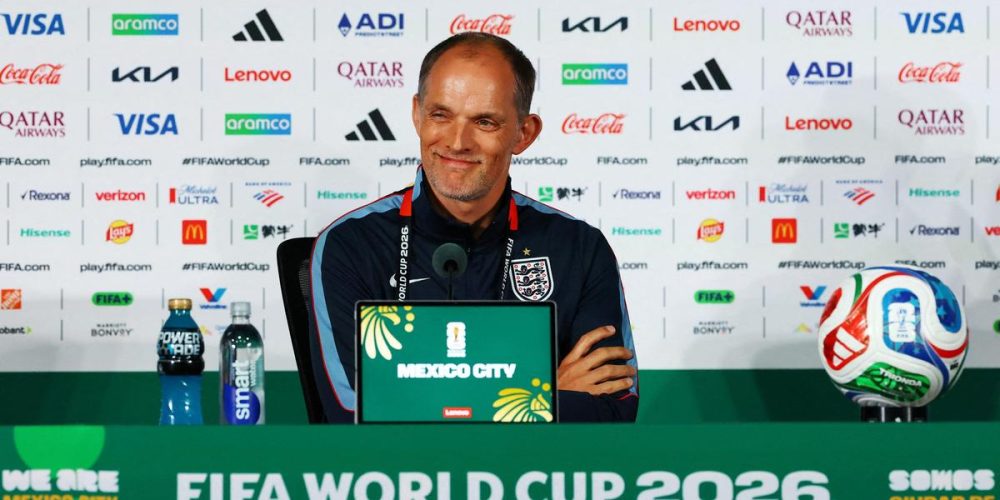
England manager Thomas Tuchel has issued a definitive rallying cry to his squad, demanding they focus on the present rather than the heavy burden of historical footballing rivalries. Speaking ahead of a highly anticipated, iconic international fixture, the newly appointed tactical mastermind emphasized that his players possess a unique opportunity to author a fresh chapter in the nation’s sporting history. The high-stakes match stands as a critical litmus test for England’s evolving tactical identity under top-tier continental management.
What You Need to Know
For decades, the England men’s national football team has carried a complex psychological weight when stepping into high-profile international encounters. Generations of passionate supporters and media outlets routinely invoke past heartbreaks, historic tournament exits, and legendary rivalries dating back more than half a century. This cyclical reliance on nostalgia and historical grievance has often been criticized by sports analysts for creating an environment of immense pressure that stifles on-pitch creativity and composure during crucial tournament phases.
The appointment of Thomas Tuchel was specifically intended to break this historical cycle by injecting a clinical, elite European club mentality into the national setup. Known for his meticulous tactical setups and success at the highest levels of club competition—including a UEFA Champions League title—the German tactician represents a departure from traditional internal appointments. His outsider perspective allows the squad to look at traditional international rivalries through a purely objective, professional lens rather than an emotional one.
As the team prepares for this iconic match, the camp has shifted its internal culture away from defending or correcting past failures. Instead, the focus has pivoted entirely toward maximizing the tactical capabilities of a highly talented generation of footballers who ply their trade in the world’s most demanding domestic leagues. The objective is no longer about escaping the shadow of previous generations but rather stepping completely out of it.
Forging a New Tactical Identity
The upcoming fixture represents far more than a standard international test; it is the ultimate proving ground for the strategic philosophy Tuchel has begun implementing. On the training ground, the emphasis has been placed strictly on structural discipline, rapid defensive transitions, and unlocking the immense creative potential of England’s youthful attacking core. Rather than focusing on the external noise and media speculation surrounding the historical animosity between the competing nations, the technical staff has spent the week analyzing modern statistical metrics and opposition patterns.
Key veteran figures within the squad have echoed their manager’s forward-looking sentiment, signaling a unified dressing room that is receptive to this modern approach. The current roster features players who have tasted substantial success in continental club football, meaning many of them do not share the psychological scars of past international failures that plagued previous English golden generations. This lack of historical baggage is precisely what the coaching staff intends to leverage when the whistle blows for this monumental showdown.
Preparations have focused intensely on situational awareness and maintaining emotional equilibrium under intense stadium pressure. Tuchel has drilled his players on maintaining a compact shape and executing specific passing lanes designed to neutralize the opponent’s primary playmakers. By transforming an emotionally charged event into a series of calculated tactical battles, England hopes to dictate the tempo of the game from the opening minutes, effectively rendering historical precedents irrelevant to the final scoreline.
Why This Matters
For global sports fans and the rapidly expanding soccer audience across the United States, high-profile international fixtures of this magnitude serve as a primary catalyst for soccer’s mainstream cultural growth. Major international clashes attract millions of American viewers who are increasingly tuning in to watch elite athletes they regularly follow in domestic leagues like the English Premier League. When traditional footballing powerhouses meet under modern, elite coaches, it elevates the quality of the global game, offering a masterclass in modern sports strategy that resonates with analytical American sports fans.
Furthermore, the evolution of the England national team carries substantial commercial implications for North American sports media conglomerates and corporate sponsors. As the countdown to major global tournaments intensifies, the performance and cultural relevance of teams like England directly impact broadcasting rights valuation, advertising revenue, and merchandise sales in overseas markets. A modernized, winning English side led by a globally recognized manager presents a highly marketable narrative that captivates casual sports enthusiasts well beyond the traditional borders of European football.
NCN Analysis
From an editorial perspective, Thomas Tuchel’s public stance is a masterclass in psychological management and media shielding. By publicly instructing his players to ignore historical narratives, he is intentionally absorbing the pressure onto himself, allowing his squad to play with a sense of freedom that has been noticeably absent in England’s previous high-stakes appearances. This strategic shift is exactly what the federation envisioned when hiring a manager who is entirely disconnected from the historical anxieties of English football culture.
Moving forward, the success of this approach will be judged strictly by on-pitch execution during moments of maximum adversity. If the squad can maintain its tactical discipline and composure when facing mid-match setbacks, it will validate Tuchel’s philosophy and signal a permanent shift in the team’s international pedigree. Readers should closely watch how the team handles the opening twenty minutes of the fixture, as their ability to establish structural dominance early on will indicate whether they have truly neutralized the emotional weight of history.
The definitive takeaway from the camp is clear: past legacies will not dictate future performance on the pitch.
Reported by the NCN Editorial Team









