

KEY POINTS
- Midfielder Ismael Saibari scored a historic opening-minute goal to secure a vital 1-0 victory for Morocco over Scotland.
- The clinical strike represents the fastest goal recorded in the tournament so far, arriving just 71 seconds into the match.
- The result places Morocco in a commanding position at the top of Group C, while leaving Scotland to fight for survival.
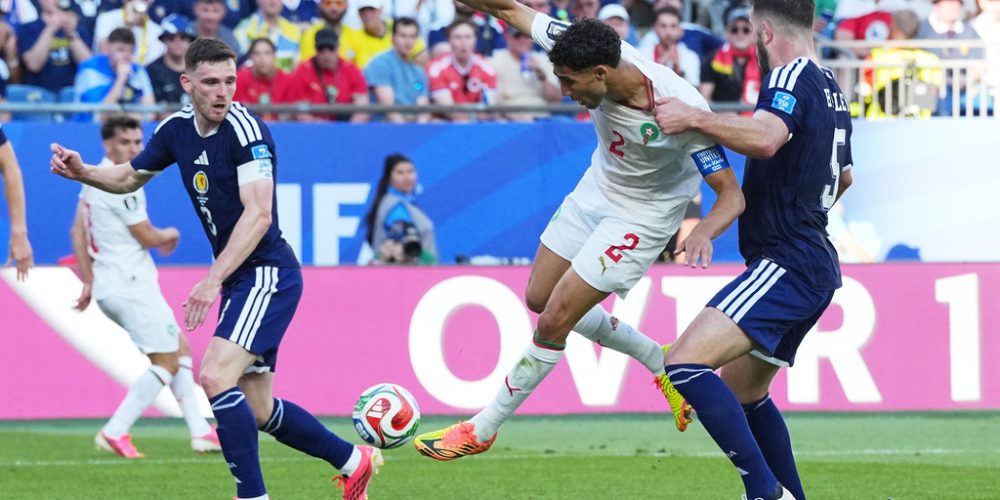
Morocco put themselves on the brink of the knockout rounds with a disciplined 1-0 victory over Scotland at a boisterous Boston Stadium in Foxborough. Midfielder Ismael Saibari provided the decisive moment of the match, finding the back of the net before many spectators had even taken their seats. The North African side then relied on their defensive organization and physical dominance to frustrate a determined but limited Scottish team.
What You Need to Know
The highly anticipated Group C clash carried massive implications for both nations as they looked to establish a clear path to the Round of 32. Scotland entered the contest full of confidence following a hard-fought 1-0 win over Haiti in their opening match, knowing another positive result would virtually guarantee historic advancement. Morocco, who made global headlines with their historic semifinal run in Qatar four years ago, were looking to build upon an impressive 1-1 opening draw against tournament favorites Brazil.
Tactically, Scotland manager Steve Clarke anticipated heavy offensive pressure from the technically superior Moroccan side and altered his lineup accordingly. The Scots lined up in a cautious, compact defensive framework designed to compress the midfield space and deny room to Morocco’s creative playmakers. However, this defensive game plan was instantly thrown into chaos by an extraordinary lapse in concentration during the very first phase of play.
The match took place in front of a capacity crowd of over 64,000 fans, with a massive contingent of traveling Scotland supporters creating an electric atmosphere. Despite the nominal neutral venue in Massachusetts, the vocal “Tartan Army” effectively turned the stadium into a home fixture for the European side. Yet, the celebratory pre-match songs were abruptly silenced by a lightning-fast Moroccan counter-attack that caught the Scottish back line completely cold.
A Record-Breaking Goal Out West
The decisive breakthrough materialized just 71 seconds after the opening whistle blew. Realizing that the Scottish defense had pushed high up the pitch directly from kickoff, Madrid-born playmaker Brahim Díaz spotted a gap and lofted a perfectly weighted pass over the top of the defense. Ismael Saibari read the flight of the ball flawlessly, peeled away from two static defenders, and unleashed a ferocious strike into the top left corner past a helpless Angus Gunn.
The goal underwent a swift check by the semi-automated video assistant referee system to check for a potential offside, but the review quickly confirmed Saibari was level, sparking wild celebrations from the Moroccan technical bench. The stunning strike officially entered the history books as the fastest goal scored at the 2026 World Cup so far. Furthermore, the goal made the 25-year-old PSV Eindhoven star the first player in Moroccan history to score in each of his first two career World Cup appearances.
Stunned by the early setback, Scotland attempted to regroup and settle into a possession rhythm, but Morocco’s midfield lines closed down space with relentless intensity. The Atlas Lions looked a class above their opponents for the remainder of the first half, combining intricate passing combinations with explosive pace on the wings. Achraf Hakimi and Bilal El Khannouss both went close to doubling the advantage, with Gunn making a series of smart saves to keep Scotland within striking distance.
As the second half progressed, Clarke introduced attacking substitutions, bringing on young talent Ben Doak and forward Lyndon Dykes to inject urgency into the final third. Scotland pushed bodies forward in the closing stages, searching desperately for an equalizer via set-pieces and long crosses from captain Andy Robertson. However, the Moroccan center-back pairing held firm, marshaling the penalty box with absolute authority and restricting Scotland to speculative, blocked efforts until the final whistle.
Why This Matters
This pivotal tournament outcome has direct ramifications for soccer fans across the United States and the broader North American sports market. With the match held in the Boston metropolitan area, local hospitality industries and tournament venues have experienced an unprecedented surge in international fan engagement. The passionate presence of the Scottish fans combined with Morocco’s global appeal continues to demonstrate the massive commercial and cultural success of hosting the expanded tournament in American cities.
On the pitch, Morocco’s triumph complicates the qualification mathematics for Group C, turning the final round of matches into high-stakes drama. For soccer enthusiasts watching from afar, the emergence of breakout stars like Saibari—who is currently linked with a multi-million euro transfer to European giants Bayern Munich—adds an intriguing narrative to the competition. The victory solidifies the reality that African nations are no longer mere participants but legitimate contenders capable of managing high-pressure tournament situations.
NCN Analysis
Morocco’s performance showcased a mature blend of early attacking opportunism and subsequent tactical pragmatism. While their fluid attacking transition dismantled Scotland in the opening minutes, it was their defensive resilience in the second half that truly verified their elite tournament credentials. Under the steady guidance of Walid Regragui, the Atlas Lions have successfully maintained the elite defensive structure that defined their historic 2022 campaign, making them an incredibly difficult opponent to break down.
For Scotland, this defeat represents a sobering reality check regarding the technical gulf that remains between themselves and the world’s top ten ranked nations. Despite a spirited second-half performance fueled by their vocal supporters, the lack of cutting edge and creativity in the final third was painfully apparent. The coaching staff must now quickly lift the squad’s spirits and devise an aggressive tactical plan for their final group match, where a victory remains essential to keeping their knockout stage dreams alive.
A historic opening minute flash of brilliance was all Morocco required to tame the Tartan Army and assume total control of Group C.
Reported by the NCN Editorial Team









