

KEY POINTS
- A prominent Somali referee will receive his complete tournament salary despite being blocked from entering the country.
- The visa denial highlights ongoing friction between international sporting events and strict domestic immigration policies.
- Global soccer’s governing body confirmed financial protection for officials impacted by geopolitical travel barriers.
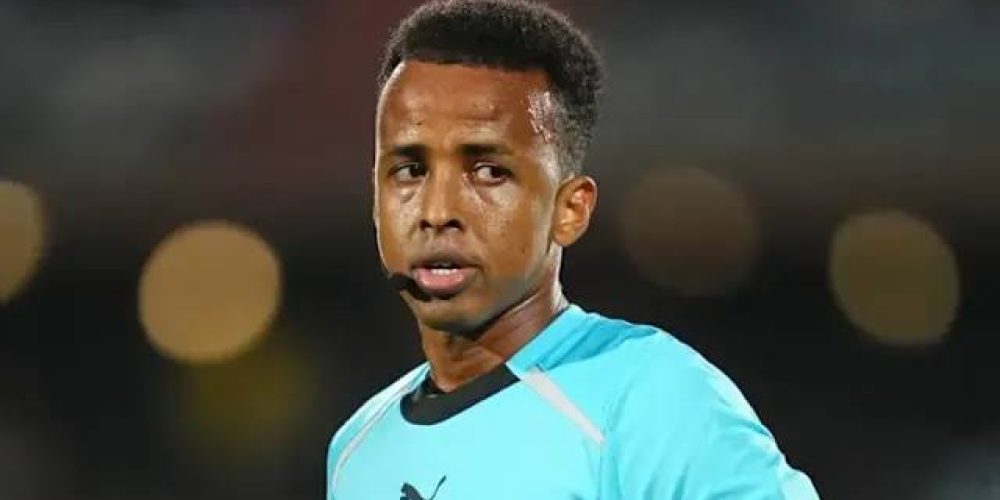
An elite international soccer official from Somalia will receive his entire tournament compensation package despite being blocked from entering the United States to officiate the World Cup. The governing body of global soccer, FIFA, confirmed it will honor its financial obligations to the referee, who was blocked by immigration authorities during the mandatory visa application process. The decision underscores a growing tension between global sports organizations and the rigid border policies of host nations, putting a spotlight on bureaucratic hurdles during major international tournaments.
What You Need to Know
Securing travel documentation for international sporting events remains one of the most complex operational challenges for global governing bodies. When multiple nations collaborate to host a tournament of this magnitude, thousands of athletes, coaches, executives, and match officials must clear strict visa protocols across different jurisdictions. For individuals originating from regions with heightened security classifications or unstable diplomatic ties, navigating these administrative systems can prove nearly impossible, even with formal backing from organizations like FIFA.
The official at the center of the dispute, Omar Abdulkadir Artan, has built a distinguished career officiating high-stakes matches across the African continent and in various international tournaments. His selection to the elite roster of World Cup referees was a historic milestone for East African sports journalism and officiating circles. However, despite months of bureaucratic preparation and official endorsements from tournament organizers, his request for a standard entry visa was formally rejected by United States consular authorities, preventing him from fulfilling his lifelong dream on the pitch.
Visa Complications for Match Officials
The administrative breakdown occurred during the final wave of processing for tournament staff heading to North American host cities. While the vast majority of international match officials secured their work and travel permits without major disruptions, consular officials cited standard immigration framework limitations when rendering the final refusal for the Somali referee. The decision sparked immediate discussions within the tournament’s organizing committees regarding the vulnerability of participants from developing countries when games are held in Western nations.
To mitigate the professional and financial damage to the affected official, global soccer executives moved quickly to implement a protective financial safety net. According to official communications, the referee will be compensated with the exact base salary and projected match fees he would have collected had he been actively blowing the whistle in American stadiums. This financial guarantee is designed to honor his selection merit and insulate individual sports professionals from the unpredictable fallout of international diplomacy and passport privilege.
Why This Matters
For American audiences, lawmakers, and sports business analysts, this incident serves as an important case study regarding the hidden structural friction embedded in hosting mega-events. While the commercial benefits of bringing the world’s most popular tournament to North American venues are undeniable, the strict nature of domestic immigration policies can inadvertently create negative public relations outcomes on the global stage. It highlights an ongoing debate over whether host nations should establish specialized, streamlined athletic visa pathways to prevent political boundaries from interfering with athletic representation.
Furthermore, this situation challenges the long-held assertion that global sports can operate entirely independently of geopolitics. When a qualified professional is excluded from an event solely due to their nationality or country of origin, it threatens the foundational principles of equity and global inclusion that these tournaments actively promote. For corporate sponsors, media partners, and international fans, these administrative barriers illustrate why future tournament bidding processes will likely place a much heavier emphasis on guaranteed, universal border access for all accredited participants.
NCN Analysis
The governing body’s decision to provide full financial restitution to the barred Somali referee sets a critical precedent for the future of international sports governance. By absorbing the financial burden of a host nation’s immigration decision, the organization is signaling that it will defend the financial security of its selected officials, even when it cannot influence domestic border security laws. This proactive strategy prevents individual referees and athletes from becoming financial collateral damage in broader geopolitical standoffs.
Moving forward, this development will undoubtedly influence how future international tournaments are awarded and organized. Countries competing to host upcoming events will face intense pressure to demonstrate clear, legally binding assurances that consular offices will not arbitrarily block certified participants. Readers should watch closely to see if this incident prompts a formal policy revision from domestic immigration agencies, as future sports partnerships will require closer synchronization between sports organizations and state departments to ensure seamless global participation.
The financial protection offered to the barred official demonstrates a necessary step toward shielding individual sports professionals from the complicated realities of international border politics.
Reported by the NCN Editorial Team









