KEY POINTS
- PSG secured a 2-0 home win against Liverpool in the Champions League quarter-final first leg.
- Goals in the 28th and 74th minutes capitalized on Liverpool’s defensive vulnerabilities.
- Liverpool failed to score an away goal, leaving them with a major deficit to overcome at Anfield.
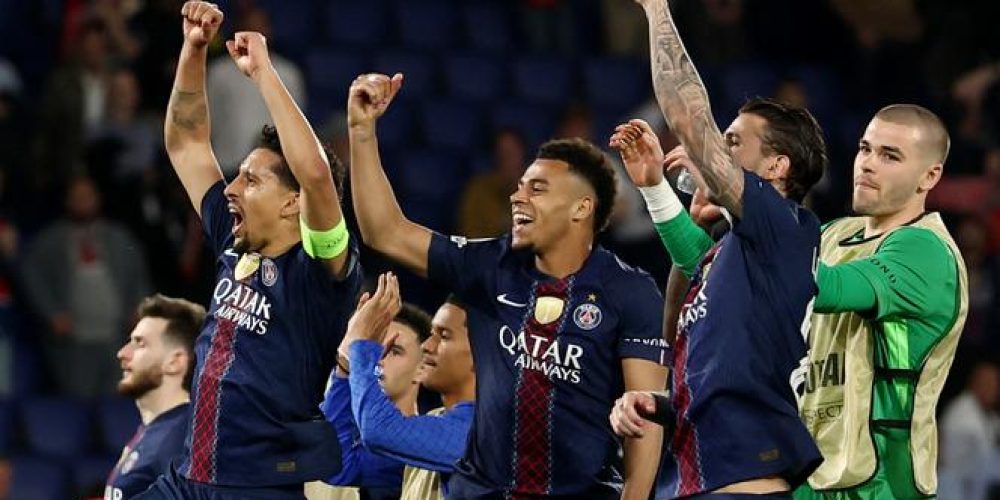
Paris Saint-Germain has taken a massive step toward the Champions League semi-finals after dismantling Liverpool with a clinical 2-0 victory at the Parc des Princes on Wednesday night. The French champions utilized their explosive pace and tactical discipline to stifle a Liverpool side that looked uncharacteristically sluggish in one of the season’s most anticipated European fixtures. With two goals in the bag and a clean sheet to boot, the Parisians now head to Anfield with a significant psychological and mathematical advantage.
What You Need to Know
The UEFA Champions League represents the pinnacle of club soccer, and this quarter-final pairing brought together two of the wealthiest and most storied institutions in the modern game. For PSG, the tournament has remained an elusive “Holy Grail,” with the club’s Qatari owners spending billions over the last decade to secure a trophy that has consistently slipped through their fingers. Liverpool, by contrast, entered the tie as six-time winners, carrying the weight of English expectations and a reputation for dramatic European comebacks.
Heading into the first leg, the narrative was centered on whether Liverpool’s high-pressing system could survive the individual brilliance of PSG’s revamped frontline. In recent years, both clubs have undergone significant transitions; Liverpool has been integrating a younger core of midfielders, while PSG has moved away from a “superstar-only” recruitment policy toward a more cohesive, team-oriented tactical approach. This match served as the ultimate litmus test for these evolving philosophies.
The atmosphere in Paris was electric, with the home supporters sensing that this might finally be the year their team breaks its European hoodoo. For the uninitiated American viewer, the Champions League quarter-finals are essentially the “Elite Eight” of global soccer, where the margin for error is non-existent. A 2-0 scoreline in the first leg is often considered one of the most dangerous leads in sports—comfortable enough to feel secure, but fragile enough that a single early goal in the second leg can ignite a total collapse.
Clinical Finishing and Tactical Superiority
From the opening whistle, it was clear that Luis Enrique’s PSG side had done their homework on Liverpool’s defensive high line. The Parisians exploited the space behind the Reds’ full-backs with surgical precision, stretching the game and forcing Liverpool’s center-backs into uncomfortable wide positions. The deadlock was broken in the 28th minute when a lightning-fast counter-attack saw the ball moved through the midfield with just three touches, culminating in a composed finish that left the Liverpool goalkeeper with no chance.
Liverpool attempted to mount a response in the second half, dominating possession for large stretches but failing to register a single shot on target that truly troubled the PSG backline. The French side’s defensive organization was impeccable, anchored by a veteran presence in the center of the park that systematically disrupted Liverpool’s rhythm. The frustration among the English contingent grew as passes went astray and their typically potent frontline was kept largely anonymous.
The decisive blow came in the 74th minute. Following a sustained period of Liverpool pressure that yielded no results, PSG once again struck on the break. A beautifully weighted cross found an unmarked attacker at the back post, who doubled the lead and sent the Parc des Princes into a state of delirium. Liverpool’s manager looked on from the touchline as his tactical adjustments failed to bypass a PSG defense that seemed to anticipate every move.
By the time the final whistle blew, the statistics told the story of a game won in the tactical trenches. While possession was nearly equal, PSG’s efficiency was the defining factor. They created fewer total chances than they usually do in domestic French league play, but they made their high-value opportunities count. Liverpool, meanwhile, will return to the UK lamenting their lack of a “Plan B” when their primary attacking avenues were shut down by a disciplined Parisian blockade.
Why This Matters
For soccer fans in the United States and global audiences, this result highlights the shifting power dynamics within European football. For years, the English Premier League has been touted as the undisputed strongest league in the world, yet PSG’s dominance over Liverpool suggests that the tactical gap between England’s best and the rest of Europe is narrowing. This matters for American investors who have poured billions into both clubs, as Champions League success significantly dictates a team’s global brand value and broadcasting revenue.
Furthermore, this match is a preview of the high-intensity soccer that will dominate the landscape leading up to the 2026 World Cup. Many of the players on the pitch on Wednesday will be the same faces headlining the tournament in North America. Seeing how world-class talents handle the pressure of a Champions League quarter-final provides valuable insight into which national teams might have the mental fortitude to succeed on the world stage. For the casual viewer, it is a reminder that in elite sports, strategy often triumphs over raw star power.
NCN Analysis
This 2-0 result is more than just a win; it is a statement of intent from Paris Saint-Germain. For years, critics have accused the club of being “mentally fragile” in big European moments, but this performance was marked by a maturity and calmness that we haven’t seen from previous iterations of the squad. Luis Enrique has successfully instilled a sense of collective responsibility that makes PSG far more dangerous than when they relied solely on the brilliance of one or two individuals.
However, the job is only half done. Liverpool’s home ground, Anfield, is famous for being the site of improbable turnarounds. The “Our Take” from the NCN editorial desk is that PSG must resist the urge to sit deep and defend their lead in the second leg. If they allow Liverpool to dictate the tempo from the first minute in England, they risk being overwhelmed by the atmosphere and the Reds’ relentless energy. PSG should look to grab an away goal early to effectively end the tie, as three goals for Liverpool would then be required just to force extra time.
The Parisians have a foot in the semi-finals, but they must survive 90 minutes in one of soccer’s most intimidating cauldrons to make it official.
Reported by the NCN Editorial Team