KEY POINTS
- The American Heart Association updated its official recommendations to emphasize overall dietary patterns.
- New research shows that consistent lifestyle habits provide more protection than isolated nutrient choices.
- Following these nine specific dietary steps can significantly lower the risk of chronic cardiovascular disease.
The American Heart Association has released an updated framework for maintaining a healthy heart through nutrition. This latest guidance shifts focus away from individual foods toward broader long-term eating habits. Medical experts believe this holistic approach makes heart-healthy living more sustainable for the general public.
The first step encourages consumers to balance their calorie intake with regular physical activity. Maintaining a healthy body weight remains a cornerstone of preventing strain on the cardiovascular system. Small adjustments in daily movement can complement a nutritious diet to improve overall heart function.
Incorporating a wide variety of fruits and vegetables serves as the second vital recommendation. These foods provide essential vitamins and minerals that support blood vessel health and reduce inflammation. Choosing produce in a range of colors ensures a diverse intake of beneficial phytonutrients.
The third guideline suggests prioritizing whole grains over refined carbohydrates like white bread or sugary cereals. Whole grains contain fiber that helps regulate cholesterol levels and stabilizes blood sugar throughout the day. This simple swap can have a lasting impact on metabolic health.
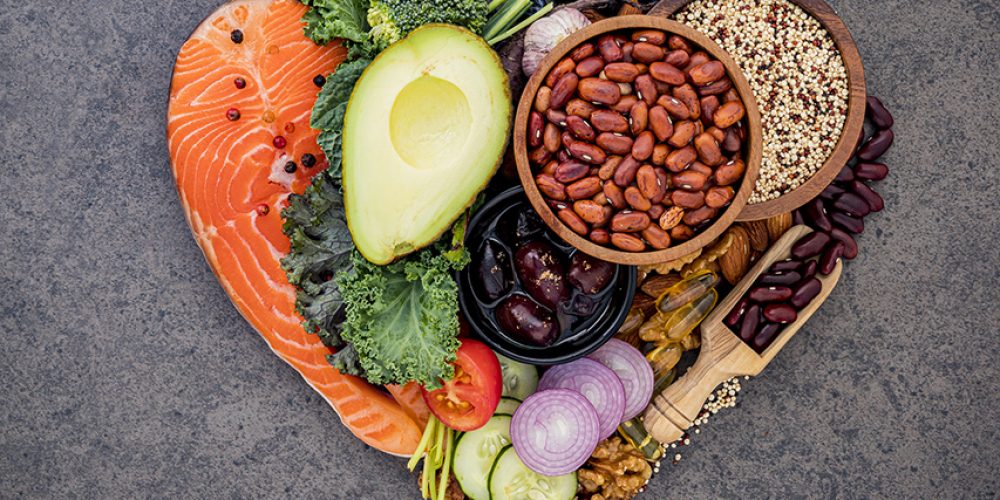
Selecting healthy protein sources is the fourth major component of the new dietary strategy. The association recommends lean meats, poultry, and fish as primary options for non-vegetarians. Plant-based proteins such as beans, lentils, and nuts also offer excellent heart-healthy alternatives.
The fifth step involves using liquid plant oils instead of tropical oils or animal fats. Oils like olive, sunflower, and canola contain unsaturated fats that help maintain healthy lipid profiles. Reducing saturated and trans fats is crucial for preventing the buildup of arterial plaque.
Minimizing the consumption of ultra-processed foods constitutes the sixth essential dietary habit. These products often contain hidden sugars, unhealthy fats, and excessive chemical additives that harm the heart. Cooking at home with fresh ingredients allows for better control over nutritional content.
The seventh guideline focuses on reducing the intake of beverages and foods with added sugars. High sugar consumption is linked to obesity, Type 2 diabetes, and an increased risk of heart failure. Drinking water or unsweetened tea can replace sodas and energy drinks.
Lowering salt and sodium intake is the eighth step to protect against high blood pressure. Most sodium in the modern diet comes from packaged meals and restaurant food rather than the salt shaker. Reading nutrition labels carefully can help individuals make lower-sodium choices.
Finally, the ninth step advises limiting or eliminating alcohol consumption to maintain optimal heart health. Alcohol can contribute to irregular heart rhythms and elevated blood pressure in some individuals. Following these integrated steps provides a comprehensive shield against the leading causes of heart disease.