KEY POINTS
- Arizona shattered national weather records in late March, with temperatures reaching 110°F near Martinez Lake and 105°F in Phoenix.
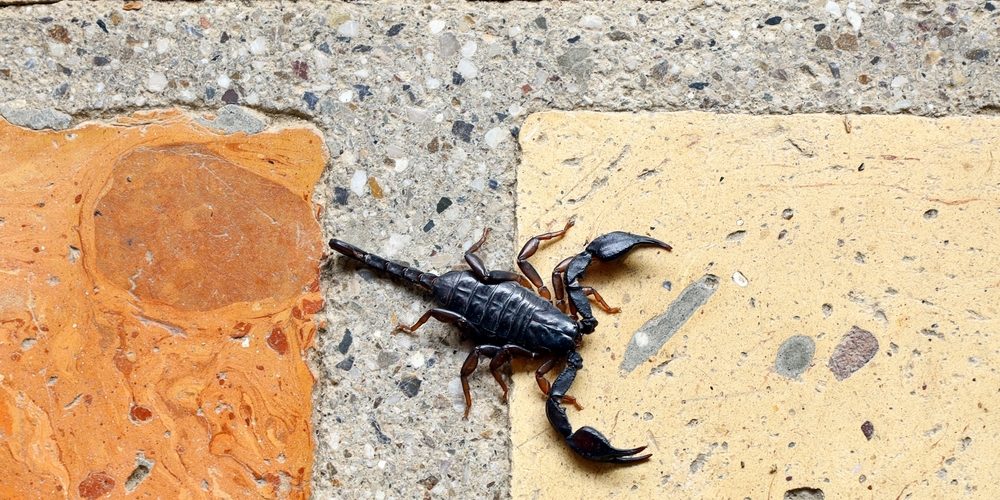
- The unseasonable heatwave has forced rattlesnakes and scorpions out of winter dormancy months ahead of their typical activity cycle.
- Poison control centers report a significant spike in bites and stings, leading to the emergency closure of popular hiking trails.
Arizona is grappling with an unprecedented late-winter heatwave that has shattered national temperature records and kickstarted an early season for the state’s most dangerous pests. On March 19, 2026, the community of Martinez Lake reached a blistering 110°F, marking the highest March temperature ever recorded in United States history. In Phoenix, the mercury hit 105°F, surpassing a decades-old record and effectively bringing mid-summer conditions to the desert two months early. This extreme shift in climate has disrupted the natural cycles of local wildlife, creating a hazardous environment for residents and tourists alike.
The primary concern for public health officials is the sudden and widespread emergence of rattlesnakes and scorpions. Typically, these venomous creatures remain in a state of brumation—a low-activity winter dormancy—until late April or May. However, the record-breaking warmth has acted as a biological wake-up call. Exterminators and wildlife relocation experts across the Valley report a massive surge in service calls, as rattlesnakes seek shade in residential backyards and scorpions begin infiltrating homes in search of water and cooler temperatures.
Medical facilities are already feeling the impact of this early biological activity. Banner Poison Control has noted a sharp increase in treated cases for scorpion stings and rattlesnake bites compared to previous years. Health experts warn that because these animals have just emerged from dormancy, they may be more defensive and prone to striking. Residents are being urged to exercise extreme caution when moving patio furniture, working in gardens, or walking pets after sunset, as scorpions become highly active during the warm nights.
The heatwave has also prompted emergency safety measures across Maricopa County. City officials in Phoenix were forced to close popular hiking trails at Camelback Mountain and Piestewa Peak during the peak afternoon hours. These closures are designed not only to prevent heat-related illnesses among hikers but also to reduce the risk of accidental encounters with rattlesnakes, which often bask on sun-warmed rocks near trail paths. Park rangers have increased patrols to educate the public on “snake-safe” behavior and to monitor for distressed hikers.
Climate scientists point to this event as a stark indicator of shifting global patterns. An analysis of the current heatwave found that such extreme temperatures in March would have been nearly impossible without the influence of the ongoing climate crisis. The early arrival of triple-digit heat is no longer viewed as an isolated anomaly but as a new seasonal reality for the Southwest. This shift requires a fundamental change in how the state manages public infrastructure and wildlife safety during the spring months.
For homeowners, the early surge has led to a rush on “exclusion services” and pest-proofing measures. Experts suggest that keeping yards clear of debris and maintaining tight seals on doors and windows are essential steps to prevent unwanted encounters. Wildlife officials also remind the public that rattlesnakes are a protected part of the ecosystem and should never be approached or killed; instead, professional removal services should be contacted to handle any snakes found on private property.
As the heatwave is expected to persist through the end of the month, state agencies remain on high alert. The combination of record-shattering temperatures and the early migration of venomous species has created a unique dual threat to public safety. Until temperatures return to seasonal norms, Arizona residents are being advised to stay hydrated, remain vigilant, and treat every desert crevice as a potential habitat for displaced wildlife.