KEY POINTS
- The club is displacing 1,100 season ticket holders to expand high-end hospitality sections.
- One affected 76-year-old fan has held his specific family seat since the year 1949.
- The new corporate packages will cost guests up to £425 per person for a single match.
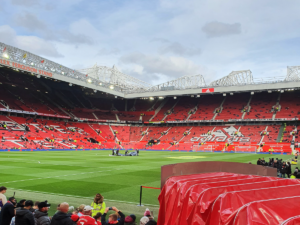
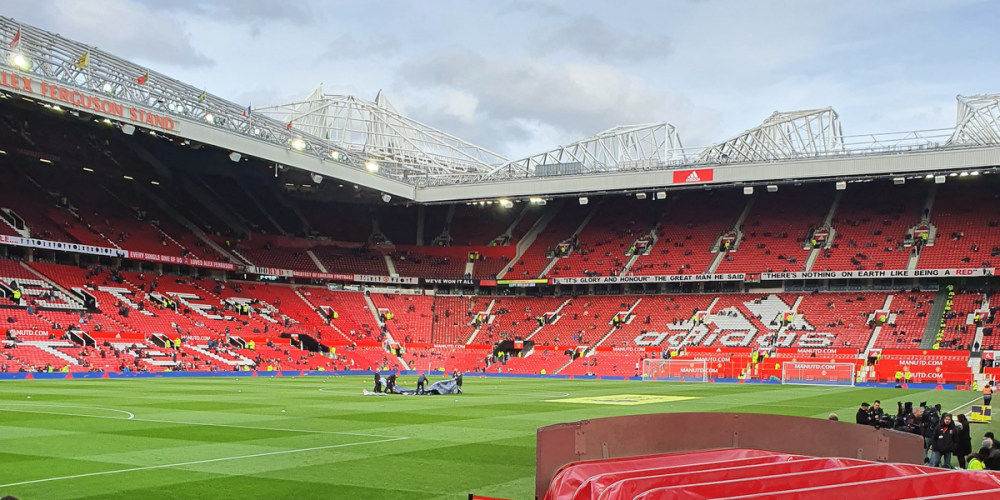
Manchester United has sparked significant controversy after announcing plans to move over a thousand loyal fans from their traditional seats. This decision aims to create more space for high-paying corporate guests at Old Trafford. The club plans to transform these areas into premium hospitality zones starting next season.
One notable case involves Tony Riley, a 76-year-old supporter who feels devastated by the news. His family has occupied the same seat in the Sir Bobby Charlton stand for nearly 80 years. This legacy began shortly after the Second World War when the team returned to their home ground.
Riley has a deep personal connection to the club beyond just being a fan. His father-in-law was a former player under the legendary manager Sir Matt Busby. Even though Riley travels 180 miles for every home game, he must now find a new place to sit.
The club is targeting prime locations near the dugouts for this transition. These seats offer some of the best views of the pitch. Under the new commercial strategy, these spots will be sold as part of expensive match-day experiences.
Pricing for these new VIP packages is significantly higher than standard tickets. Some options include fine dining at high-profile restaurants and luxury amenities. Guests might pay between £300 and £425 per game for these privileges. In contrast, many long-term fans pay much less for their annual season tickets.
This move has drawn sharp criticism from the Manchester United Supporters Trust. The group expressed deep concern over the mandatory relocation of loyal followers. They noted that many families and friend groups risk being separated by the new seating arrangements.
Riley himself has expressed a sense of hopelessness regarding the situation. He feels that the club is prioritizing wealthy visitors over those who have supported the team for decades. His daughter also voiced her anger, suggesting the club no longer values traditional fan loyalty.
The relocation follows a similar move last year involving 600 other supporters. Many fans believe the atmosphere of the stadium is being traded for corporate revenue. They worry the “prawn sandwich brigade” is taking over the heart of the ground.
Manchester United officials acknowledged that the changes would cause an emotional impact on those affected. However, the club appears committed to the plan to boost match-day income. They have stated they will try to keep displaced groups together in other parts of the stadium.
For Riley and many others, the upcoming games represent their final moments in their historic seats. After the current season ends, the transition to hospitality will begin. This shift marks a major change in how the club manages its most iconic seating areas.