KEY POINTS
- Israeli forces targeted Iranian military sites in Tehran following a series of regional escalations.
- President Donald Trump stated the United States is actively mediating a deal to end the conflict.
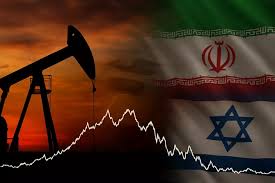
- Global oil prices spiked immediately following the news of the direct strikes on the Iranian capital.
Israeli military jets conducted a series of targeted airstrikes against strategic locations in Tehran early Wednesday morning. This operation marks a significant escalation in the ongoing direct confrontation between the two regional powers. Witness reports from the Iranian capital described multiple loud explosions and visible fire in the sky.
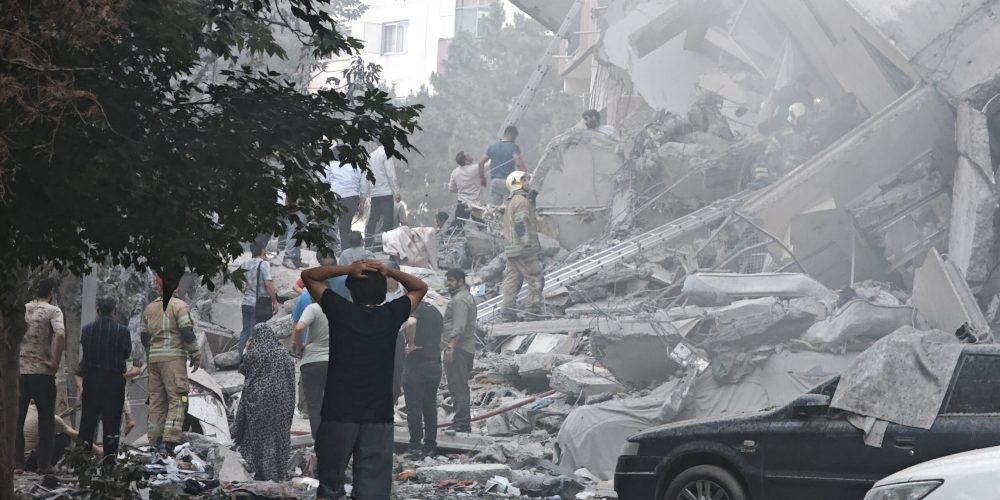
Local authorities in Tehran confirmed that several military installations sustained damage during the aerial assault. Iranian state media claimed that their air defense systems successfully intercepted a portion of the incoming projectiles. However, independent verifications of the total impact on the ground remain limited due to strict security measures.
In Washington, President Donald Trump addressed the situation during a brief press conference at the White House. He informed reporters that the United States is currently leading intense diplomatic negotiations to halt the fighting. Trump emphasized that his administration wants to prevent a broader regional war from breaking out.
The President suggested that a potential deal to end the hostilities is already under active discussion. He noted that high-level officials are communicating with both Israeli and Iranian representatives to find a peaceful resolution. Trump expressed confidence that his personal intervention could help secure a lasting ceasefire agreement soon.
This latest strike follows weeks of increasing tension and smaller skirmishes across the Middle East. Israel maintains that these operations are necessary to neutralize threats directed at its national security. The government in Jerusalem has vowed to continue its defensive measures until the regional threat level subsides.
International reactions to the strikes have been swift and varied across the globe. Many European leaders called for immediate restraint from all parties involved to avoid a humanitarian catastrophe. They urged the United Nations to convene an emergency session to address the rapidly deteriorating security situation.
Financial markets reacted sharply to the news of the direct attack on Tehran. Crude oil prices surged by several percentage points as investors worried about potential disruptions to global energy supplies. Stock markets in Asia and Europe also experienced significant volatility throughout the morning trading sessions.
Regional analysts warn that a direct retaliation from Iran could lead to an even larger conflict. Many neighboring countries have placed their own military forces on high alert as a precautionary measure. These nations fear being caught in the middle of a prolonged war between the two heavily armed rivals.
Despite the military actions, the focus remains on the diplomatic efforts being led by the United States. Many observers are watching closely to see if the Trump administration can deliver a breakthrough in the negotiations. The outcome of these talks will likely determine the future of Middle Eastern stability for years.
Emergency services in Tehran are currently working to clear debris and assess the full extent of the damage. Residents in the city have been advised to stay indoors while the situation remains fluid and unpredictable. Further updates from both governments are expected as the day progresses in the region.