KEY POINTS
- President Trump asked Japan to provide military assistance for the ongoing conflict against Iran.
- The request includes sending Japanese naval vessels to help secure vital Middle East shipping lanes.
- Japan faces significant legal and political challenges regarding its pacifist constitution and military deployment.
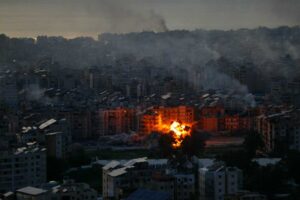
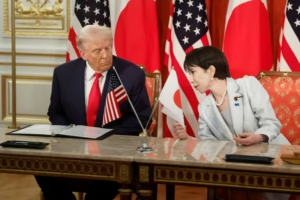
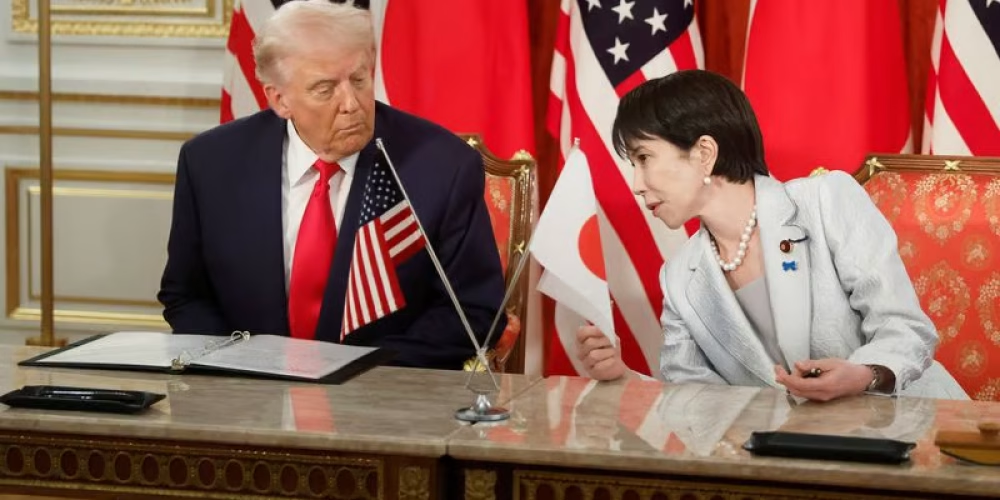
President Donald Trump hosted Japanese Prime Minister Shigeru Ishiba at the White House for a critical security summit. During the meeting, Trump requested that Japan take a more active role in the Middle East. He specifically asked for Japanese military support as the United States manages the conflict with Iran. This request signals a major shift in the expectations placed on the long-standing transpacific alliance.
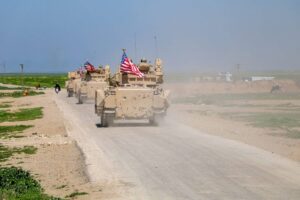
The American administration wants Japan to contribute naval assets to protect the Strait of Hormuz. This maritime corridor remains essential for global energy security and Japan’s own oil imports. Trump emphasized that the burden of regional security should be shared more equally among wealthy allies. He suggested that Japan’s maritime self-defense forces are well-equipped to assist in these international escort missions.
Prime Minister Ishiba responded to the request with visible caution during the joint press conference. Japan operates under a constitution that strictly limits the use of its military for overseas combat. Any direct involvement in the Iran conflict would require complex legal changes and parliamentary approval. Public opinion in Japan also remains deeply divided over sending troops into active war zones.
The two leaders discussed the broader implications of the conflict on the global economy. Both nations worry that prolonged fighting could disrupt supply chains and cause energy prices to soar. Trump argued that a stronger combined presence would deter further aggression from Iranian forces. He believes that a united front is the only way to ensure lasting stability in the region.
The discussions also covered the rising tensions in the Indo-Pacific region. Japan remains concerned that a distraction in the Middle East might embolden other regional rivals. Ishiba noted that Japan must maintain sufficient defensive strength closer to home. Balancing these competing security priorities will be a major challenge for the Japanese government in the coming months.
Economic trade issues also featured prominently during the high-level talks. Trump linked military cooperation with future trade benefits between the two powerful economies. He hinted that allies who contribute more to collective defense might receive more favorable commercial terms. This approach reflects the administration’s focus on reciprocal relationships in both security and finance.
No formal agreement was reached regarding the specific number of ships or personnel Japan might send. Ishiba promised to study the request thoroughly and consult with his cabinet members. The diplomatic teams from both countries will continue to negotiate the details of this potential cooperation. The outcome of these talks will define the future of the U.S.-Japan security partnership.