KEY POINTS
- Tropical Cyclone Narelle intensified into a massive category five storm over the Coral Sea on Thursday.
- Forecasters expect the system to make landfall on Friday morning near Coen as a severe category four.
- Authorities warn of destructive winds reaching 225km/h alongside heavy rainfall and significant storm surges.
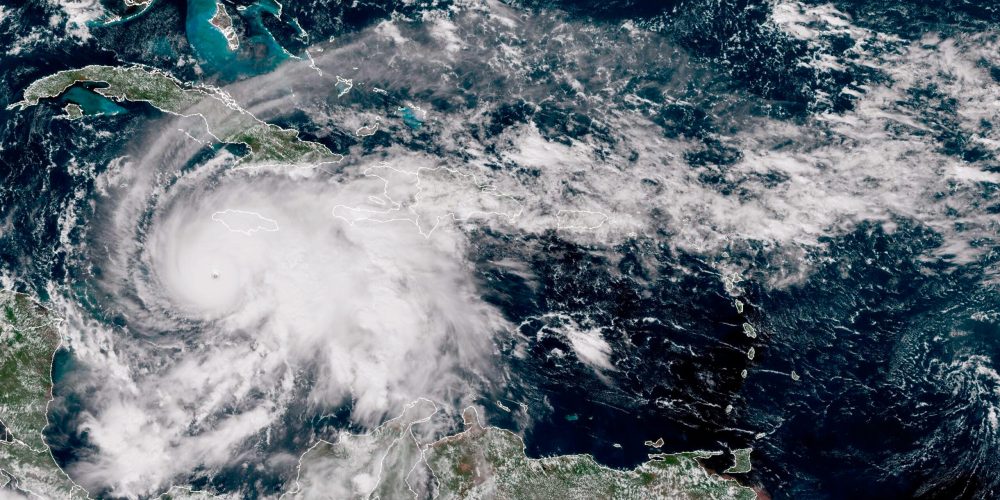
Northern Australia is currently bracing for what officials call a historic weather event. Severe Tropical Cyclone Narelle is moving swiftly toward the far north Queensland coast. The system rapidly intensified into a category five storm on Thursday morning while still offshore.
Current projections suggest the cyclone will strike the Cape York region on Friday morning. While it reached the highest possible intensity over the ocean, it may weaken slightly before hitting land. Experts anticipate the storm will be a category four at the time of landfall.
This classification still carries extreme risks for coastal and inland communities. Wind gusts could exceed 225km/h near the center of the system. Such speeds are capable of causing major structural damage and destroying vegetation.
The town of Coen appears to be directly in the path of the storm’s core. Local residents are spending the final hours before landfall securing their homes and stocking up on supplies. Shipping companies have already halted deliveries of food and fuel to remote Cape York depots.
Queensland Premier David Crisafulli addressed the public regarding the severity of the approaching system. He noted that Narelle could be the most powerful cyclone in living memory for these regions. The Premier urged all residents to take the government’s safety warnings seriously.
Emergency services have already deployed additional resources to the northern parts of the state. Several schools have closed their doors to ensure the safety of students and staff. Evacuations have also taken place at high-risk locations, including the luxury resort on Lizard Island.
Meteorologists attribute the storm’s rapid growth to record-high sea surface temperatures in the Coral Sea. These warm waters acted as a fuel source for the system’s development. Climate scientists noted that while cyclones are common, the intensity of this event is rare.
Beyond destructive winds, the storm brings the threat of massive rainfall. Some areas could receive up to 450mm of rain in a single day. This creates a high risk of flash flooding in regions where the ground is already wet.
The timing of the landfall adds another layer of danger to the situation. Narelle is expected to cross the coast during a high tide. This combination could result in life-threatening storm surges and significant coastal erosion.
After crossing the Queensland coast, the system will likely continue its westward path. Forecasters expect it to move over the Gulf of Carpentaria toward the Northern Territory. It could remain a significant cyclone during its second landfall later in the weekend.
Local police have warned residents against going outside to document the storm’s impact. Flying debris at high speeds poses a lethal threat to anyone caught outdoors. Authorities continue to monitor the storm’s trajectory as conditions change.