KEY POINTS
- Global child mortality reached a record low in 2024 with an estimated 4.9 million deaths among children under the age of five.
- Despite the overall decline in fatalities, the United Nations warns that progress remains fragile due to increasing threats from conflict and climate change.
- Sub-Saharan Africa and Southern Asia continue to bear the heaviest burden, accounting for the vast majority of early childhood deaths worldwide.
A new report released by the United Nations Inter-agency Group for Child Mortality Estimation reveals that the number of children dying before their fifth birthday has reached a historic low. In 2024, approximately 4.9 million children under the age of five lost their lives, marking the first time this figure has fallen below the five-million threshold. This milestone reflects decades of sustained global investment in basic healthcare, nutrition, and preventative medicine. Since the beginning of the millennium, the global under-five mortality rate has been reduced by more than half, signaling significant success in international public health initiatives.
The data suggests that expanded access to essential health services has been the primary driver of this downward trend. Improvements in maternal healthcare, increased immunization coverage, and better management of common childhood illnesses like pneumonia and diarrhea have saved millions of lives. Furthermore, investments in clean water and sanitation infrastructure in developing regions have significantly reduced the spread of preventable infections. These gains demonstrate that when governments and international agencies prioritize primary care, the biological vulnerability of early childhood can be effectively managed.
However, the United Nations cautioned that these achievements are distributed unevenly across the globe. Children born in sub-Saharan Africa are still significantly more likely to die young compared to those born in higher-income regions. In fact, many countries in this area and Southern Asia are currently not on track to meet the Sustainable Development Goals related to child survival. The report emphasizes that a child’s chance of survival remains heavily dependent on their place of birth and the economic status of their family. This persistent gap highlights a critical need for targeted interventions in the world’s most vulnerable communities.
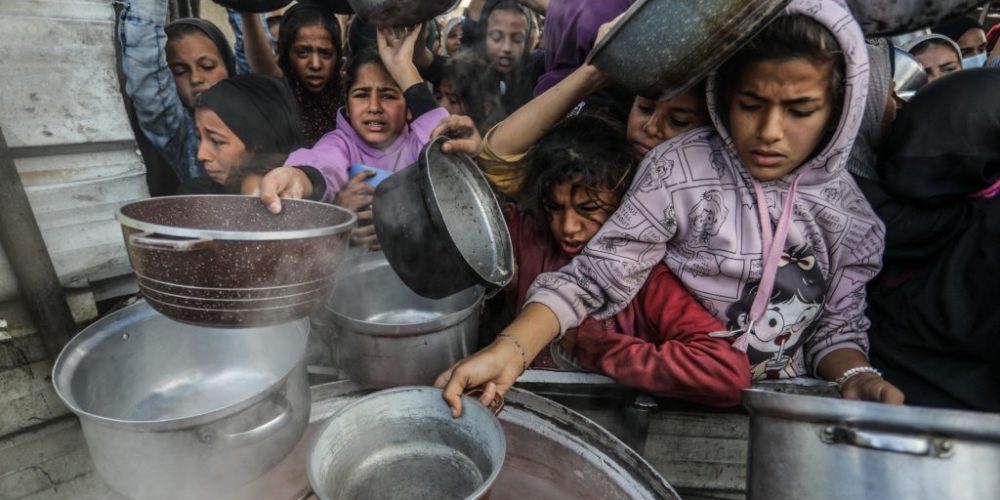
Current global instability poses a major threat to maintaining this progress. The report identifies armed conflict and the escalating effects of climate change as primary “headwinds” that could reverse recent gains. In areas affected by war, healthcare systems often collapse, leaving children without access to life-saving treatments or routine vaccinations. Similarly, extreme weather events and shifting agricultural patterns lead to food insecurity, which contributes to malnutrition and weakened immune systems. Without addressing these systemic issues, the UN warns that millions of future deaths remain a high risk.
Neonatal mortality, which refers to deaths within the first 28 days of life, remains a particularly difficult challenge. While deaths in older children have seen a sharper decline, the risks during the first month of life have proven more resistant to general healthcare improvements. Solving this issue requires specialized equipment and highly trained medical staff available during childbirth and the immediate postpartum period. The report advocates for a shift in focus toward high-quality facility-based care to ensure that newborns receive the intensive support necessary during their most fragile stage of development.
Economic disparities also play a role in the effectiveness of health programs. In many low-income nations, out-of-pocket costs for medical care prevent families from seeking help until a child’s condition becomes critical. The United Nations suggests that achieving universal health coverage is an essential component of the strategy to eliminate preventable child deaths. By removing financial barriers, countries can ensure that even the poorest citizens have access to the same life-saving interventions as the wealthy. This egalitarian approach to medicine is seen as the only way to reach the most isolated populations.
Looking ahead, the international community faces a choice between complacency and renewed commitment. While the 2024 figures are a cause for celebration, the loss of nearly five million lives remains a profound tragedy, especially since most of these deaths are preventable with existing technology. The report serves as both a scorecard of past successes and a roadmap for future action. If current trends can be accelerated through increased funding and political will, many more millions of children can be given the opportunity to grow into adulthood.