KEY POINTS
- President Trump has repeatedly and publicly criticized Prime Minister Sir Keir Starmer over the UK’s level of military support.
- UK officials dispute Trump’s account of private negotiations, specifically denying requests were made for aircraft carriers.
- Starmer remains confident in his decision to limit involvement, citing international law and historical lessons from the Iraq War.
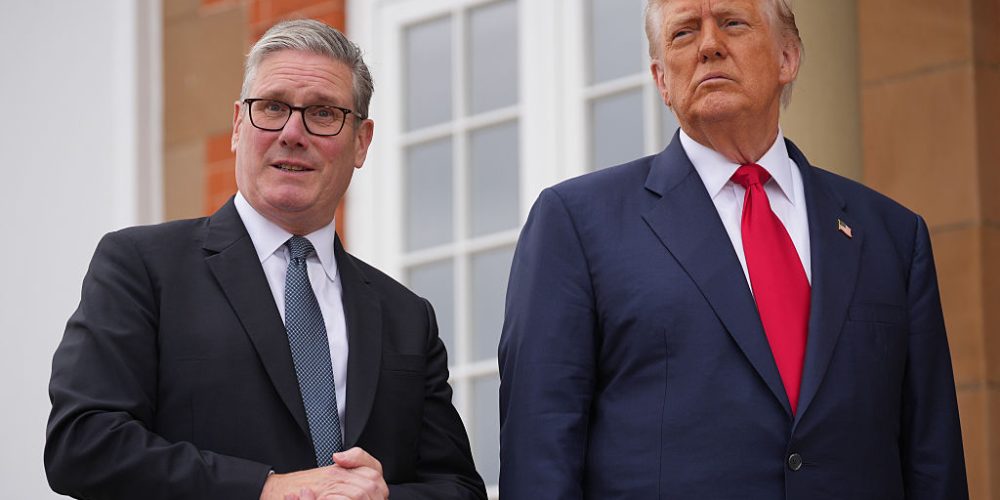
The diplomatic relationship between 10 Downing Street and the White House has hit a significant rough patch following a series of unprompted verbal attacks by President Trump. Over the last several days, the President has used nearly every media appearance to air grievances against the British Prime Minister. Trump notably claimed the UK has fallen from being a “Rolls-Royce of allies” to a hesitant partner, implying that Starmer is incapable of making firm decisions without extensive consultation.
While the public friction is awkward for the Prime Minister, the situation is not entirely negative for his standing at home. A significant dispute over the facts of their private conversations has emerged. Sources within Whitehall suggest that the President has misrepresented the details of their high-level calls. For instance, British officials flatly deny that there was ever an official request or an offer to deploy UK aircraft carriers to the Gulf.
According to British sources, the US has made exactly three formal requests to the UK during this crisis. The first, a request to use British airfields for offensive strikes, was rejected by London. The second, using those same bases for defensive purposes during Iranian retaliatory strikes, was approved. The third request involves ongoing negotiations regarding the maritime security of the Strait of Hormuz to protect global oil shipments.
Downing Street also pushed back against Trump’s characterization of Starmer as indecisive. Those close to the Prime Minister suggest that his “consultations” were actually necessary briefings with military experts and international allies to determine what actions were feasible. This cautious approach reflects Starmer’s personal convictions and his long-standing skepticism toward Middle Eastern interventions, dating back to his opposition to the Iraq War.
The Prime Minister’s current strategy appears to align with several powerful interests simultaneously. His focus on international law and his assessment that certain strikes were illegal resonate with the majority of Labour lawmakers. Furthermore, this restrained position matches the general mood of the British public, who are wary of being drawn into another protracted foreign conflict. This rare alignment of party sentiment and public opinion provides Starmer with significant domestic political cover.
However, the “elephant in the room” remains the President’s vocal and persistent displeasure. Trump’s tendency to repeat these criticisms suggests he is unlikely to move past the disagreement quickly. This setup ensures that the next face-to-face meeting between the two leaders will be a high-tension event watched closely by the international community.
Despite the pressure from Washington, Starmer remains convinced that he has chosen the only viable path. He continues to prioritize legal evidence and regional stability over the transactional demands of the White House. For now, the UK is holding its ground, even as its most important ally continues to broadcast his frustrations to the world.