KEY POINTS
- The Iranian football federation is in active talks with FIFA to move its scheduled matches.
- Officials cite logistical difficulties and visa concerns as the primary reasons for the request.
- Any change would require approval from the tournament organizing committees in Mexico and the US.
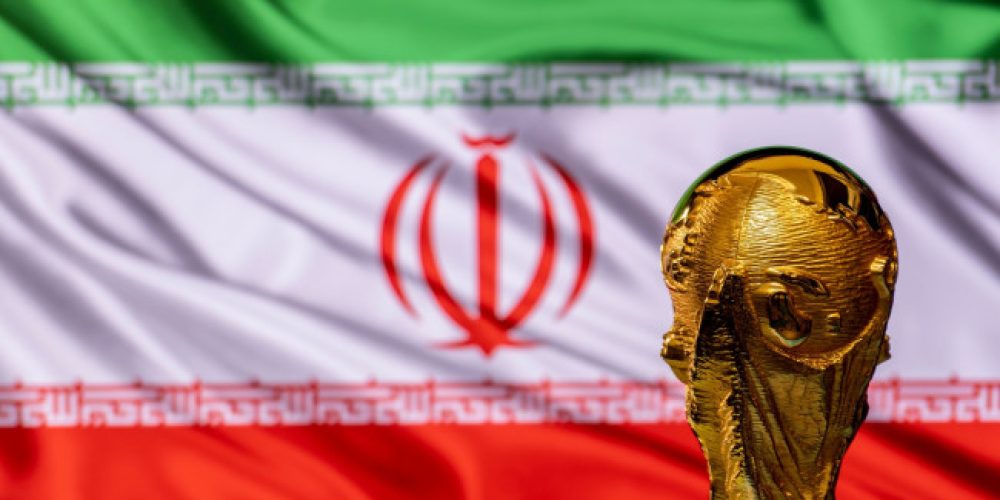
The head of the Iranian football federation has confirmed ongoing negotiations with FIFA regarding the upcoming World Cup. Iran is formally requesting to move its group stage fixtures to different host venues. The federation chief expressed a strong desire to play the team’s opening matches in Mexico or the United States. This move aims to address significant travel hurdles currently facing the national squad and its technical staff.
Logistical complications have made the original scheduling difficult for the Iranian delegation to navigate effectively. The federation cited concerns over international travel arrangements and the timely processing of entry visas for personnel. Moving the games to North American hubs could simplify these administrative processes for the players. It would also allow the team to establish a more stable training base during the tournament.
FIFA is currently reviewing the proposal to determine the feasibility of such a late adjustment. Relocating matches involves complex coordination with local organizers, stadium management, and broadcast partners. The governing body must also consider the impact on ticket holders who have already made travel plans. Official representatives have not yet indicated if a final decision is imminent.
The Iranian federation believes that playing in major North American cities would provide a better environment for their fans. Large diaspora communities in California and various parts of Mexico could offer significant support for the team. This local backing is seen as a vital component for the players’ morale during the group stages. The federation chief emphasized that the comfort and safety of the athletes remain the top priority.
Tournament organizers in Mexico and the United States would need to approve any venue changes within their borders. These cities are already preparing for a high volume of visitors and must manage strict security protocols. Adding or swapping fixtures would require a rapid reassessment of local resources and public transport capacity. Both host nations have expressed a general willingness to cooperate with FIFA on various tournament needs.
If approved, this relocation would mark a significant shift in the 2026 World Cup schedule. Other nations in Iran’s group would also need to adjust their logistics and scouting plans accordingly. Such a change would require a high degree of flexibility from all teams involved in the affected matches. The international football community is watching the situation closely as the tournament start date approaches.
Financial implications of a venue move are also being calculated by the organizing committees. Revenue from ticket sales and local tourism varies significantly between different host metropolitan areas. FIFA must ensure that any changes do not lead to a breach of contract with commercial sponsors or local governments. These economic factors often play a decisive role in the final determination of match locations.
The Iranian team continues its physical preparation while waiting for a definitive answer from the governing body. Players and coaches are focused on their training regimen despite the uncertainty surrounding their final destinations. The federation remains hopeful that a resolution will be reached before the end of the current month.