KEY POINTS
- FCC Chair Brendan Carr warns news outlets of potential permit cancellations for allegedly spreading misleading war coverage.
- The licensing threat specifically targets reporting on the United States’ military involvement and ongoing strikes in Iran.
- The regulatory warning aligns with social media complaints from the administration regarding unpatriotic press narratives.
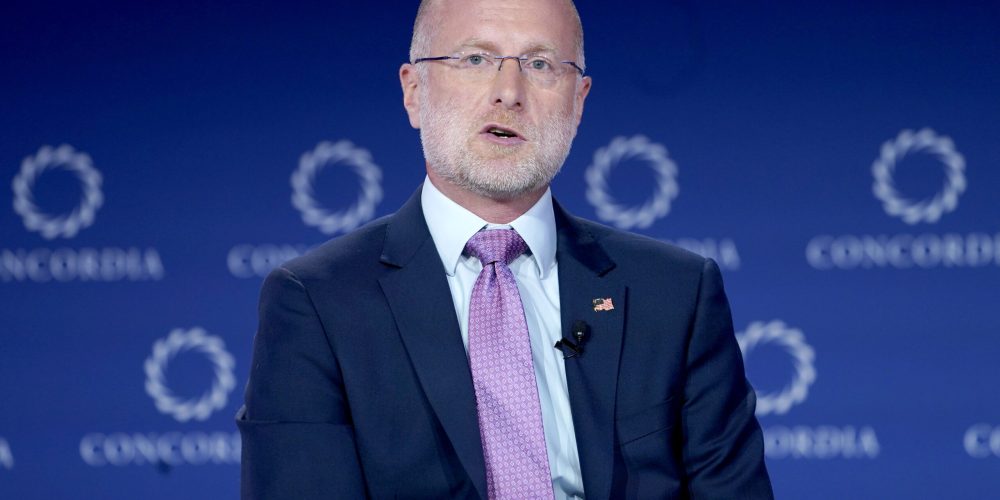
The Federal Communications Commission chair issued a stark warning to the American broadcast industry this weekend. Brendan Carr indicated that the government might revoke spectrum permits for mainstream news organizations. He accused these outlets of broadcasting hoaxes and news distortions. The official warning specifically addresses the media’s portrayal of the current war in Iran.
Carr utilized social media to deliver this message to the broadcasting community. He stated that networks running what he termed fake news have a limited window to change. He emphasized that these organizations must operate within the public interest to keep their licenses. The FCC oversees the airwaves used by commercial and non-commercial television and radio services.
The administration has expressed growing frustration with the national media for several weeks. Officials frequently label mainstream reporting as unpatriotic or intentionally misleading. This tension escalated following reports regarding American military assets in the Middle East. Recent stories about damaged tanker planes at a Saudi Arabian airport particularly angered the White House.
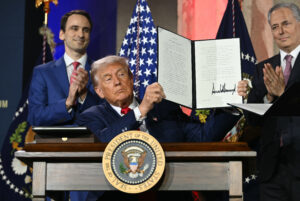
President Trump personally criticized major newspapers and broadcast networks on social media recently. He claimed that certain prominent publications actually want the United States to lose the war. The President argued that their reporting represents the opposite of factual events. He further alleged that these media organizations cause significant damage to the country.
The FCC chair echoed these sentiments by highlighting the public subsidies provided to broadcasters. He argued that the American people provide billions in value through free airwave access. Carr suggested that trust in legacy media has reached a record low. He believes the government should use its licensing authority to restore media accountability.
Defense officials have also joined the critique of the press corps. The Defense Secretary recently proposed alternative headlines that would better reflect military successes. He accused journalists of intentionally using headlines that portray the conflict as intensifying. The administration prefers narratives that suggest the opposition is growing desperate.
Legal experts and opposition officials have quickly pushed back against these licensing threats. Critics argue that the FCC lacks the power to seize licenses based on content disagreements. They claim such actions would directly violate First Amendment protections. Some describe the warnings as an attempt to intimidate the press into becoming a government mouthpiece.
Despite the legal hurdles, the administration continues to press for more favorable coverage. The licensing renewals for many stations will serve as a future flashpoint for this debate. For now, the conflict between the regulatory agency and the free press remains at a standstill.