

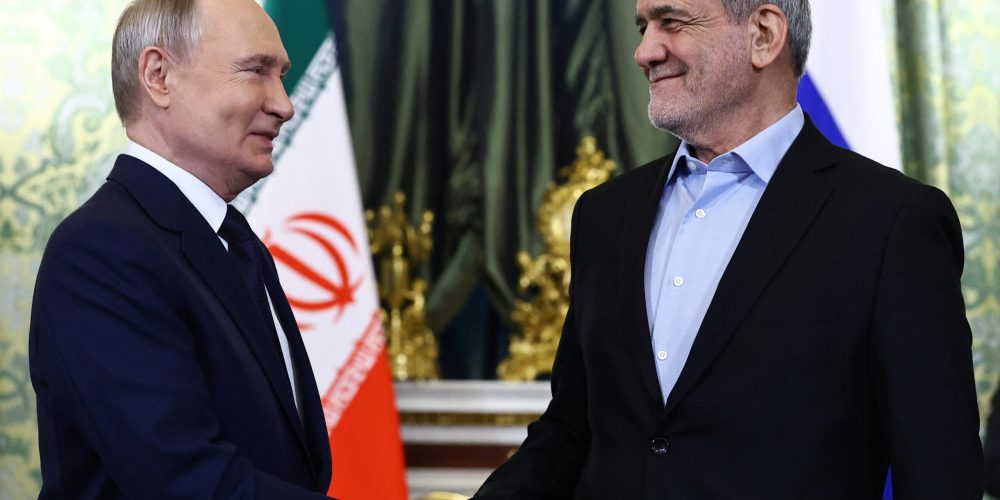
Western sanctions are driving Russia and Iran into closer cooperation across the global energy market, creating a new axis of oil and gas trade designed to counter U.S. and European pressure. Both nations face severe restrictions on their ability to sell crude, access international financing, and integrate with Western energy systems. As a result, they are building shared strategies to survive economically and maintain influence over global supply routes.
Iran and Russia now operate under some of the most extensive sanctions programs in the world. These measures limit technology imports, banking access, and partnerships with foreign energy companies. Despite this pressure, the two countries continue to increase their production and move their oil through alternative channels. They rely heavily on non-Western buyers, discount pricing, and opaque shipping networks.
Experts say this growing partnership allows both nations to sidestep sanctions more effectively. In recent months, they have strengthened transport links, expanded energy trade agreements, and discussed joint development of refining projects. Their cooperation also includes the use of “shadow fleets,” which move oil through routes designed to minimize detection. Some tankers use older vessels, obscure ownership structures, or disable tracking systems to avoid scrutiny.
Iran has long managed sanctions through a wide network of intermediaries, traders, and maritime workarounds. Russia adopted similar tactics after its energy exports faced increasing restrictions. Now, both countries share knowledge, shipping infrastructure, and buyer connections. By aligning their strategies, they reduce dependence on traditional markets and become more resilient to Western economic pressure.
However, this shift creates new challenges for global regulators. Efforts to enforce sanctions become harder when oil flows through multiple layers of intermediaries. Some shipments appear to come from unrelated countries, making origin verification difficult. Analysts warn that this undermines the effectiveness of sanctions and encourages a parallel market that operates outside established norms.
More Articles : Russia’s Yandex Reports Strong 32% Surge in Q3 Revenue Amid Tech Sector Challenges
The growing partnership also affects global energy prices. As Russia and Iran offer steep discounts, they compete for the same set of buyers—mainly in Asia. These lower-priced barrels can put pressure on global benchmarks, influencing revenue for other oil-producing nations. Some OPEC members quietly express concern that the discounted barrels could weaken their own pricing power.
Meanwhile, Western governments continue to monitor the situation closely. They argue that tighter enforcement tools are needed to stop sanction evasion. The U.S. and EU are exploring stricter maritime rules, enhanced financial tracking, and improved cooperation with countries along key shipping routes. Officials say the goal is not only to pressure Russia and Iran but also to prevent global actors from profiting off shadow networks.
Despite international scrutiny, both countries appear determined to deepen their partnership. For Moscow, the alliance offers an escape path as it tries to maintain export levels amid shrinking Western demand. For Tehran, increased cooperation provides economic lifelines as it faces renewed pressure over its nuclear program and regional activities.
As sanctions evolve, Russia and Iran are likely to continue expanding their joint energy strategies. Their growing alignment marks a major shift in global oil flows, with long-term consequences for energy security, market stability, and international geopolitics.









