KEY POINTS
- Georgia and Ohio lawmakers introduced new legislation aimed at tightening state election security protocols.
- Republican leaders expressed support for the measures to ensure voter confidence ahead of upcoming cycles.
- Democratic representatives criticized the proposals, arguing the changes could limit access for certain voter groups.
Legislative activity centered on election reform dominated the political landscape in Georgia and Ohio on Wednesday. Republican lawmakers in both states moved forward with several proposals designed to overhaul current voting procedures. These developments come amid a broader national debate regarding the balance between security and accessibility.
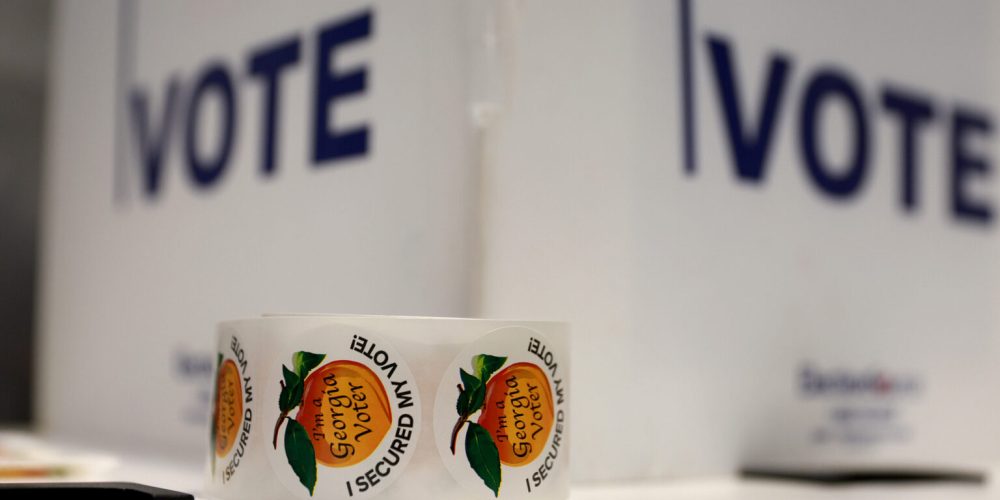
In Georgia, a state house committee approved a bill that would implement stricter identification requirements for mail-in ballots. The legislation also seeks to limit the number of ballot drop boxes available in high-population areas. Supporters of the bill argue that these steps are necessary to prevent potential fraud. They believe uniform standards across all counties will simplify the auditing process.
Ohio lawmakers followed a similar path by introducing a measure to shorten the window for returning absentee ballots. The proposed law would require all ballots to arrive at election offices by the time polls close on election night. Currently, the state allows a grace period for ballots postmarked by a certain date. Proponents claim this change will allow for faster and more transparent reporting of final results.
Democratic officials and voting rights advocates reacted quickly to the legislative moves in both states. They argued that the new restrictions would disproportionately affect students and elderly voters. Opponents expressed concern that shorter deadlines and fewer drop boxes could create unnecessary barriers to participation. They have pledged to challenge the constitutionality of the measures if they are signed into law.
The debate has also sparked discussions within the national Republican party. Many leaders see these state-level changes as a model for federal policy improvements. They emphasize that maintaining the integrity of the ballot box is a fundamental responsibility of local government. This focus on election law has become a central pillar of the party’s platform heading into the next year.
While the bills move through the committee stages, local election officials are weighing the practical implications. Some county administrators expressed concerns regarding the costs associated with implementing new technology and training. They noted that significant changes to the system require ample lead time to ensure smooth operations.
National political observers suggest these developments could influence voter turnout strategies in the near future. Both major parties are already analyzing how the proposed rules might shift the electoral map. The outcome of these legislative battles will likely set the tone for political campaigns throughout 2026.
As the week continues, more states are expected to take up similar election-related measures. The White House has monitored these proceedings closely as part of its broader interest in civil rights and governance. The final votes in the Georgia and Ohio legislatures are expected later this month.