KEY POINTS
- Joint military forces launched the first major strikes against Iranian oil refineries and fuel depots.
- Iran’s Assembly of Experts officially named Mojtaba Khamenei as the new Supreme Leader.
- Global oil prices spiked past $100 per barrel as regional instability threatens energy exports.
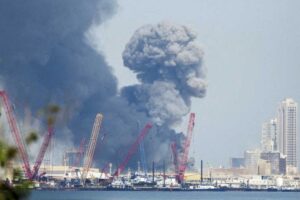
The joint military operation by the United States and Israel against Iran entered its ninth day on Sunday with a significant escalation in target selection. For the first time since the campaign began on February 28, air strikes focused heavily on Iran’s energy infrastructure. Reports confirm that several major fuel storage sites and refineries in Tehran and the neighboring Alborz province were hit.
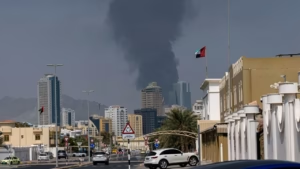
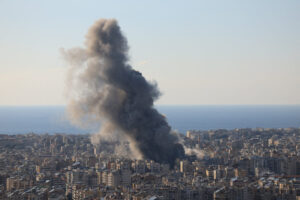
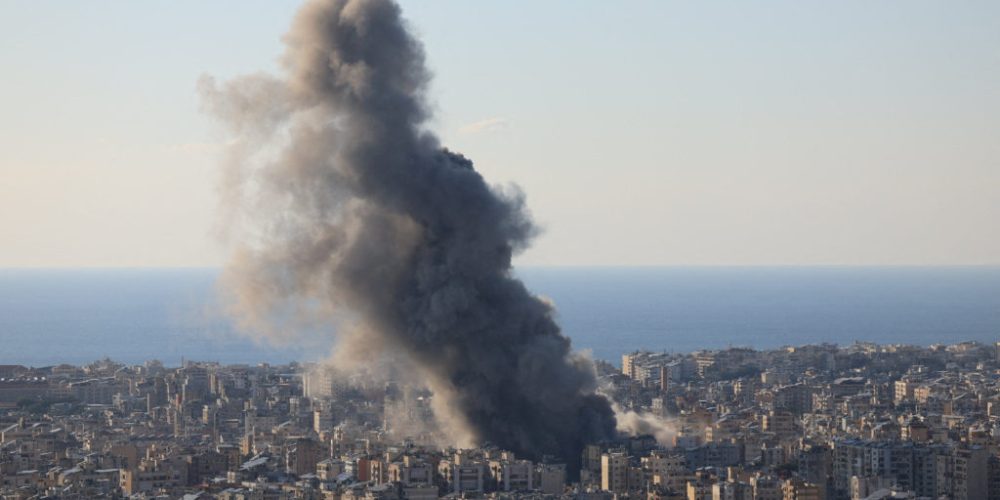
The bombardment set ablaze at least four oil storage facilities, including the Shahran depot on the outskirts of the capital. Witnesses in Tehran reported seeing thick plumes of black smoke rising over the skyline throughout the day. Iranian state media described the incident as a coordinated attack from the American and Israeli regimes aimed at paralyzing national resources.
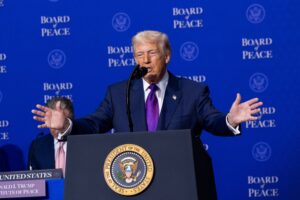
This strategic shift has caused immediate ripples in the global economy. Brent crude oil prices surged by more than 20 percent on Sunday, eclipsing the $100 per barrel mark for the first time in years. Analysts warn that continued strikes on energy production could drive prices even higher. Despite the market volatility, President Donald Trump stated that the economic cost is a necessary trade-off for global safety.
In the midst of the ongoing conflict, Iran has also moved to stabilize its internal leadership. The Assembly of Experts announced that Mojtaba Khamenei, the son of the late Ali Khamenei, has been selected as the country’s new Supreme Leader. The Revolutionary Guard Corps immediately pledged their complete allegiance and obedience to the new head of state.
Casualty figures continue to rise on both sides as the fighting spreads across the Middle East. Estimates suggest that over 1,300 people have been killed in Iran since the war began. Meanwhile, Lebanon’s health ministry reported nearly 400 deaths resulting from related Israeli strikes in their territory. Human rights organizations have raised concerns over civilian impacts, particularly following a strike on a school in southern Iran.
Iran has responded to the energy strikes with its own wave of retaliatory measures. Military officials launched ballistic missiles and drones targeting locations in Israel and several neighboring Gulf states. Reports of interceptions or impacts came from Bahrain, Kuwait, and Saudi Arabia as the regional fallout widens.
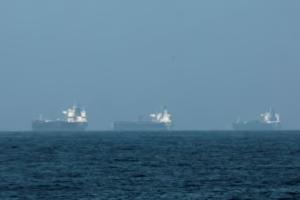
Despite the intensity of the air campaign, the Iranian military confirmed that the Strait of Hormuz remains open for now. However, they issued a stern warning that any American or Israeli vessels attempting to pass would be targeted. The US Navy maintains a heavy presence in the area to secure international shipping lanes.
Diplomatic efforts appear stalled as the US continues to demand an unconditional surrender from Tehran. President Trump emphasized that Washington is not currently looking to settle with the Iranian government. He signaled that the military campaign will likely continue until the administration’s specific security objectives are met.