KEY POINTS
- Oman authorities restricted private jet traffic at Muscat International Airport starting Sunday.
- The official notice cited high traffic and parking limitations for the sudden policy change.
- General aviation flights now face strict landing bans during peak daylight hours
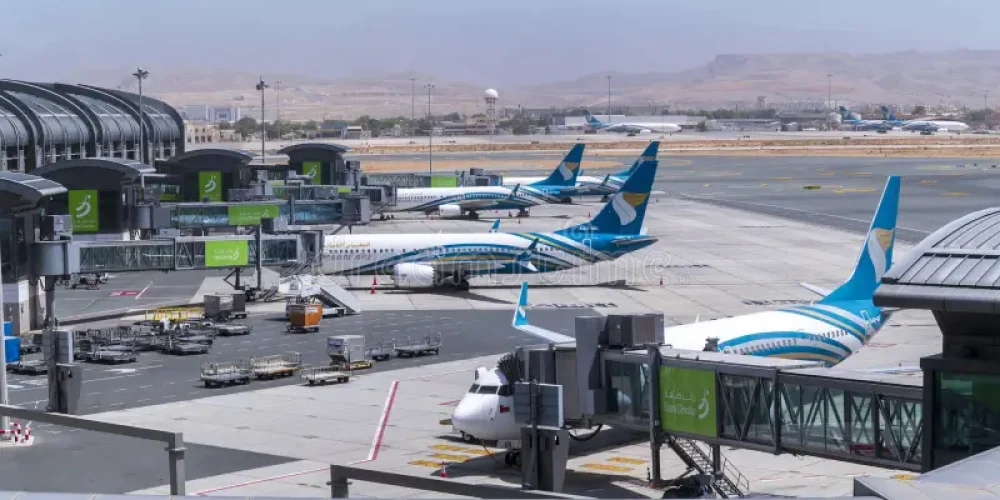
Authorities in Oman have implemented significant new restrictions on private aviation at Muscat International Airport. The decision arrived via an official electronic communication sent to flight operators this weekend. These changes impact how private jets access the country’s primary aviation hub effective immediately.
Airport management cited a massive surge in air traffic for the new limitations. Recent data shows a substantial increase in scheduled commercial flights and seasonal travel. This growth has strained the existing infrastructure at the capital’s main airport.
The new rules specifically target non-scheduled general aviation and private business jets. Officials noted that available parking spaces for smaller aircraft have reached maximum capacity. This congestion threatens to disrupt the efficiency of larger commercial airline schedules.
Under the new guidelines, private jets cannot land during specific high-traffic windows. The ban remains active for several hours during the busiest parts of the day. Operators must now coordinate their arrivals during late-night or early-morning periods.
The communication warned that any unauthorized flights might face diversions to secondary airfields. These alternative locations may not offer the same level of luxury services as Muscat. This move could complicate travel plans for high-net-worth individuals and business executives.
Local aviation experts suggest the timing aligns with a busy regional events calendar. Many travelers use private jets to attend high-level meetings and tourism activities in the Gulf. The sudden restriction highlights the growing pains of Oman‘s expanding aviation sector.
Oman Airports, the state-owned management company, emphasized the need for operational safety. Managing a mix of giant commercial jets and small private planes requires precise timing. When parking is full, the risk of ground delays increases for all passengers.
The government has invested heavily in Muscat International Airport over the last decade. They designed the modern terminal to handle millions of travelers annually. However, the private aviation segment has grown faster than some infrastructure segments anticipated.
International flight planning agencies have already begun notifying their global clients of the change. They advise checking for updated slots before departing for the Omani capital. These agencies expect the restrictions to remain in place until the traffic volume stabilizes.
Travelers should expect these rules to remain fluid as the airport monitors daily operations. The authorities did not provide a specific end date for the current flight limitations. This suggests the measures will stay until parking expansion or traffic reductions occur.