KEY POINTS
- President Donald Trump stated he will not prioritize gasoline price stability over current military objectives in Iran.
- The administration remains committed to its Middle East strategy despite warnings of a global energy supply shock.
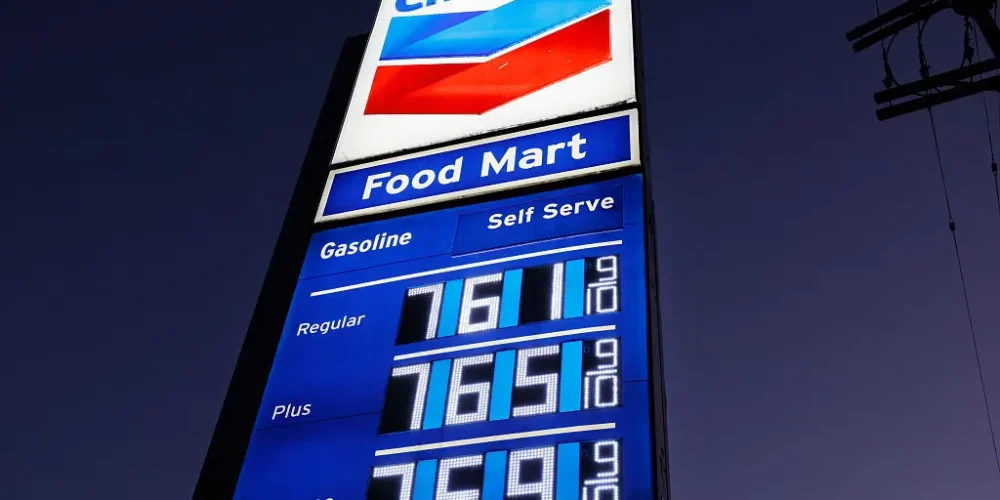
- Domestic fuel prices have climbed significantly since the start of the aerial campaign against Iranian targets.
President Donald Trump addressed the American public on Thursday regarding the economic impact of the ongoing conflict with Iran. During a press briefing, the President was questioned about the rapid increase in domestic gasoline prices. He responded by indicating that his administration would not let high fuel costs dictate national security policy. The President suggested that the mission to neutralize regional threats takes precedence over short-term market fluctuations.
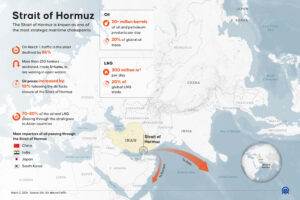
Energy markets have reacted sharply to the sustained military strikes and the closure of key shipping lanes. Crude oil prices reached their highest levels in years as traders weighed the risk of a prolonged disruption. Many analysts warn that a total halt of exports through the Strait of Hormuz could trigger a global recession. Despite these economic pressures, the White House maintains that the current military course is necessary for long-term stability.
The President expressed a blunt perspective on the potential for further price hikes at the pump. He noted that while high energy costs are difficult for consumers, they are a secondary concern during wartime. This stance represents a significant shift from typical political rhetoric regarding the importance of low gas prices. Administration officials believe that American energy independence will eventually help mitigate the worst effects of the crisis.
Opponents in Congress have raised alarms about the impact of these rising costs on the average American household. Some lawmakers are calling for a temporary suspension of federal fuel taxes to provide immediate relief. They argue that the administration must find a way to balance its foreign policy goals with domestic economic health. However, the President has shown little interest in altering his strategy to appease these concerns.
The Department of Energy is reportedly monitoring the Strategic Petroleum Reserve for potential emergency releases. Such a move could temporarily lower prices by increasing the available supply of crude oil. However, the White House has not yet committed to a specific timeline for utilizing these national stockpiles. For now, the administration is urging the public to remain resilient as the military operation continues.
Logistics experts note that the increased cost of transportation is already affecting the price of consumer goods. High diesel and jet fuel prices are being passed down through the global supply chain to end-users. This inflationary pressure could complicate the broader economic recovery if the conflict persists through the spring. Businesses are adjusting their budgets to account for the most volatile energy market seen in over a decade.
International allies are also feeling the strain of the rising energy costs caused by the regional instability. Several European nations have requested coordinated action to stabilize the global market and protect their economies. The Trump administration continues to consult with these partners but remains firm on its military priorities. The President reiterated that the primary goal is a decisive victory that secures American interests for the future.
As the conflict enters its next phase, the disconnect between military action and economic stability remains a major talking point. The White House believes that the American public will support the mission despite the financial burden. Whether this confidence holds will likely depend on the duration and ultimate success of the operations in Iran. For the time being, the administration is prepared to weather the political fallout of expensive energy.