KEY POINTS
- Beijing is holding urgent discussions with Tehran to ensure Chinese tankers can navigate the Strait of Hormuz.
- The diplomatic push follows recent maritime disruptions that have threatened global oil and gas supply chains.
- China aims to protect its critical energy imports while maintaining a neutral stance in regional Middle East conflicts.
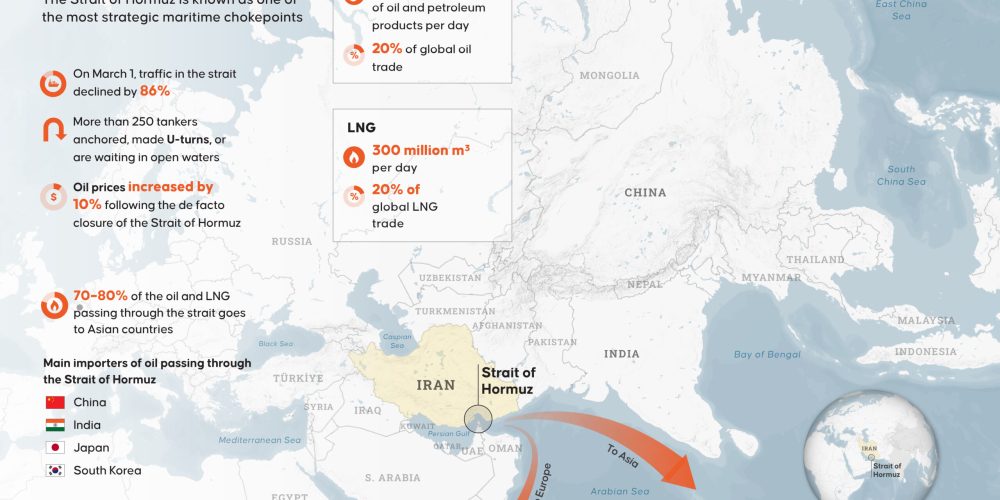
Chinese officials have entered high-level negotiations with Iran to secure the passage of energy shipments through the Strait of Hormuz. Sources familiar with the matter indicate that Beijing seeks formal guarantees for its commercial vessels. The Strait remains one of the most vital maritime chokepoints in the world for global oil and gas trade. Recent military escalations in the region have raised significant fears regarding the safety of merchant shipping.
China relies heavily on energy imports from the Middle East to power its massive industrial economy. Any prolonged disruption in the Strait of Hormuz could lead to significant domestic fuel shortages and economic cooling. Government representatives are reportedly emphasizing their long-standing economic partnership with Tehran to secure these protections. Beijing hopes that its status as a major buyer of Iranian energy will provide necessary leverage.
The discussions come at a time of heightened regional instability involving multiple international actors. Several tankers have recently reported close encounters or threats while navigating the narrow waterway. China has historically avoided direct military intervention in Middle Eastern disputes, preferring diplomatic and economic solutions. This current strategy aligns with their broader goal of ensuring energy security without increasing their military footprint.
Maritime insurance costs for vessels operating in the Persian Gulf have spiked in recent weeks. This financial pressure has forced many shipping companies to reconsider their routes or seek government protection. By securing a deal with Iran, China could potentially lower these costs for its state-owned enterprises. Such an agreement would provide a competitive advantage for Chinese shipping firms during this period of crisis.
International observers are monitoring these talks closely to see how they impact global energy markets. A successful negotiation could provide a blueprint for other nations seeking to protect their trade interests. However, some analysts warn that carve-outs for specific countries might complicate broader international efforts to secure the waterway. The United States and its allies continue to maintain a naval presence in the area to deter potential attacks.
Iran has previously used its influence over the Strait of Hormuz as a tool for geopolitical bargaining. The Iranian government often asserts its right to police the waters adjacent to its coastline. By engaging directly with Beijing, Tehran may be looking to strengthen its ties with its most important economic ally. This relationship remains a critical lifeline for Iran amidst ongoing international sanctions.
The outcome of these talks will have lasting implications for the stability of global energy prices. If China successfully secures safe passage, it could prevent a dramatic surge in crude oil costs. Conversely, a failure to reach an agreement might force Beijing to seek more expensive alternative energy sources. The world remains focused on the results of this delicate diplomatic balancing act.