KEY POINTS
- Leading environmental scientists state that England possesses sufficient technical expertise to prevent catastrophic flooding but lacks the necessary long-term financial commitment.
- Current government spending remains focused on reactive emergency repairs rather than proactive, nature-based infrastructure projects.
- A coalition of hydraulic engineers is calling for a consistent, ring-fenced national flood defense budget to protect high-risk communities.
The United Kingdom is currently facing a critical juncture in its battle against seasonal flooding, with a new report highlighting a significant disconnect between technical capability and financial resources. According to a group of the nation’s foremost environmental experts, the persistent damage caused by rising river levels in England is not a result of a knowledge deficit. Instead, they argue that a chronic lack of sustained funding is preventing the implementation of proven strategies that could safeguard thousands of homes and businesses from the impacts of extreme weather.
For years, the approach to water management has been criticized for being overly reactive. When a major storm hits, emergency funds are often released to repair breached defenses and clear debris. However, specialists in the field suggest that this “sticking plaster” approach is far more expensive in the long run than investing in preventative measures. By the time a flood occurs, the economic cost in terms of property damage and insurance claims often dwarfs the amount of money required to have prevented the disaster in the first place.
The expertise available within England spans various disciplines, from traditional civil engineering to innovative “rewilding” and nature-based solutions. These experts advocate for a more holistic management of the landscape, such as restoring peatlands and planting millions of trees in upland areas to slow the flow of water into river systems. While these projects have been successfully piloted on a small scale, they require a level of guaranteed, multi-year funding that currently does not exist within the national budget framework.
One of the primary hurdles identified by the report is the competitive nature of flood defense grants. Local authorities often find themselves bidding against one another for a limited pool of resources, leading to a fragmented defense system where some areas are well-protected while neighboring communities remain at high risk. Engineers argue that water does not respect administrative boundaries, and a national, catchment-wide funding strategy is the only way to ensure comprehensive protection for the entire country.
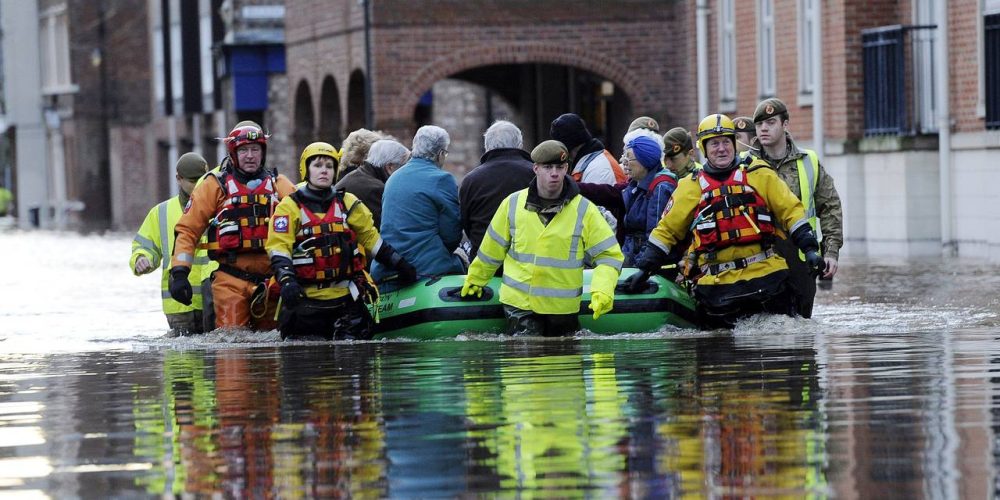
The human cost of this funding gap is becoming increasingly apparent. Residents in flood-prone regions describe a state of constant anxiety during the winter months, with many unable to secure affordable home insurance due to the frequency of past events. Experts warn that as climate patterns continue to shift, the intensity and frequency of these storms will only increase. Without a fundamental shift in how the government allocates its environmental budget, the gap between the protection needed and the protection provided will continue to widen.
As the debate over the next national budget intensifies, the message from the scientific community is clear: the solutions are ready, and the experts are waiting. The bottleneck is purely financial. By prioritizing a consistent and substantial investment in the nation’s water infrastructure, the government could move from a cycle of crisis management to one of resilience. Protecting the English countryside from the next great flood is entirely possible, provided the political will to fund the necessary experts is finally realized.