KEY POINTS
- The number of Chinese military flights entering Taiwan’s air defense zone dropped significantly over the past 24 hours.
- Defense analysts suggest the decrease may signal a temporary de-escalation prior to a high-level meeting.
- President Donald Trump and Chinese leader Xi Jinping are reportedly preparing for a potential diplomatic summit.
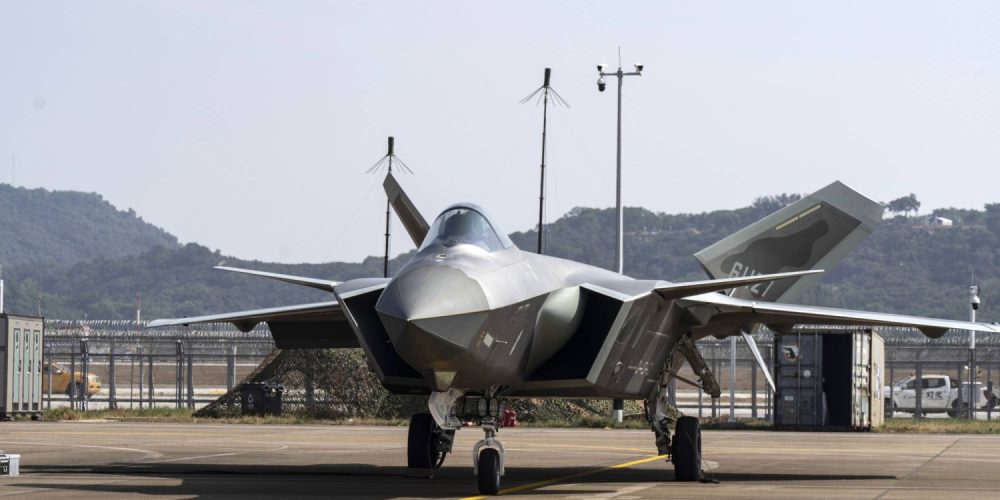
Recent data from Taiwan’s defense ministry indicates a notable reduction in Chinese military aviation activity around the island. For several months, the region has experienced high frequencies of incursions by the People’s Liberation Army. However, the latest reports show only a handful of aircraft operating near the sensitive median line. This sudden change in operational tempo has caught the attention of international security observers.
Many geopolitical experts believe the lull is linked to shifting diplomatic conditions between Washington and Beijing. Reports suggest that President Donald Trump and Chinese President Xi Jinping may meet for a high-stakes summit soon. A decrease in military posturing often precedes such high-level engagements to create a more favorable environment for dialogue. Both nations appear to be testing the waters for a possible cooling of regional tensions.
Despite the drop in air activity, Taiwan remains on high alert and continues to monitor maritime movements. Several Chinese naval vessels were still detected in the waters surrounding the island during the same period. The Taiwanese government maintains that consistent vigilance is necessary regardless of daily fluctuations in flight numbers. They have urged Beijing to permanently cease provocative actions to ensure long-term stability in the strait.
In Washington, administration officials have expressed a cautious interest in reopening more direct lines of communication. The Trump administration has balanced firm trade and security policies with a stated desire for direct negotiation. Analysts suggest that a successful summit could lead to new frameworks for managing competition in the Pacific. However, many remain skeptical that a single meeting can resolve deeply rooted territorial and ideological differences.
Beijing has not officially confirmed a direct link between the flight numbers and the potential diplomatic talks. Official statements from China generally characterize such military exercises as routine training and sovereignty protection. However, the timing of the reduction aligns closely with the arrival of senior diplomatic envoys in both capitals. This coordination suggests a deliberate effort to manage optics before the world stage.
The international community is watching the situation closely as any shift in the Taiwan Strait impacts global trade. Many European and Asian allies have called for restraint and a return to peaceful cross-strait relations. The current decline in military flights provides a rare moment of relative calm in a typically volatile area. Shipping companies and airlines operating in the region are monitoring the situation for potential safety improvements.
For the Taiwanese public, the decrease in daily military alerts offers a brief reprieve from constant security concerns. Political leaders in Taipei are debating how to best position the island’s interests during any U.S.-China negotiations. They want to ensure that Taiwan’s security remains a priority for its primary Western partners. The next few weeks will be critical in determining if this trend is a permanent shift or a temporary pause.
Military planners note that flight patterns can change rapidly based on internal political decisions or weather conditions. They warn against over-interpreting a single day of data as a long-term strategic change. However, the convergence of military data and diplomatic rumors continues to fuel hope for a de-escalation. The global spotlight remains fixed on the upcoming diplomatic schedule for both world leaders.