KEY POINTS
- Massive aerial strikes hit multiple Iranian military targets and infrastructure hubs across the capital.
- Local citizens report widespread fear and confusion as the scale of destruction becomes visible.
- Public demonstrations remain absent despite the escalating external conflict and rising internal pressure.
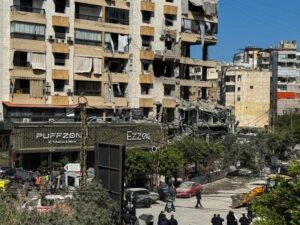
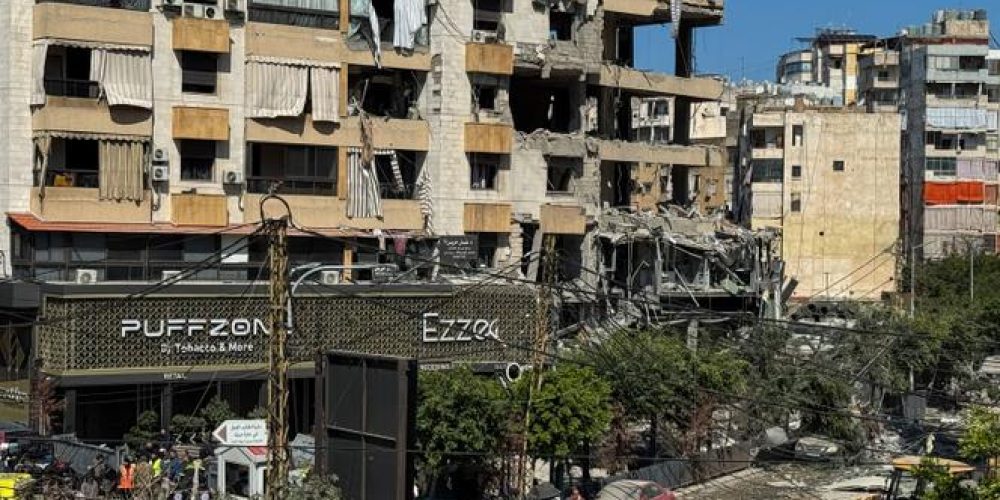
The Iranian capital of Tehran experienced a night of unprecedented aerial bombardment on Tuesday. Multiple explosions rocked several districts as foreign military aircraft targeted high-value strategic sites. These strikes focused primarily on Revolutionary Guard facilities and logistical centers within the city limits. Massive plumes of black smoke rose above the skyline as dawn revealed the extent of the damage.
Residents in central Tehran described a scene of total chaos and intense terror during the raids. The sound of anti-aircraft fire and incoming missiles shattered the usual nighttime quiet of the metropolis. Many families spent hours huddled in basements or makeshift shelters to avoid the falling debris. Communication networks faced significant disruptions, leaving many people unable to contact their relatives in other provinces.
Despite the intensity of the external attacks, the streets of Tehran remain notably empty of protesters. Previous periods of high tension often triggered domestic unrest or public calls for government reform. However, the current atmosphere appears dominated by a mixture of shock and immediate survival instincts. The expected surge in civilian demonstrations has not materialized in the wake of the latest military escalation.
State media has limited its reporting to brief statements regarding the success of defensive measures. Officials claim that Iranian air defenses intercepted a significant portion of the incoming projectiles over the city. They have not yet released a verified count of casualties or specific details on destroyed buildings. This controlled narrative aims to maintain public order while the government evaluates its next strategic move.
The bombardment has caused severe damage to the city’s power grid and water distribution systems. Several neighborhoods are currently facing total blackouts as technicians struggle to reach damaged electrical substations. These utility failures add a layer of physical hardship to the psychological strain of the ongoing war. Long lines have formed at the few functioning fuel stations and grocery stores across the capital.
International observers are closely monitoring the lack of public response to the escalating crisis within Iran. Some analysts suggest that the sheer scale of the military threat has silenced internal political dissent. Others believe the government has increased its security presence to prevent any opportunistic gatherings during the chaos. For now, the Iranian leadership remains focused on managing the immediate military threat from abroad.
The regional implications of these strikes suggest a new and more dangerous phase of the conflict. This is the first time in decades that Tehran has faced such a sustained and direct aerial campaign. The lack of a clear ceasefire path has left the civilian population in a state of permanent anxiety. Every siren or loud noise now triggers an immediate panic across the crowded urban landscape.
As the smoke clears, the people of Tehran are left to reconcile with a shattered sense of security. The silence of the streets stands in stark contrast to the violence occurring in the skies above. The coming days will determine if this external pressure leads to further consolidation or eventual internal friction. For the moment, the city remains a somber landscape of ruined concrete and quiet streets.