KEY POINTS
- The Whole Earth Catalog founder shares his perspective on modern tech giants like Elon Musk and Jeff Bezos.
- Brand reflects on his influential career spanning from the counterculture era to the current digital age.
- The interview explores the concept of long-term thinking as a solution to global environmental and societal issues.
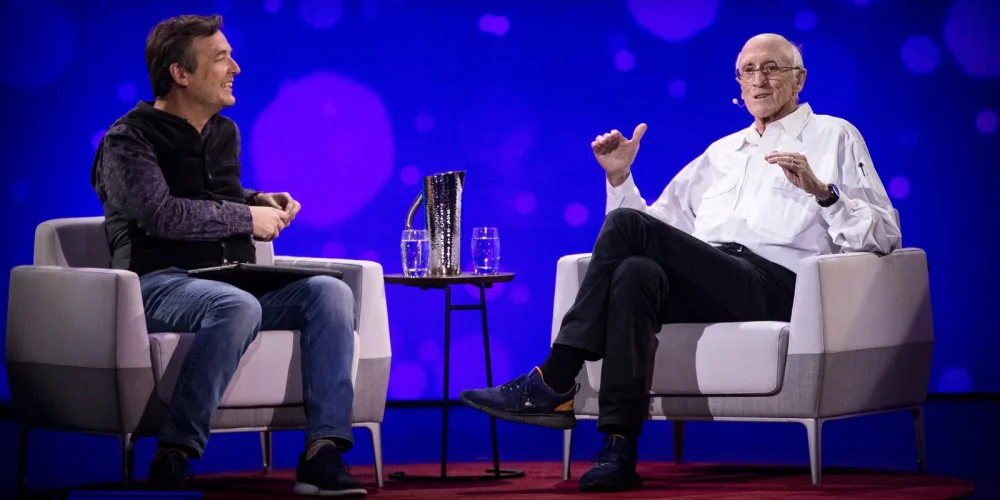
Stewart Brand has remained a central figure in technological and environmental circles for over six decades. He recently sat down for an interview to discuss his career and his outlook on the future. Brand first gained fame as the creator of the Whole Earth Catalog in the late 1960s. This publication served as a vital resource for the counterculture movement and early technology enthusiasts.
During the conversation, Brand addressed the influence of modern billionaires such as Elon Musk and Jeff Bezos. He noted that these figures often pursue projects that seem like science fiction. However, he also emphasized the importance of individual agency in shaping our collective future. He believes people should actively participate in designing the world they want to inhabit.
Brand also reflected on his early experiences with the first computers and digital networks. He was one of the first people to recognize the potential of personal computing as a tool for liberation. His work helped bridge the gap between hippie idealism and the burgeoning Silicon Valley tech scene. He remains fascinated by how rapidly technology has transformed human communication and daily life.
A significant portion of the interview focused on the Long Now Foundation, which Brand co-founded. This organization promotes long-term thinking to help humanity survive for thousands of years. Their most famous project is a massive mechanical clock designed to run for ten millennia. Brand argues that short-term focus in politics and business often leads to catastrophic environmental damage.
Environmental preservation and de-extinction are also key topics for the veteran thinker. Brand supports the use of genetic engineering to bring back lost species, such as the woolly mammoth. He sees this not as playing God, but as a way to repair ecological damage caused by humans. This stance has sparked debate among traditional conservationists who favor more passive approaches.
The interview touched upon Brand’s personal life and his current daily routines. At 87 years old, he continues to live on a tugboat in Northern California. He maintains a sharp interest in artificial intelligence and its potential to solve complex global problems. His optimism remains a defining characteristic of his philosophical outlook on human progress.
Brand encouraged younger generations to take responsibility for the health of the planet. He suggested that human ingenuity is our greatest asset in overcoming the climate crisis. The interview provides a rare look into the mind of a man who influenced Steve Jobs and many other tech leaders. His legacy continues to inspire those who seek to harmonize technology with nature.