KEY POINTS
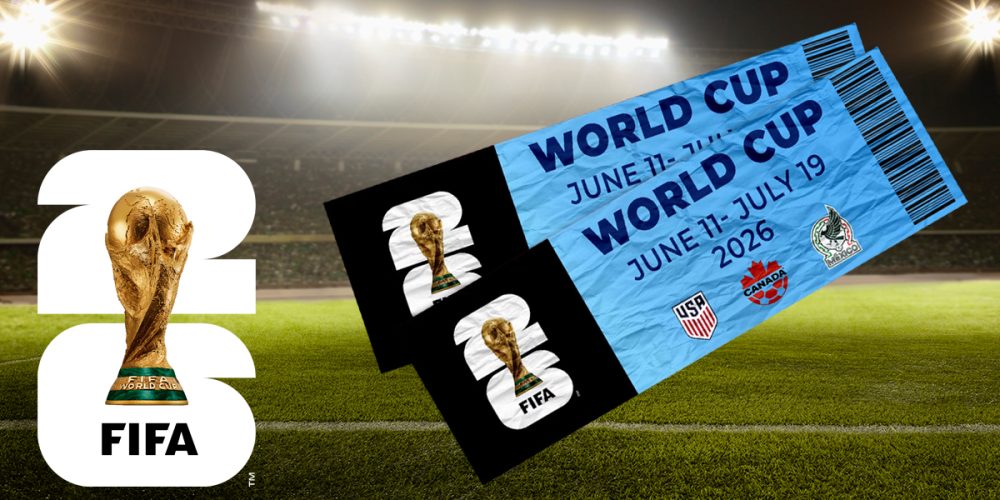
- A prominent American broker is recruiting investors to fund large-scale ticket purchases for the upcoming World Cup.
- Marketing materials promise potential returns of up to 400% by reselling high-demand seats on the secondary market.
- FIFA officials maintain strict policies against unauthorized ticket transfers and warn fans about the risks of invalid passes.
A controversial investment scheme has emerged ahead of the 2026 FIFA World Cup. A US-based broker is actively soliciting funds from private investors to purchase bulk tickets. This strategy aims to capitalize on the massive demand for the tournament hosted in North America. The broker claims that early investors can see substantial financial gains as match dates approach.
Marketing documents sent to potential backers suggest that profits could reach quadruple the initial investment. The plan focuses on acquiring premium seats for high-profile matches in major cities. These include opening games, knockout rounds, and the final match at MetLife Stadium. The broker intends to sell these tickets through secondary marketplaces at significantly inflated prices.
This practice directly challenges the official ticketing policies established by FIFA. The global football governing body explicitly prohibits the resale of tickets for profit without authorization. FIFA often uses digital-only ticketing systems to track ownership and prevent scalping. They have repeatedly warned that tickets bought through unofficial channels may be canceled or deemed invalid at the gate.
Despite these warnings, the broker argues that market demand will outweigh regulatory hurdles. They suggest that the scarcity of tickets will drive desperate fans to pay a premium. This type of speculative investment has become more common at major global sporting events. However, it carries significant legal and financial risks for those who provide the capital.
Consumer advocacy groups are raising concerns about the ethics of such investment models. They argue that these schemes make events less accessible to genuine football supporters. When brokers corner the market, prices often rise beyond the reach of average families. This creates a barrier for fans who wish to experience the first 48-team World Cup in history.
FIFA has not yet commented on this specific broker but continues to promote its official platform. This platform allows fans to return tickets they no longer need for a controlled resale. This system ensures that prices remain fair and that the tickets remain valid. Officials urge the public to avoid any third-party offers that seem too good to be true.
The 2026 World Cup will feature 104 matches across the United States, Canada, and Mexico. This expanded format provides more opportunities for fans to attend, but also more opportunities for resellers. The sheer scale of the event makes enforcement of anti-scalping laws a difficult task for local authorities.
Investors are reminded that past tournaments have seen crackdowns on unauthorized ticket rings. Participants in these schemes could face the total loss of their funds if tickets are voided. As the tournament draws closer, the battle between official sellers and private brokers is expected to intensify.