KEY POINTS
- During his 2026 State of the Union address, President Trump announced a “Ratepayer Protection Pledge” requiring tech giants to generate their own electricity.
- The mandate aims to shield American households from rising utility costs caused by the massive energy demands of AI data centers.
- The White House plans to host leaders from companies like Microsoft, Meta, and Anthropic in early March to formalize the self-sufficiency initiative.
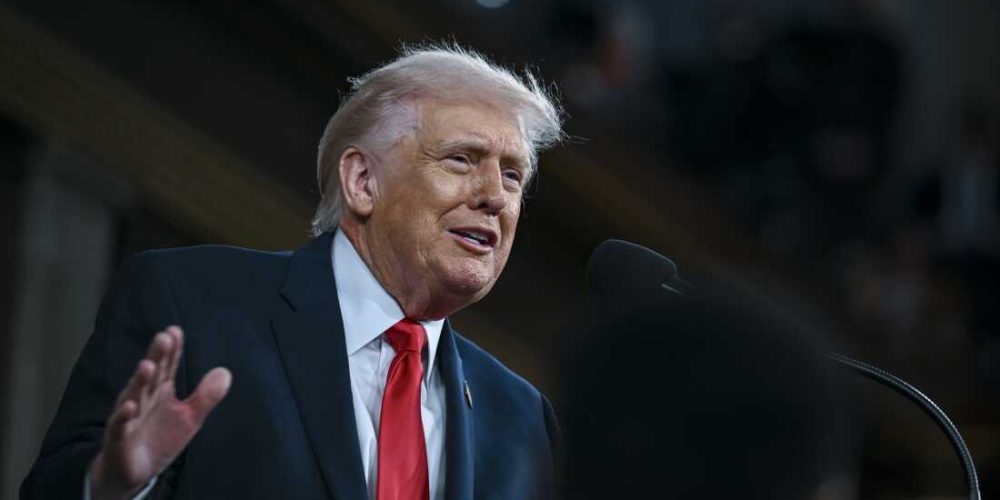
In a move that could fundamentally alter the relationship between Silicon Valley and the American energy sector, President Donald Trump has issued a direct mandate to the nation’s largest technology firms. Speaking during his State of the Union address on February 24, 2026, the President revealed that his administration is moving to require major tech companies to construct their own power plants. This policy is designed to ensure that the rapid expansion of artificial intelligence does not place an unfair financial burden on ordinary American consumers.
The directive comes as grid operators across the United States warn of a looming energy crisis. The explosive growth of AI-driven data centers has led to a surge in electricity demand that is outpacing the capacity of the nation’s aging power infrastructure. By compelling companies such as Google, Microsoft, and Meta to provide for their own power needs, the administration seeks to prevent a spike in residential electricity rates. The President emphasized that while the U.S. remains committed to winning the global AI race against competitors like China, that progress must not come at the expense of the average citizen’s utility bill.
Market analysts suggest that this “Ratepayer Protection Pledge” marks a significant shift toward a “bring your own power” model for industrial growth. Currently, massive data center campuses can consume as much electricity as a small city, often straining local grids to the point of causing regional price hikes or reliability concerns. Under the proposed plan, tech firms would be encouraged—and potentially required—to invest in dedicated energy generation, such as natural gas turbines or small modular nuclear reactors, to run their hyperscale facilities independently.
The announcement follows months of growing local opposition to data center projects in several states, where residents have blamed the facilities for both rising costs and potential environmental impacts. In response to these pressures, some companies have already begun voluntary measures. Microsoft, for instance, recently pledged to cover higher utility rates tied to its operations. However, the Trump administration’s new stance suggests that voluntary efforts are no longer sufficient and that a formal, federally backed framework is necessary to ensure long-term grid stability.
While the President did not specify the exact enforcement mechanisms or the specific companies involved, White House sources indicate that a high-level summit is scheduled for early March. This meeting will reportedly bring together tech executives and energy experts to draft the formal requirements of the pledge. The administration is also considering incentives, such as streamlined federal permitting and tax breaks, to assist companies in the transition to becoming their own utility providers.
The strategy is also a tactical move ahead of the 2026 midterm elections. With energy affordability becoming a top-tier issue for voters, the administration is positioning itself as a defender of the “ratepayer.” By shifting the infrastructure costs to the world’s wealthiest corporations, the government aims to keep consumer prices low while still supporting the technological innovation necessary for national security and economic growth.
Industry leaders have expressed a mix of concern and cautious cooperation. While building and maintaining power plants is outside the traditional core expertise of software companies, many recognize that securing a reliable energy supply is now a prerequisite for AI development. As the United States navigates this transition, the outcome will likely determine whether the country can maintain its technological edge without compromising the energy security of its citizens.