KEY POINTS
- Chinese artificial intelligence startup DeepSeek has reportedly denied access to its latest model for American companies like Nvidia.
- The decision marks a significant escalation in the ongoing technological rivalry between the United States and China.
- Industry sources suggest the move aims to protect proprietary Chinese innovation from Western semiconductor optimization.
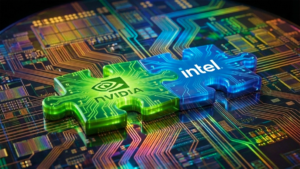
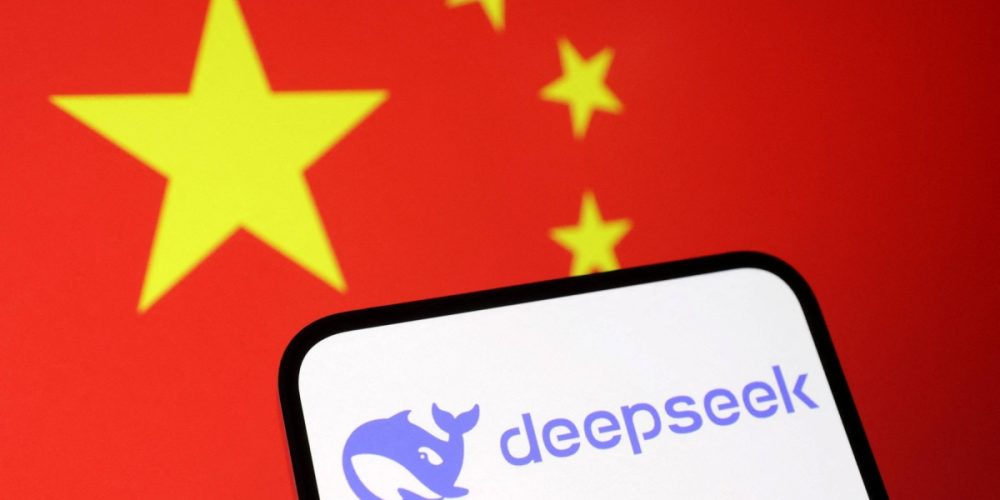
DeepSeek has reportedly taken a major step to restrict Western access to its most advanced artificial intelligence technology. The Chinese startup is withholding its newest AI model from prominent American semiconductor firms. This group of excluded companies includes industry leader Nvidia and several other major US chip manufacturers. Sources familiar with the matter revealed the decision on Wednesday.
This move signals a hardening of boundaries in the global race for AI supremacy. Historically, chipmakers and software developers have collaborated closely to optimize hardware performance. DeepSeek’s refusal to share its latest model breaks this tradition of cross-border technical cooperation. It prevents US firms from tuning their processors to run the startup’s specific algorithms more efficiently.
The strategic shift comes at a time of rising geopolitical tension regarding high-end technology. The United States has previously imposed strict export controls on advanced AI chips headed to China. Many analysts view DeepSeek’s current restriction as a direct response to those American trade policies. By keeping its code private, the firm ensures that Western companies cannot study its architectural breakthroughs.
DeepSeek gained international attention recently by producing high-performance AI models at a fraction of the cost of US rivals. Its efficiency threatened the market dominance of established players like OpenAI and Google. By withholding its latest version, the company may be trying to maintain a unique competitive edge. This strategy prioritizes national technological independence over global integration.
The impact on American chip designers could be substantial over the long term. Without access to cutting-edge models from China, US firms may struggle to understand evolving software demands in that region. This lack of transparency could lead to a divergence in how AI hardware is developed in different parts of the world. It effectively creates two separate technological ecosystems.
DeepSeek has not officially commented on the reports regarding its restrictive access policies. However, the company has consistently emphasized its commitment to domestic Chinese innovation. The startup continues to receive significant support from local investors and government-linked entities. These backers are eager to see China lead the next wave of generative AI development.
Market experts suggest that this trend of technological “decoupling” is likely to accelerate. Other Chinese AI firms may follow DeepSeek’s lead by limiting their cooperation with Western partners. Such a shift would force global supply chains to reorganize around political boundaries. The free exchange of technical information that once defined the Silicon Valley era is rapidly disappearing.
As the AI industry grows, the control over training data and model weights has become a matter of national security. DeepSeek’s latest action highlights how software is now being used as a tool of economic statecraft. Both the US and China are now focused on building self-reliant technology stacks to avoid future vulnerabilities.