

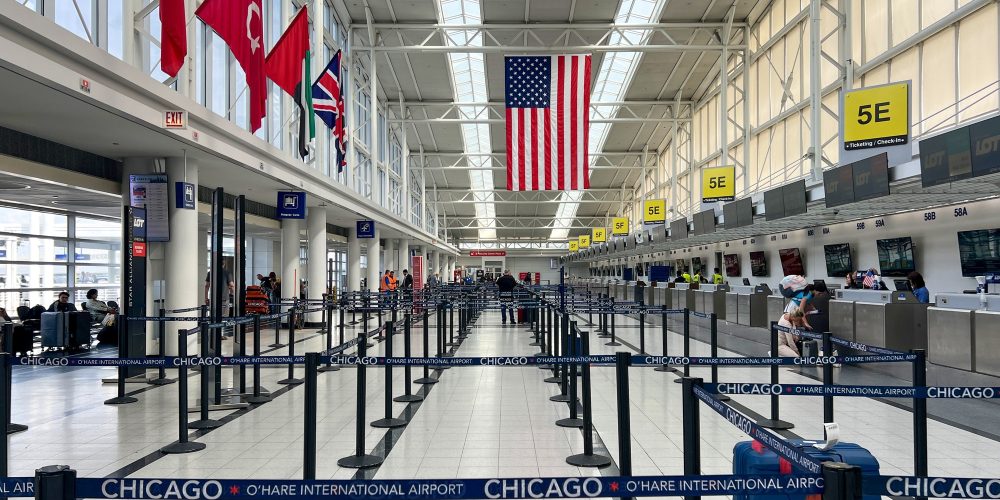
KEY POINTS
- The United States was the only major global destination to see an international tourism decline last year.
- High costs, visa hurdles, and restrictive policies have driven a 5% drop in overseas arrivals.
- Industry leaders warn that upcoming events like the 2026 World Cup could be undermined by administrative barriers.
The 2026 Americas Lodging Investment Summit (ALIS) in Los Angeles opened this week with a stark warning for the American hospitality sector. While the global travel market is booming, the United States is currently losing its competitive edge. Industry leaders presented data showing the U.S. is the only major nation experiencing a significant contraction in international visits.
Geoff Freeman, CEO of the U.S. Travel Association, shared a sobering assessment of the nation’s recent performance. He reported that domestic travel remained virtually flat after adjusting for inflation throughout 2025. More concerningly, international inbound travel plummeted by more than 5% over the same period. A staggering 25% drop in visitors from Canada largely drove these poor results.
Panelists identified a “toxic mix” of economic and political factors as the primary cause of this downturn. Sky-high costs for flights, lodging, and even national park entry have made American vacations less attractive. Furthermore, recent policy shifts have created significant friction for potential visitors. New visa integrity fees and social media vetting requirements have discouraged many long-haul travelers.
The hospitality industry is specifically concerned about the impact on hotel performance. STR and Tourism Economics have lowered their growth projections for 2026. While luxury properties may see modest gains, the broader market faces shrinking margins as inflation outpaces room rates. Without the boost from the upcoming World Cup, experts predict that hotel revenues could see a rare year-over-year decrease.
The 2026 FIFA World Cup and the 250th anniversary of American independence are critical opportunities for recovery. Matches will take place in 11 different U.S. cities, promising a surge in summer arrivals. However, Freeman cautioned that current policy barriers could prevent the country from fully realizing these benefits. He questioned whether the government would continue pursuing regulations that actively discourage international guests.
Global travel patterns are already shifting as travelers choose easier and friendlier alternatives. Mediterranean Europe and the Asia-Pacific region are currently benefiting from the U.S. decline. To win back market share, experts at the summit emphasized that the U.S. must project a more welcoming image. Addressing visa wait times and reducing administrative hurdles are essential steps to stabilize the industry’s future.









