KEY POINTS
- Boston Logan International Airport is struggling to resume normal operations as thousands of flights remain grounded after a historic winter storm.
- Airlines have issued widespread waivers and warnings as the terminal remains packed with stranded passengers attempting to rebook travel.
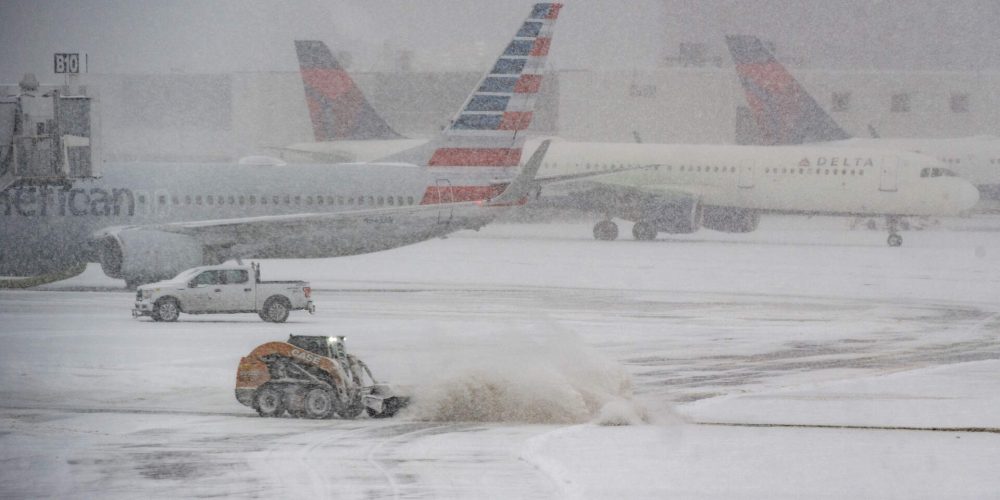
- Ground crews are working in sub-zero temperatures to clear runways and de-ice aircraft buried under feet of snow.
The aviation sector in the Northeast remains in a state of chaos as Boston Logan International Airport attempts to recover from a paralyzing winter event. Following the massive “bomb cyclone” that recently swept across New England, the facility has become a bottleneck of canceled flights and frustrated travelers. Even as the snow has stopped falling, the logistical nightmare of repositioning aircraft and crews has prevented a swift return to regular schedules.
Travelers at Logan Airport are facing unprecedented wait times, with some passengers reporting delays of several days for available seats. The sheer volume of cancellations during the peak of the storm created a backlog that the industry is struggling to clear. Major carriers have been forced to cancel hundreds of additional flights even after the skies cleared, primarily because the planes needed for these routes were stuck at other snowbound hubs or had not yet been de-iced.
The scene inside the terminals is one of exhaustion and uncertainty. Many people found themselves sleeping on floors or in temporary seating areas as nearby hotels reached maximum capacity. Airline staff are working under extreme pressure to manage the rebooking process, but with many upcoming flights already fully booked, the options for stranded travelers are limited. Digital apps and kiosks have seen heavy traffic as users scramble to find alternative routes or connecting flights through less affected regions.
Outside on the tarmac, the challenge is purely mechanical. Ground crews are engaged in a monumental effort to clear over two feet of snow from runways, taxiways, and gate areas. The extreme cold following the storm has turned much of the accumulation into thick ice, requiring heavy machinery and thousands of gallons of de-icing fluid. Safety remains the top priority, and airport officials have stated that they will not authorize full-scale takeoffs until every square inch of the movement area is verified safe for heavy jets.
Compounding the issue is the regional nature of the storm. Because the blizzard affected multiple high-traffic airports simultaneously, the entire East Coast corridor has been destabilized. When a major hub like Boston remains offline or at reduced capacity, it creates a ripple effect that delays flights as far away as California and Europe. Flight tracking data shows that while some regional jets have begun moving, the heavy long-haul international flights are seeing the most persistent delays.
Airlines are encouraging all passengers to check their flight status before even leaving for the airport. Most companies have extended travel flexibility policies, allowing customers to change their plans without paying the usual change fees. However, with another smaller weather system potentially moving into the area, the window for a clean recovery is closing quickly.
As the cleanup continues, the economic impact on the aviation industry and the regional economy is mounting. Beyond the lost revenue from ticket sales, the costs of fuel for de-icing, overtime pay for crews, and hotel vouchers for passengers are significant. For now, the focus remains on getting the thousands of stranded people in Boston back to their destinations safely, even if it takes several more days to achieve a full schedule.