KEY POINTS
- NASA chief Bill Nelson admitted to systemic failures within the agency and Boeing during the Starliner mission.
- The failed crewed flight resulted in astronauts remaining on the International Space Station for months longer than planned.
- Congressional testimony revealed major engineering flaws and communication breakdowns between the government and its contractor.
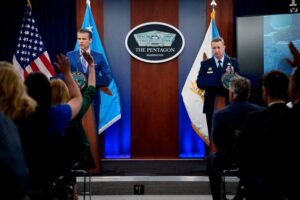
NASA Administrator Bill Nelson delivered a sharp rebuke of both Boeing and his own agency on Thursday. During a heated congressional hearing, Nelson addressed the complications surrounding the recent Starliner astronaut mission. He characterized the project as a failure in leadership and technical oversight. The mission left two astronauts stranded on the International Space Station for much longer than expected.
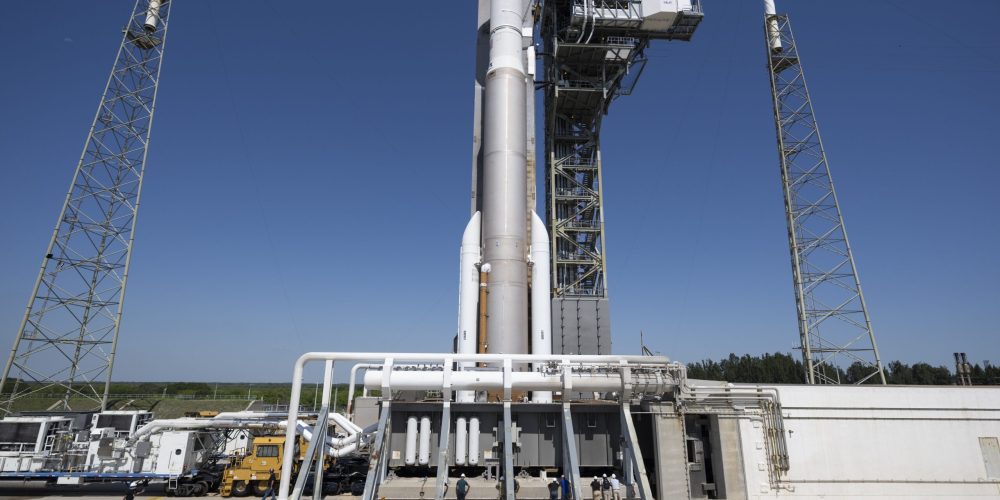
The Starliner spacecraft launched last year with Butch Wilmore and Sunita Williams on board. Technical issues began almost immediately after the vessel reached orbit. Engineers discovered helium leaks and thruster failures that compromised the safety of the return journey. NASA eventually decided to bring the capsule back to Earth empty. This choice forced the astronauts to wait for a SpaceX flight to return home.
Nelson told lawmakers that Boeing must improve its engineering standards and corporate culture. He noted that the company struggled with repetitive technical hurdles throughout the development process. The agency chief also turned his criticism inward during the testimony. He admitted that NASA officials failed to hold the contractor accountable during critical phases of the mission.
The hearing highlighted deep-seated concerns about the future of the commercial crew program. Lawmakers questioned why NASA continued to fund Boeing despite years of delays and cost overruns. Nelson acknowledged that the agency relied too heavily on Boeing’s internal data. He promised a total overhaul of how NASA monitors private aerospace partners in the future.
Boeing faces significant financial pressure following the botched mission. The company has already recorded billions of dollars in losses related to the Starliner project. Executives at Boeing stated they are working to address the technical faults found by NASA researchers. However, many in the aerospace industry remain skeptical about the craft’s long-term viability.
The delay also caused logistical headaches for the International Space Station crew. Supplies and scheduling required rapid adjustments to accommodate the extra passengers. NASA officials worked around the clock to ensure the safety of Williams and Wilmore during their extended stay. The astronauts eventually returned safely via a rival spacecraft.
Congressional leaders demanded more transparency regarding the technical assessments made before the launch. They expressed frustration that safety warnings may have been ignored by mission managers. Nelson vowed that NASA will learn from these mistakes to prevent future mission failures. He emphasized that astronaut safety must always take priority over political or financial deadlines.
The fallout from the Starliner mission could change the landscape of American spaceflight. NASA may now look to diversify its partnerships beyond traditional aerospace giants. The agency aims to maintain a constant human presence in space without relying on a single flawed system. This testimony marks a turning point in the relationship between the government and Boeing.