KEY POINTS
- LionLink aims to connect the UK and Dutch power grids to supply electricity to 2.5 million homes.
- Local campaigners fear the project will cause “irreversible damage” to protected landscapes and tourism.
- National Grid Ventures has pledged to build temporary roads to ease traffic during the construction phase.
Residents of the Suffolk coast are expressing deep anxiety over a proposed international energy project. Known as LionLink, the plan involves a subsea power cable connecting the UK to the Netherlands. While developers highlight the project’s green energy benefits, locals fear it will destroy their peaceful countryside. The coastal village of Walberswick is at the heart of the latest controversy.
National Grid Ventures (NGV) plans to bring the massive cables ashore at Walberswick beach. From there, the lines would travel underground to a new converter station near Saxmundham. This facility would cover approximately 14 acres of land before connecting to a substation at Friston. Critics argue the project is being forced upon a “beautiful area of outstanding national beauty.”
The construction director for NGV, Gareth Burden, defended the plans at a recent public event. He noted that 84 percent of the project’s infrastructure will remain offshore. Once complete, the link is expected to power roughly 2.5 million British households. Burden insists that community feedback has already helped refine the current proposals.
However, many residents remain unconvinced by these assurances. One local described the initiative as the “wrong project, in the wrong place.” Opponents are particularly worried about the cumulative impact of multiple energy projects in Suffolk. They point to the ongoing development of Sizewell C and Sea Link as additional burdens.
Tourism is a vital part of the local economy that residents fear could collapse. Visitors flock to the Suffolk coast for its quiet charm and rare wildlife. Construction traffic and heavy machinery could deter tourists for years during the building phase. Campaigners claim that “profit is being prioritized over the environment” and the people of Walberswick.
To address traffic concerns, NGV promised to build temporary infrastructure. These special roads would take heavy vehicles off narrow local lanes to reduce “pinch points.” The company also clarified that it is a regulated business with a cap on its financial returns. This statement aimed to counter local accusations of corporate profiteering.
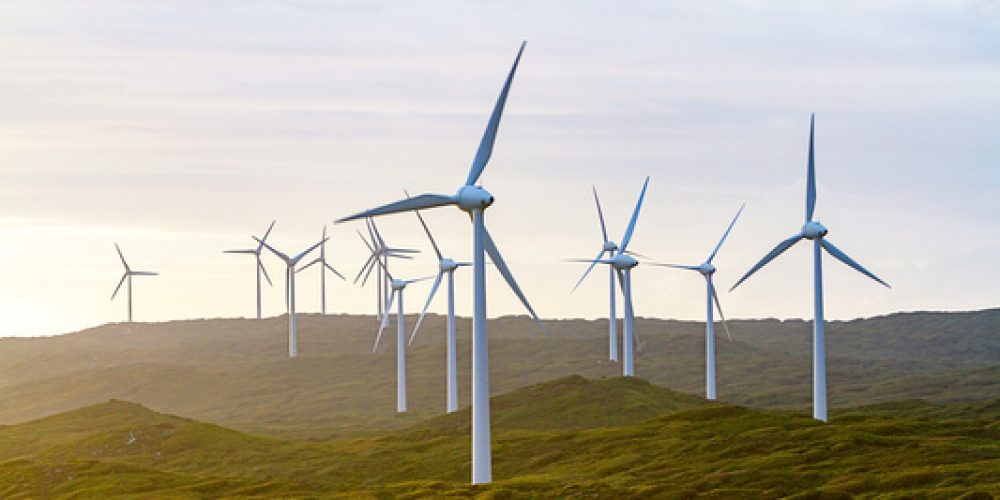
Some former industry professionals support the project, citing the need for renewable energy. They argue that as coal plants close, the East of England must step up. Wind power from the North Sea is now a critical part of the UK’s energy security. Without these links, the country could face long-term power shortages as it transitions away from fossil fuels.
The statutory consultation period for LionLink is currently open until March 10, 2026. This allows the public a final chance to submit their views before a formal application is made. NGV expects to submit its Development Consent Order to the government later this year. If approved, the massive power link could be operational by 2032.