KEY POINTS
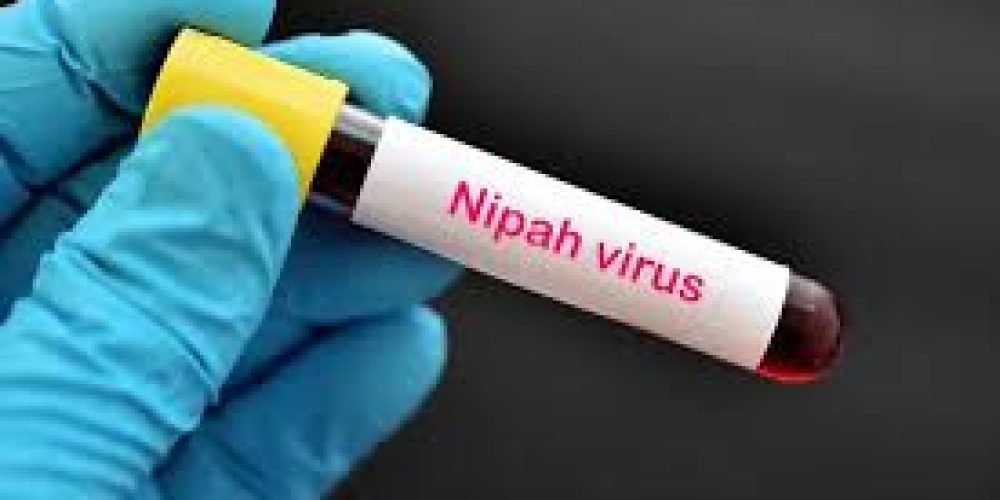
- The World Health Organization confirmed a Nipah virus infection in Bangladesh, marking the first reported case in 2026.
- The patient showed severe symptoms and died, highlighting the virus’s high fatality potential.
- Health authorities continue surveillance, with no wider spread detected so far.
The World Health Organization (WHO) reported a confirmed case of Nipah virus infection in Bangladesh on Friday.
The data was shared as part of ongoing surveillance of emerging infectious diseases in the South Asia region.
The infected individual was treated in a hospital in northern Bangladesh in late January, where clinical samples later confirmed Nipah virus infection.
Authorities said the patient died from the illness after developing fever and neurological symptoms.
Nipah virus is a zoonotic pathogen known to spread from animals — particularly fruit bats — to humans through contaminated food products or close contact.
The virus is especially dangerous, with mortality rates reported between 40% and 75% in outbreaks, although human-to-human transmission is limited.
In this case, all 35 identified contacts of the deceased have been monitored and tested negative for the virus to date.
No additional infections have been confirmed so far, indicating no immediate wider spread beyond the initial case.
This report follows recent Nipah cases in neighbouring India, where infections were also confirmed in West Bengal, prompting regional public health precautions.
Several Asian countries have introduced enhanced screening measures at airports and borders due to the outbreaks.
The WHO has not recommended travel or trade restrictions based on the current situation, considering the international risk to be low.
However, Nipah remains a serious disease because of its severity and lack of approved treatments or vaccines.
Bangladesh has experienced seasonal Nipah cases historically, often linked to consumption of raw date palm sap contaminated by infected bats.
Local health officials continue surveillance and preventive messaging to reduce risk during the high-risk season.
Public health experts stress that early detection and containment are crucial in limiting outbreaks of highly lethal pathogens such as Nipah.
Ongoing monitoring and rapid response teams remain engaged in affected areas following the confirmation.