KEY POINTS
- Measles vaccination rates in South Carolina jumped sharply in January following a significant outbreak.
- State health officials credited public concern and targeted campaigns for driving increased immunizations.
- The rise reflects renewed attention to vaccine-preventable diseases amid declining coverage in prior years.
South Carolina saw a notable increase in measles vaccinations in January after health authorities reported a sizable outbreak.
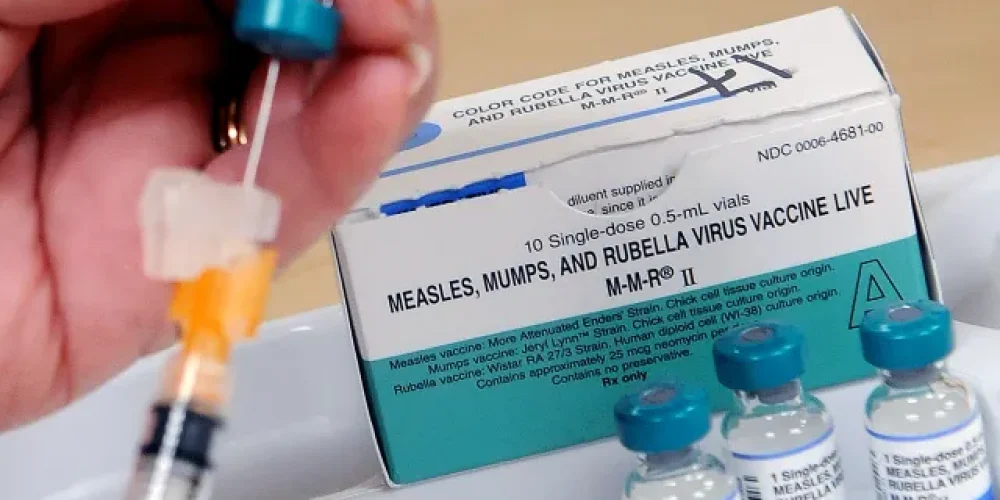
State health officials said the spike came as parents sought protection for children against the highly contagious disease.
The vaccination rate climb followed multiple confirmed cases, some linked to unvaccinated individuals.
The outbreak alarmed communities and prompted officials to escalate public health messaging.
In prior months, South Carolina had seen slower uptake of measles immunizations, mirroring national trends of waning vaccine coverage.
Public health leaders expressed concern that low vaccination levels can leave populations vulnerable.
Local clinics and schools partnered with the South Carolina Department of Health to host vaccination drives.
Officials said these efforts made vaccinations more accessible to families.
State epidemiologists stressed that measles remains one of the most transmissible viruses, making high vaccine coverage essential.
They urged parents to check children’s immunization records and act promptly.
The January outbreak included multiple confirmed infections among unvaccinated clusters.
Health officials said this pattern reflects broader gaps in community immunity.
In response, the state intensified educational campaigns about vaccine safety and effectiveness.
Public information initiatives targeted both parents and healthcare providers.
State immunization officials reported that number of administered doses doubled compared with prior months.
They attributed the jump largely to the recent outbreak’s visibility.
Health experts note that maintaining high measles–mumps–rubella (MMR) vaccine coverage prevents further spread.
They warn that lapses in routine immunization undermine long-term disease control.
The South Carolina data come amid broader national efforts to strengthen immunization programs.
Federal and local agencies are tracking vaccination coverage trends to avert future outbreaks.
Officials said there were no new outbreak clusters in early February.
However, they continue surveillance and follow-ups with exposed contacts.
State health leaders called the surge in vaccinations a positive public health response.
They urged communities to sustain immunization momentum.
Parents of school-aged children noted the importance of updated shots before spring gatherings.
Health groups said honest vaccine education remains key.