KEY POINTS
- Severe flooding in Mozambique has displaced thousands of families and destroyed vital agricultural lands across the country.
- Survivors in temporary shelters face a lack of clean water and basic supplies as they plan to return home.
- The government estimates that reconstructing destroyed infrastructure will require billions of dollars in international aid and support.
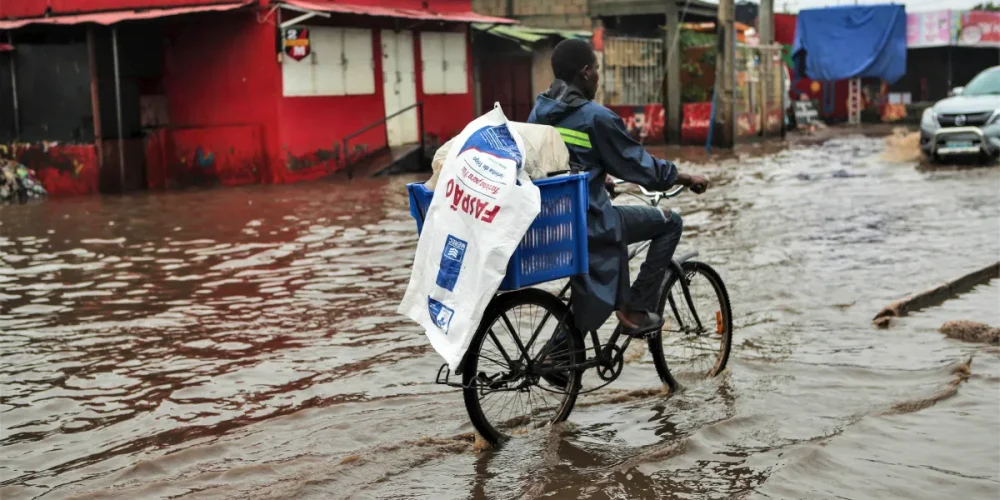
Mozambique is reeling from the impact of catastrophic floods that have submerged entire communities. Thousands of residents now live in makeshift tents after losing their homes to the rising waters. Families are struggling to survive as they wait for the floodwaters to recede from their ruined neighborhoods.
The humanitarian crisis is particularly acute in the southern provinces where rivers breached their banks. Many survivors escaped with only the clothes on their backs as the water rose in the middle of the night. Local aid groups are working around the clock to provide food, medicine, and clean drinking water.
Agriculture, the backbone of the local economy, has suffered a massive blow from the natural disaster. Thousands of hectares of maize and vegetable crops are now under water, leading to fears of long-term food insecurity. Farmers describe the loss as a total wipeout of their livelihoods and future harvests.
Public health officials are warning about the increased risk of waterborne diseases in the flooded areas. Stagnant water provides a breeding ground for mosquitoes and bacteria, threatening the lives of vulnerable children. Medical teams are scrambling to set up clinics in the displacement camps to prevent a major outbreak.
The infrastructure damage is equally staggering, with roads and bridges washed away by the sheer force of the current. This destruction has isolated some remote villages, making it difficult for rescue teams to reach those in need. Rebuilding these vital links will be a primary focus for the government in the coming months.
Despite the immense loss, the spirit of perseverance remains strong among the Mozambican people. Neighbors are helping each other salvage what little remains of their belongings from the thick mud. Many residents have already begun making plans to rebuild their houses using more resilient materials.
International climate experts point to these floods as another sign of the extreme weather patterns hitting Southern Africa. The region has faced a cycle of intense droughts followed by violent storms in recent years. These events make it increasingly difficult for developing nations to maintain consistent economic growth.
The Mozambican government has made an urgent appeal to the international community for financial assistance. They argue that local resources are not enough to cover the massive scale of the reconstruction needed. Without external help, the recovery process could take many years for the hardest-hit communities.
For now, the focus remains on immediate survival and securing the safety of those still in flooded zones. The resilience of the people is being tested as they face the monumental task of starting over. Every family shares a common goal: to rebuild their lives and their nation.