KEY POINTS
- A revitalized rail journey offers travelers a scenic alternative to high-speed lines through the heart of the Alps.
- The route connects Swiss mountain landscapes with the historic Italian city of Turin using regional train networks.
- Sustainable travel enthusiasts favor this slower pace to enjoy panoramic winter views and hidden alpine villages.
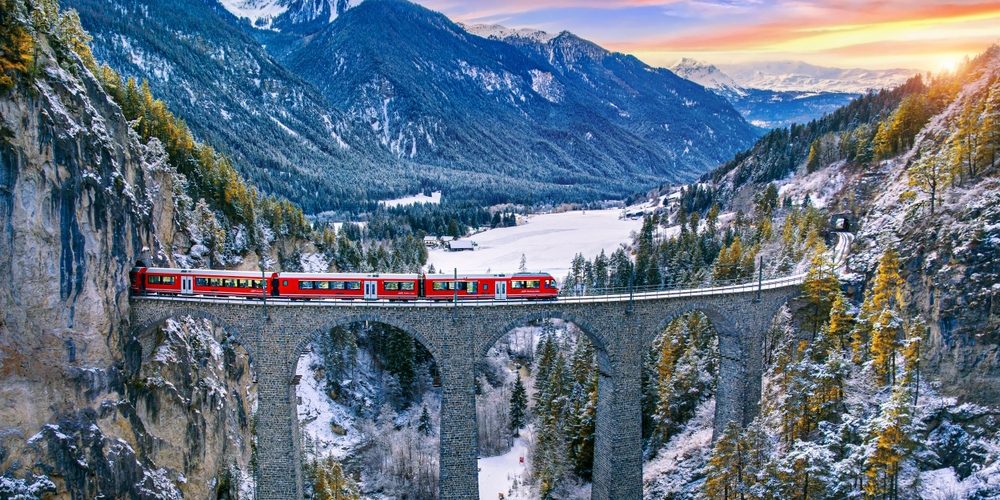
Winter travel in Europe is evolving as more tourists reject frantic flight schedules for deliberate rail journeys. A notable route gaining popularity this season traverses the majestic Swiss Alps toward the Italian city of Turin. This journey emphasizes the beauty of the landscape rather than the speed of the arrival. It utilizes a network of regional trains that climb through some of the continent’s most dramatic terrain.
The trip typically begins in Switzerland, where passengers board trains designed for sightseeing. Large windows allow for unobstructed views of snow-covered peaks and frozen glacial lakes. These regional services often stop at smaller stations that high-speed lines bypass entirely. This allows travelers to witness the quiet daily life of remote mountain communities during the peak of winter.
Crossing the border into Italy marks a distinct change in the surrounding geography and architecture. The tracks wind through deep valleys and historic tunnels carved directly into the granite mountainsides. As the train descends from the high altitudes, the rugged cliffs give way to the rolling hills of Piedmont. The transition from the Swiss wilderness to the refined Italian countryside happens gradually over several hours.
Turin serves as the final destination for this specific transalpine trek. Known for its sophisticated cafes and Baroque architecture, the city offers a warm welcome to rail passengers. Visitors can easily reach the city center from the main Porta Nuova station. The city provides a perfect cultural contrast to the silent, white expanses of the high Alps.
Choosing regional trains over express routes also offers significant environmental benefits. These electric-powered systems produce far fewer carbon emissions per passenger than short-haul flights or private cars. This sustainable approach aligns with the growing “slow travel” movement across the European Union. Travelers prioritize lower footprints and deeper connections with the regions they visit.
Logistically, the journey requires a bit more planning than a direct ticket. Passengers may need to coordinate several transfers between different national rail operators. However, integrated booking platforms have made this process much simpler for international tourists. The cost is often comparable to or cheaper than last-minute airfare when booked in advance.
The appeal of the slow train lies in the sensory experience of the movement. Instead of a pressurized cabin, passengers enjoy the rhythmic sound of the rails and changing light. This route proves that the transit itself can be the highlight of a winter holiday. As the tracks lead into Turin, the journey concludes with a deep appreciation for alpine heritage.