KEY POINTS
- Scientists have successfully caused pancreatic tumors to shrink using a new targeted therapeutic approach.
- The treatment works by blocking specific proteins that allow cancer cells to hide from the immune system.
- Early laboratory results show promise for treating one of the most aggressive and deadly forms of cancer.
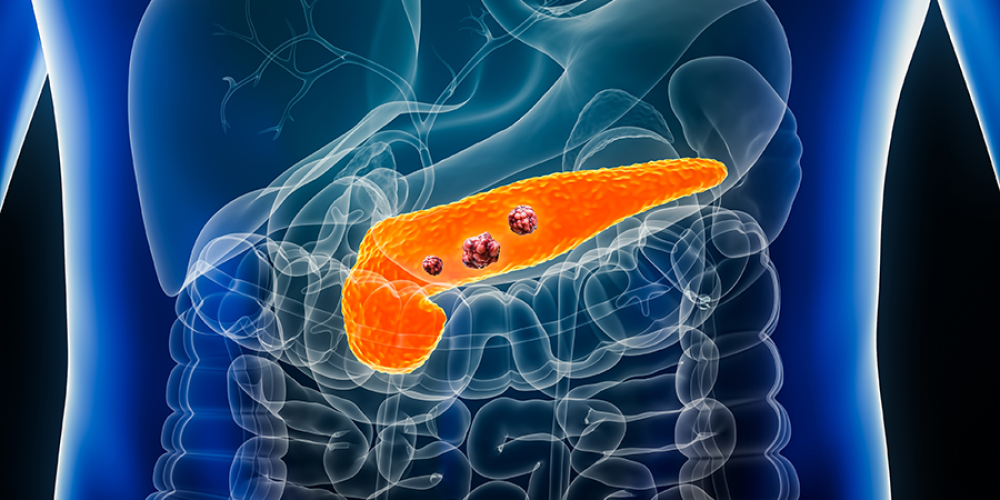
Researchers have reached a significant milestone in the fight against pancreatic cancer. A new study reveals a method to induce regression in these notoriously difficult-to-treat tumors. This breakthrough offers fresh hope for improving survival rates among patients. Pancreatic cancer currently remains one of the most lethal oncological challenges worldwide.
The scientific team focused on the complex environment surrounding pancreatic tumors. These tumors often create a protective barrier that repels standard treatments. This shield prevents the body’s immune cells from attacking the malignancy effectively. The new therapy aims to dismantle this defensive wall.
Scientists identified specific proteins that play a key role in tumor growth. By inhibiting these proteins, the researchers successfully weakened the cancer’s grip. In laboratory models, this led to a visible reduction in tumor size. Such regression is rarely seen with conventional chemotherapy alone.
The study highlights the potential of combining targeted drugs with immunotherapy. This dual approach helps the immune system recognize and destroy cancerous cells. The researchers observed that the treated tumors became more vulnerable to attack. This process effectively turned a “cold” tumor into a “hot” one for the immune system.
Pancreatic cancer often lacks early symptoms, leading to late-stage diagnoses. Current treatment options typically provide only a marginal extension of life. Most patients face a poor prognosis due to rapid metastasis. Discovering a way to shrink established tumors is therefore a top medical priority.
While these results are encouraging, the research is still in its early stages. The successful regression occurred within controlled laboratory settings. Further testing is required to determine the safety of this method for humans. Clinical trials will eventually be necessary to validate these preliminary findings.
The medical community views this development as a significant step forward. It provides a deeper understanding of the molecular pathways involved in pancreatic cancer. Other researchers may now use these findings to refine existing treatment protocols. Constant innovation is essential for tackling such aggressive diseases.
Funding for this study came from various international health organizations. These groups emphasize the importance of continued investment in cancer research. Improved screening and better therapies are vital for changing patient outcomes. This latest discovery adds a powerful tool to the global medical arsenal.