KEY POINTS
- Residents across the US Midwest are reporting loud booms and ground tremors caused by freezing groundwater.
- Known as cryoseisms, these frost quakes occur when moisture in the soil expands rapidly during extreme cold.
- While the sounds can resemble explosions or falling trees, frost quakes rarely cause significant structural damage.
A brutal Arctic blast is bringing a rare geological phenomenon to the United States. Residents in several Midwestern states have reported hearing mysterious, booming sounds during the night. These loud noises often sound like a heavy object hitting a house. Some people even mistake the sound for an exploding tree or a gunshot.
Meteorologists identify these startling events as cryoseisms, more commonly known as frost quakes. They occur when temperatures drop rapidly below freezing. This sudden chill causes groundwater in the soil to freeze almost instantly. Because water expands as it turns to ice, it puts immense pressure on the surrounding earth.
When the soil or rock can no longer contain the expanding ice, it cracks. This sudden release of energy produces a loud noise and localized ground shaking. Unlike traditional earthquakes, frost quakes originate very close to the surface. This proximity explains why the sound seems so intense to those nearby.
People often feel vulnerable when these booms occur in the middle of the night. Many residents take to social media to ask if others felt the tremor. Reports have emerged from suburbs around Chicago and parts of Missouri this week. These areas recently experienced temperatures plummeting well below zero degrees Celsius.
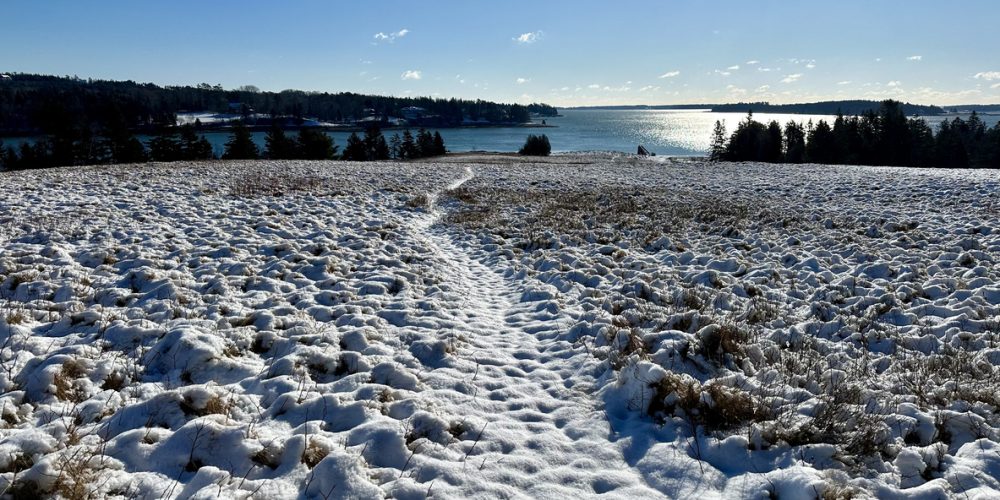
Specific weather conditions must align for a frost quake to happen. The ground must be saturated with moisture from recent rain or melting snow. There also needs to be a lack of thick snow cover on the surface. Snow acts as an insulator that keeps the ground from freezing too quickly.
Without that insulation, the frost line sinks deep into the saturated earth very fast. This rapid freezing is the primary driver of the booming sound. While the experience is unsettling, geologists say frost quakes are generally harmless. They lack the magnitude to topple buildings or cause widespread destruction.
Minor cracks in driveways or sidewalks are the most common physical evidence. Occasionally, a frost quake might rattle windows or knock small items off shelves. Most people only experience the auditory shock of the initial boom. It serves as a reminder of the power of extreme winter weather.
Emergency services often receive calls from concerned citizens during these cold snaps. Dispatchers now recognize these reports as likely cryoseisms rather than criminal activity or gas leaks. As the Arctic air lingers, more frost quakes may occur across the northern plains. Residents should expect more late-night booms until the deep freeze subsides.