KEY POINTS
- British Chinese cuisine features unique regional staples like salt and pepper chips and curry sauce.
- Social media trends have sparked a global debate over the preparation and naming of UK takeout dishes.
- The history of Chinese food in Britain stems from 19th-century maritime trade and post-war immigration.
The internet has recently discovered a significant cultural divide regarding Chinese cuisine in the United Kingdom. Viral videos showing British families plating their takeout orders have left American viewers confused. These clips often feature items rarely seen in US-based Chinese restaurants. This digital phenomenon has highlighted how the same global cuisine evolved differently across two continents.
One of the most striking differences involves the inclusion of potato-based sides. In the UK, chips are a standard accompaniment to almost every Chinese meal. Many British customers order “salt and pepper chips,” which are seasoned with onions, peppers, and chilies. This fusion of British chippy culture and Cantonese seasoning is a cornerstone of the UK experience.
Another major point of contention for international observers is the presence of curry sauce. British Chinese takeout shops almost always offer a thick, mild curry gravy. Diners frequently pour this sauce over their fried rice and chips. To many Americans, this combination seems unusual, but in Britain, it is a beloved comfort food tradition.
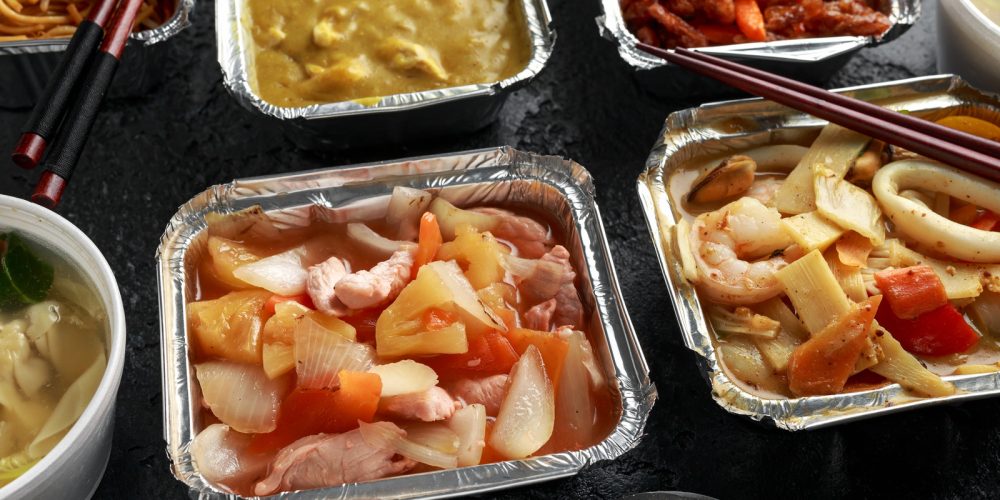
The terminology used in the UK also differs from the American lexicon. British diners often refer to the experience as “having a Chinese,” which sounds grammatically incorrect to outsiders. They also use the term “prawn crackers” instead of “shrimp chips.” Furthermore, the classic American white folded paper boxes are nowhere to be found in the UK. Instead, British shops typically use plastic containers or foil trays.
These culinary variations are the result of specific immigration patterns. Chinese food first arrived in the UK through sailors in port cities like Liverpool and London. After World War II, many immigrants opened restaurants and adapted their recipes to local British tastes. This meant incorporating ingredients that were already popular in the UK, such as potatoes and gravy.
In contrast, Chinese food in America evolved through a different set of regional influences. US-based chefs created dishes like General Tso’s chicken to appeal to American palates. Both versions of the cuisine are “authentic” representations of their respective diaspora experiences. They reflect the ingenuity of chefs who had to cook with available local resources.
The ongoing online debate has increased interest in these regional food quirks. Travelers are now visiting UK takeout spots specifically to try the famous curry sauce and chips. These discussions prove that food remains a powerful tool for cultural expression and curiosity. Despite the differences, the love for a Friday night takeout remains a shared tradition.