KEY POINTS
- Gold prices surged past $5,000 per ounce for the first time as investors sought safety from escalating geopolitical risks and a weakening U.S. dollar.
- Speculation regarding a joint currency intervention by the U.S. and Japan sent the yen climbing over 1% as authorities moved to stabilize the market.
- Rising tensions in the Middle East and renewed sanctions against Iran pushed oil prices higher, further fueling global inflationary concerns.
Global financial markets entered a period of intense volatility this Monday as safe-haven assets reached historic peaks. Gold prices officially broke the $5,000 barrier, marking a significant psychological and economic milestone for the precious metal. This rally reflects deep-seated investor anxiety over a series of international conflicts.
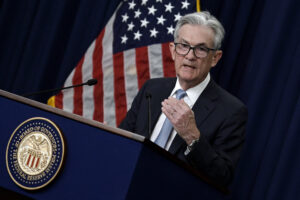
A primary driver for this surge is the weakening of the U.S. dollar following a turbulent week. Fears regarding a possible government shutdown in the United States added pressure to the currency. Simultaneously, the market is bracing for the upcoming Federal Reserve policy meeting where interest rate decisions loom large.
In Asia, the Japanese yen dominated headlines by gaining more than 1% against the dollar. This move followed reports that the New York Federal Reserve conducted rate checks to curb currency sliding. Traders now suspect a coordinated intervention between Washington and Tokyo is imminent to restore stability.
Japanese Prime Minister Sanae Takaichi signaled that her administration would take necessary steps against speculative moves. This hawkish stance caused the Nikkei to drop nearly 2% during early trading. Investors remain cautious as the prospect of joint intervention ends the era of one-way bets against the yen.
Energy markets also felt the heat of rising geopolitical friction. Oil prices extended their gains as the United States deployed a carrier strike group toward the Middle East. President Donald Trump warned of a potential military “armada” if tensions with Iran continue to escalate further.
The threat of supply disruptions in the Strait of Hormuz has reintroduced a significant risk premium to crude. While some supply pressure eased due to a pipeline restart in Kazakhstan, the overarching fear of war remains. Brent crude and WTI both maintained their highest levels in several weeks.
Beyond the Middle East, trade relations between North America and China added another layer of complexity. Canadian Prime Minister Mark Carney clarified that Canada would not pursue a full free trade deal with Beijing. This statement followed earlier tariff threats from the U.S. administration.
Despite these hurdles, Canada reached a smaller agreement to resume beef exports to the Chinese market. This nuanced diplomatic dance shows the ongoing struggle to balance economic growth with national security. Markets are now looking toward the Fed for a definitive signal on future monetary paths.