Key Points:
• The Louvre plans higher entry fees for visitors from outside Europe, citing funding pressures
• Dual pricing already exists at several major tourist attractions worldwide
• Critics warn the policy may affect accessibility and cultural exchange
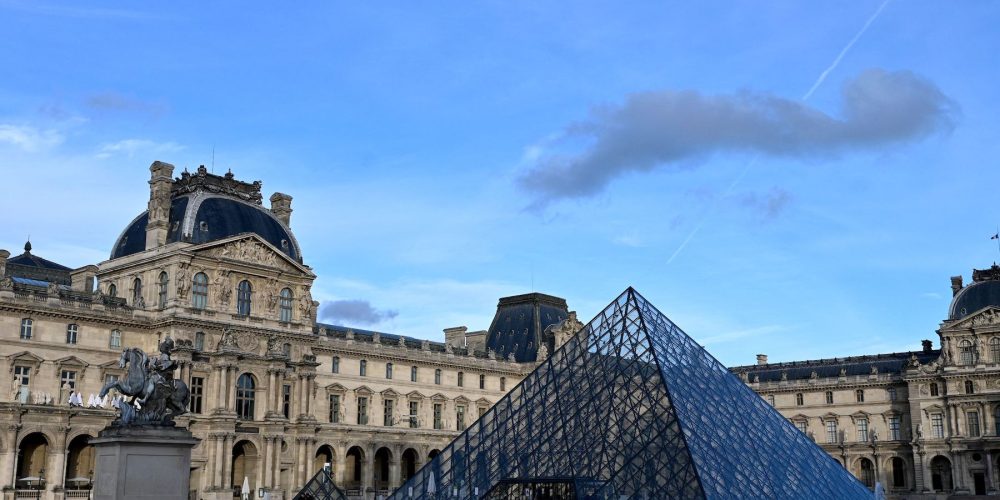
The Louvre has announced plans to introduce higher ticket prices for visitors from outside Europe. The move places the Paris landmark at the center of a growing debate over dual pricing in global tourism. Museum officials argue the change supports long-term sustainability while protecting access for local and regional visitors.
Under the proposal, European residents would continue paying current entry fees. Visitors from outside Europe would face a higher rate. Officials say the measure responds to rising operational costs, conservation needs, and pressure on public funding. The Louvre remains one of the world’s most visited museums, attracting millions annually.
The decision reflects a wider trend across international tourist destinations. Many attractions already charge different prices based on residency or nationality. Governments often justify the practice by pointing to taxpayer contributions that help maintain cultural sites.
Dual pricing appears across Europe, Asia, Africa, and Latin America. Ancient sites, national parks, and museums commonly offer discounted rates for locals. Supporters say residents support these attractions year-round through taxes and community stewardship.
Opponents argue the policy risks creating a two-tier cultural experience. They warn higher fees could discourage international visitors and reduce cultural exchange. Critics also question whether nationality-based pricing aligns with principles of equal access to global heritage.
Tourism experts note that international visitors already face higher costs due to travel, accommodation, and visas. Additional ticket surcharges could influence travel choices, especially for budget-conscious travelers. Some fear this may shift tourism flows away from iconic sites.
Supporters counter that demand for landmarks like the Louvre Museum remains strong despite price increases. They argue modest fee changes rarely deter visitors determined to experience world-famous collections.
Museum leaders emphasize that additional revenue would fund restoration, climate control, security, and crowd management. These investments aim to preserve priceless artworks while improving visitor experiences. Officials stress that cultural preservation requires reliable funding sources.
The debate also highlights fairness concerns. Some critics suggest pricing should reflect income rather than nationality. Others propose voluntary donations or timed-entry premiums instead of residency-based fees.
Several countries already operate structured dual pricing systems without major backlash. In these cases, clear communication helps visitors understand why different prices exist. Transparency often plays a key role in public acceptance.
Tourism analysts say the Louvre’s decision could influence other European institutions. As public budgets tighten, more museums may explore alternative funding models. Dual pricing offers one solution, though it remains controversial.
For travelers, the change reinforces the importance of planning ahead. Understanding ticket policies can help avoid surprises and manage travel budgets. Cultural tourism continues evolving as destinations balance accessibility with preservation.
As discussions continue, the Louvre’s move signals a broader shift in how global attractions fund their future. The challenge lies in protecting cultural heritage while maintaining openness to the world.