Key Points:
- Tokyo offers a unique fusion of hyper-modern technology and deeply rooted cultural traditions across its diverse neighborhoods.
- The city’s world-class dining scene caters to every budget, ranging from affordable street food to elite Michelin-starred restaurants.
- New urban developments are prioritizing green spaces and seamless public transit to enhance the experience for international visitors.
Tokyo remains a premier destination for global travelers seeking a blend of ancient tradition and futuristic innovation. The city continuously evolves, offering fresh experiences even to those who visit every year. Recent updates to the city’s landscape highlight a renewed focus on cultural depth and accessible luxury.
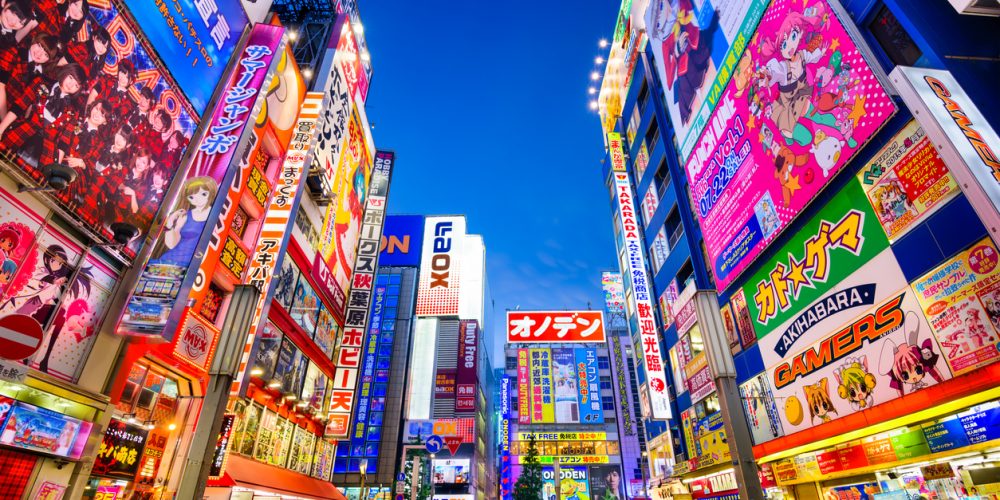
The Japanese capital manages to feel both intimate and vast at the same time. Navigating its diverse neighborhoods requires a mix of curiosity and careful planning. From the neon lights of Shinjuku to the quiet temples of Yanaka, the city rewards those who explore beyond the main tourist paths.
Culinary excellence defines much of the Tokyo experience for modern visitors. The city boasts more Michelin stars than any other place on Earth. However, high-quality meals also exist in humble basement noodle shops and convenience stores. Food enthusiasts can find world-class sushi, ramen, and French pastries within the same city block.
Public transportation in Tokyo sets a global standard for efficiency and cleanliness. Trains run with surgical precision, connecting far-flung districts in mere minutes. New digital payment systems make it easier for international guests to navigate the complex subway network. This ease of movement allows for spontaneous adventures across the metropolitan area.
Urban design in Tokyo recently shifted to include more green spaces and pedestrian-friendly zones. Developers are integrating parks into massive skyscraper complexes to offer residents a breath of fresh air. These elevated gardens provide stunning views of the skyline while muffling the constant hum of traffic below.
Shopping remains a significant draw for visitors looking for unique Japanese craftsmanship. Traditional artisans coexist with high-end fashion boutiques in districts like Ginza and Aoyama. Travelers often seek out specialized stationery, handmade ceramics, and cutting-edge electronics. Many shops now offer tax-free incentives to attract more international spenders.
Accommodation options have expanded to include boutique hotels that emphasize local storytelling. Many new properties feature minimalist designs that reflect Japanese aesthetic values. These spaces often incorporate communal baths and tea rooms to provide an authentic cultural experience. Staying in a neighborhood hotel helps travelers feel like part of the local community.
Nightlife in the city offers everything from tiny jazz bars to massive multi-story clubs. Every district has a distinct personality after the sun sets. Golden Gai provides a nostalgic glimpse into the past with its narrow alleys and small pubs. Meanwhile, Shibuya offers a high-energy atmosphere with its iconic crossing and digital billboards.
Safety and hospitality remain the pillars of the Tokyo travel experience. Locals often go out of their way to assist lost visitors with kindness and patience. The city maintains an incredibly low crime rate, making it ideal for solo travelers and families. This sense of security allows guests to relax and fully immerse themselves in the surroundings.
Tokyo is not just a city; it is a collection of unique villages woven together. Each visit reveals a different layer of its complex identity. Whether you seek spiritual peace or urban excitement, the Japanese capital delivers an unforgettable journey.