Key Points:
- Rail travel is reclaiming its status as the most prestigious way to explore the world, blending “Gilded Age” nostalgia with ultra-modern amenities.
- New mega-suites, such as the whole-carriage L’Observatoire on the Orient Express, offer unprecedented space and artistic design for elite passengers.
- Global operators are expanding into previously inaccessible regions, with luxury routes now crossing Central Asia, the Middle East, and the American West.
Modern travelers are trading private jets for mahogany-paneled railcars as high-end train travel undergoes a massive global renaissance. A new era of “slow travel” has emerged, where the journey itself serves as the primary destination. From the shifting dunes of the Gobi Desert to the lush Italian coastline, opulent locomotives are redefining what it means to travel in style.
The roar of the jet engine is losing its luster for the world’s most affluent explorers. In its place, the rhythmic clack of the tracks is making a triumphant return to the cultural zeitgeist. Luxury train travel has transformed from a niche historical hobby into a dominant force in the high-end tourism market. This shift reflects a growing desire for meaningful, immersive experiences that prioritize the view out the window over the speed of the arrival.
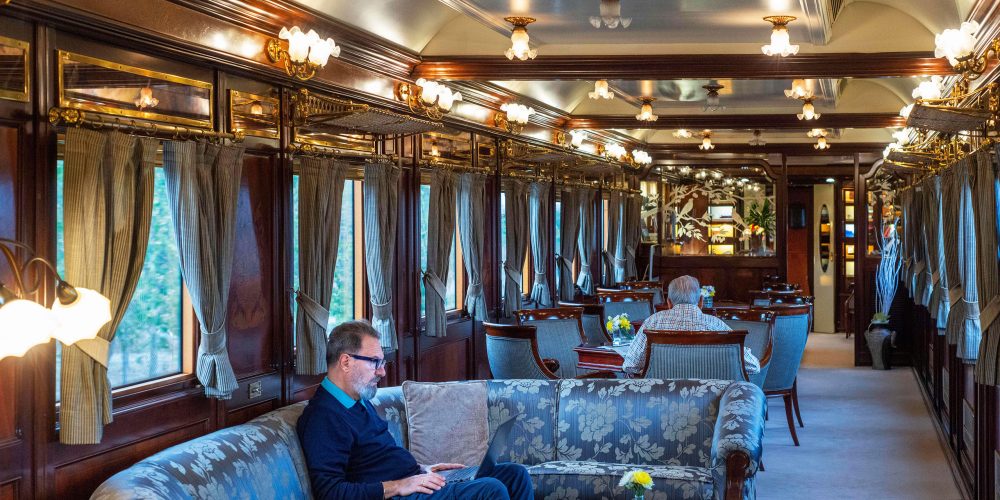
At the heart of this movement is a return to “Christie-style” glamour. Travelers are eager to step into a world of champagne-soaked dinners and white-glove service that mirrors a more genteel era. However, today’s trains are far more than museum pieces. They feature high-speed internet, spa services, and gourmet menus crafted by world-renowned chefs. This fusion of heritage and technology allows passengers to disconnect from the chaos of modern life without sacrificing comfort.
Accommodations are also reaching new heights of extravagance. Operators are no longer content with simple sleeping berths; they are now installing massive, multi-room suites that rival five-star hotels. Some legendary lines have even dedicated entire 75-foot carriages to a single guest. These spaces often feature bespoke artwork, marble bathrooms, and private butler service. For those willing to pay the $50,000 price tag, the train becomes a private, mobile estate.
This renaissance is not limited to Europe’s traditional routes. Saudi Arabia is launching its first “five-star” rail experience, while vintage carriages are being meticulously restored for scenic treks across the American Rocky Mountains. Even the legendary Silk Road is seeing a revival of rail passage, connecting ancient trading posts with plush, dark-wood interiors. These routes offer access to landscapes that remain invisible to those flying at 30,000 feet.
Ultimately, the rise of luxury rail travel signifies a deeper change in our relationship with time. In an age of instant gratification, the ability to slow down has become the ultimate luxury. As we look toward the future of travel, it seems the most sophisticated way forward is to look back at the elegance of the rails.