Key Points
- Airbus raised commercial jetliner deliveries by about 4% in 2025, with 741 aircraft delivered globally.
- Growth was led by strong airline demand for fuel-efficient models, especially the A320 family and wide-body jets.
- Ongoing supply chain and production challenges remain hurdles as the company plans future output expansion.
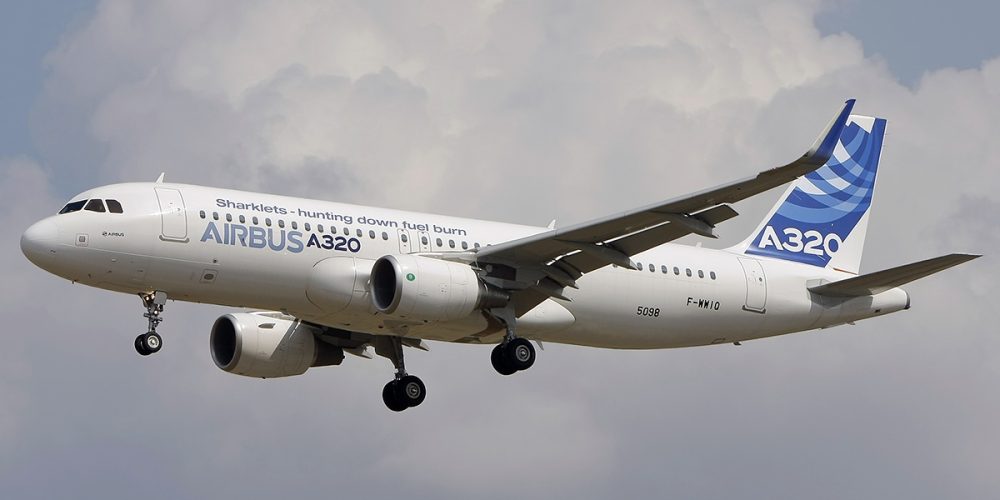
Airbus reported that commercial jetliner deliveries rose about 4% in 2025, reflecting stronger airline demand as carriers rebuild and expand fleets following pandemic era disruptions. The European aircraft maker delivered 741 passenger jets last year, up from 714 in 2024, driven by growth from major customers across North America, Asia and Europe. Airlines have prioritized modern, fuel-efficient models to cut operating costs and emissions, supporting Airbus’s higher output.
The rise in deliveries comes despite ongoing production challenges in the aerospace industry, where supply chain bottlenecks and labour constraints have slowed output. Airbus has worked to streamline manufacturing at sites in France, Germany, Spain and the United States to help meet backlogs and improve delivery predictability.
Airbus Chief Commercial Officer said carriers are showing renewed confidence in long-haul travel and leisure markets, with significant orders for A320 family jets and wide-body models such as the A330neo and A350. Demand for mid-size, fuel-efficient aircraft remains particularly strong, as airlines seek to balance route flexibility with lower emissions.
The U.S. remained a key market for Airbus, with orders from major North American carriers helping lift overall delivery numbers. China also contributed to growth amid easing travel restrictions and rising domestic air travel demand. Markets analysts say that Asia’s rebound underpins future growth opportunities for the commercial aviation sector.
Airbus’s performance follows a broader industry trend where both major plane makers and airlines adjust to evolving travel patterns and environmental targets. Airlines are increasingly focused on modern, next-generation aircraft to support sustainability goals and reduce fuel costs over long-term operations.
Despite the increase in deliveries, Airbus has acknowledged that production rates remain below long-term targets because of lingering supply chain and staffing pressures. Company executives say improving those constraints is critical to meeting future demand and reducing backlogs into the latter half of the decade.
The firm’s 2025 delivery tally included strong contributions from single-aisle aircraft, which accounted for the bulk of output as airlines prioritised these versatile jets for short- and medium-haul routes. Wide-body deliveries also rose modestly, signalling airline intentions to expand international services.
Analysts say that while global economic uncertainties pose risks, the fundamental demand for air travel — particularly leisure and business sectors — supports sustained jetliner purchases through the mid-2020s. Airbus outcomes could shape competitive dynamics with rival Boeing as both manufacturers seek to secure market share amid shifting airline strategies.